

Updated:
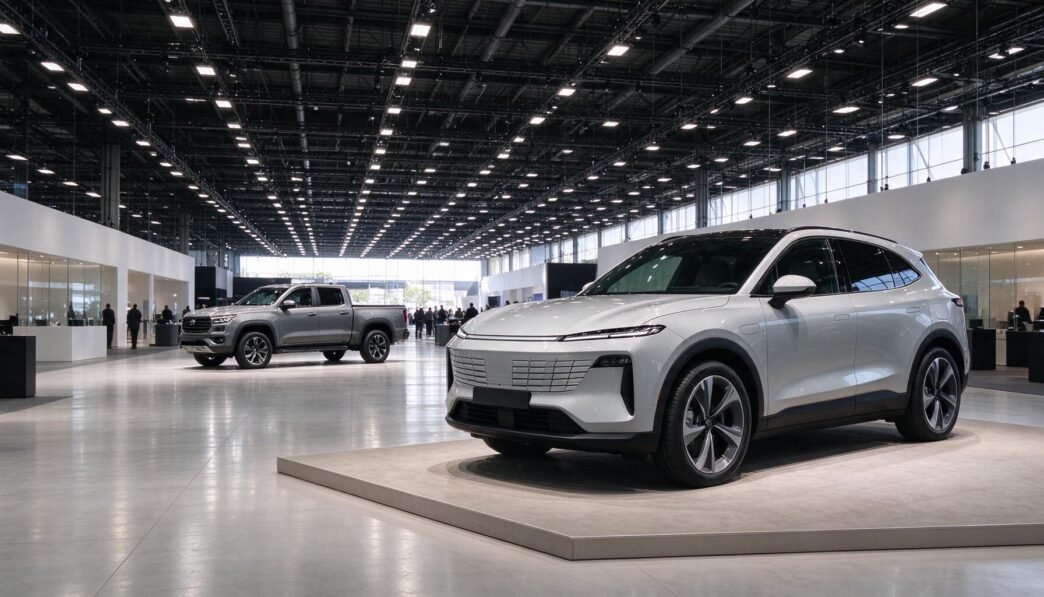
Buenos Aires opened its first Chinese auto show on Friday, October 2, as automakers from China expand in Argentina following a shift toward a more open car market. More than 20 Chinese brands are participating, including Geely, Chery, Great Wall Motor and Dongfeng, according to Reuters.
The event comes as Chinese brands’ share of Argentine sales has climbed sharply, helped by a 2026 measure allowing up to 50,000 electric and hybrid vehicles to enter without tariffs. They accounted for 10% of cars and light commercial vehicles sold in August, compared with about 2% late last year, Reuters reported. The increase is unfolding even as total car sales in Argentina have declined this year.
Three-day exhibition brings brands together
The Expo Auto Chino is being held at BA Ferial in the Costa Salguero complex, with the organizer listing the dates as October 2–4. Its website describes a three-day exhibition featuring vehicle displays and launches, and lists 26 Chinese brands, 13,000 square meters of exhibition space and 20,000 expected visitors. Those visitor figures are projections, not attendance reported after the event.
The show brings together vehicles across several segments, including SUVs, pickups, electric cars and hybrids. For the participating brands, the event offers a shared platform to present products to Argentine consumers as competition among imported vehicles and established manufacturers intensifies. The available reporting did not identify specific new models or sales deals announced at the show.
Tariff exemption supports the influx
The tariff-free allowance for up to 50,000 electric and hybrid vehicles is one factor behind Chinese brands’ expanding presence, Reuters reported. The sales-share figures indicate how quickly the brands have gained ground: their portion of combined car and light commercial vehicle sales rose from roughly 2% late in 2025 to 10% in August 2026.
BYD, which began operating in Argentina in late 2025, has become the country’s ninth-best-selling car brand, according to Reuters. The company also leads electric-car sales in Brazil, Colombia, Ecuador and Uruguay. The report did not provide BYD’s Argentine unit sales or a breakdown of how much of the broader Chinese-brand share came from electric, hybrid or conventional vehicles.
Local manufacturers face pressure to adapt
The arrival of more competitors has sharpened the challenge for Argentina’s domestic auto industry. Sebastian Beato, president of dealers’ association ACARA, told Reuters that growth by Chinese brands had pushed local manufacturers to develop new models. He cited the Renault Niagara pickup, unveiled in September, as one example.
Reuters also reported that the Argentine government said earlier in the week that Toyota Motor would invest $1.34 billion to develop an electric-vehicle plant in the country. The announcement points to a separate response to the sector’s transition, although the report did not give a project timeline, planned production capacity or further details on the investment.
Economist Andres Civetta of consultancy Abeceb said Argentina should focus on pickup trucks, where the country has an established export position and, according to his assessment, does not yet face competition from Chinese brands. Fernando Rodriguez Canedo, executive director of the association of car factories, welcomed the government’s gradual rollback of national export duties and said the industry was also pressing provincial governments to reduce local taxes.
Market contraction complicates the competition
The gains by Chinese brands are happening in a softer overall market. Car sales in Argentina were down 13% in the year to date compared with the same period in 2025, Reuters reported. Industry analysts cited in the report attributed the decline to a market adjustment following strong growth last year, when lower trade barriers helped drive demand, as well as high interest rates that discouraged consumers from financing purchases.
Argentina’s approach contrasts with measures in Brazil and Mexico, which have introduced tariffs aimed at slowing vehicle imports and protecting domestic manufacturing jobs. Reuters reported that President Javier Milei has said he is not concerned by BYD’s growth and rejected suggestions that it would complicate Argentina’s relationship with the United States. The show runs through Sunday, October 4; the available reporting does not establish what further policy steps or industry announcements may follow.