

Updated:
Bayer plans to invest $2.2 billion in a pharmaceutical manufacturing campus in New Albany, Ohio, the German company and state officials announced Friday, October 2. The project is expected to create about 600 permanent jobs and 1,500 construction jobs, and will be Bayer’s first pharmaceutical manufacturing plant in the United States, according to local reporting.
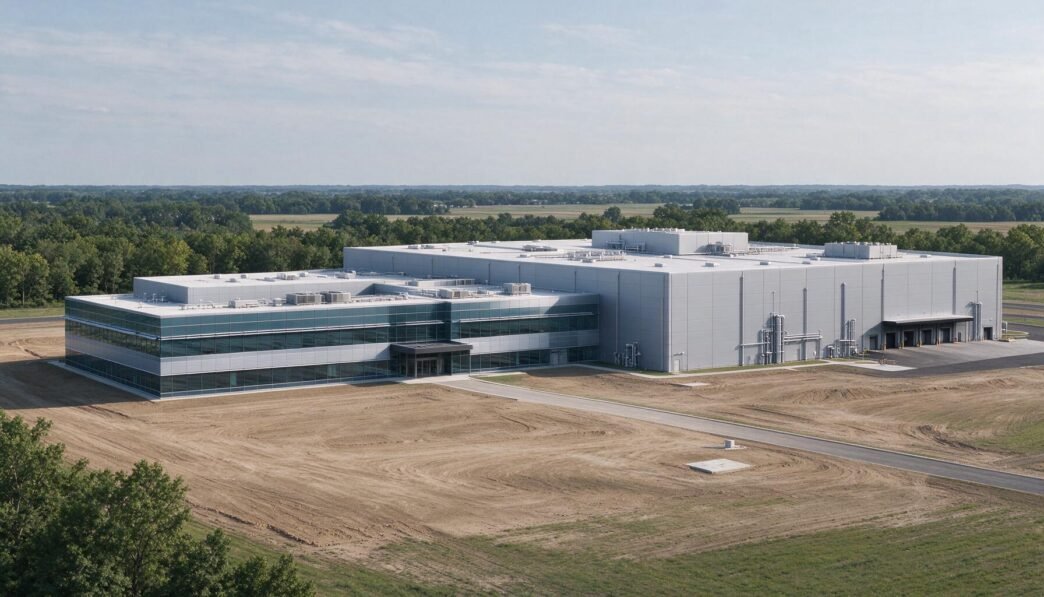
The planned campus will combine production of drug substances—the active ingredients in medicines—with finished drug products. Bayer expects its first module, for drug-substance manufacturing, to become operational in 2031; a second module for finished medicines is planned for 2034. The company says the site will initially support medicines in oncology, cardiovascular and renal care.
The investment extends Bayer’s manufacturing presence in its largest pharmaceutical market as the business seeks to expand U.S. sales and strengthen supply capacity near customers. Bayer said it had spent more than $7 billion on U.S. pharmaceutical research, development and manufacturing over the past five years. The company has not yet publicly detailed a construction timetable beyond reporting that it expects to break ground around mid-2027.
Two production stages planned for the campus
Bayer described the New Albany project as a flexible, modular site equipped with digital and automation technologies. The first stage is intended to manufacture drug substances, while the later module will produce finished medicines. The staged approach means the two parts of the campus have separate expected start dates rather than one opening date for the whole project.
The company has said the facility will support its growing portfolio in cancer, heart and kidney care. Reuters reported that Bayer identified prostate cancer medicine Nubeqa, kidney disease treatment Kerendia and experimental stroke-prevention drug asundexian among products and candidates relevant to its expansion. The company has not disclosed which specific medicines will be made at the Ohio site or their planned production volumes.
Bayer’s announcement describes the investment as part of a longer-term U.S. strategy, not simply a reaction to current policy. In an interview reported by industry publication Fierce Pharma, Sebastian Guth, Bayer Pharmaceuticals’ global chief operating officer and Bayer U.S. president, said the company began scaling its American operations in 2018 and 2019, and presented local manufacturing as a way to build a supply network closer to a major market.
U.S. business has grown in importance
Guth told Reuters that the U.S. share of Bayer’s global pharmaceutical revenue rose to 35% from 20% in 2018. He also said the business aims to double U.S. sales by the end of the decade. Those targets place the factory within a wider effort to grow Bayer’s pharmaceutical operations, although the company has not provided a site-specific sales or financial-return forecast for the investment.
Fierce Pharma reported that Bayer’s annual U.S. research-and-development spending has risen to more than $1.2 billion, from less than $500 million when Guth arrived in the country. Bayer has also described the new plant as a strategic addition to its global product-supply network, saying it should improve the reliability and resilience of supply. The company did not specify how much of the $2.2 billion will be spent in each year or how the project will be financed.
The planned Ohio operation will complement Bayer’s existing U.S. pharmaceutical locations. The company lists its U.S. pharmaceuticals headquarters in Whippany, New Jersey, and sites in Pittsburgh, Berkeley, Cambridge, Research Triangle Park and San Diego. The New Albany facility is therefore an addition to a multi-state footprint, rather than a relocation of the division’s U.S. headquarters.
New Albany’s workforce and life-sciences base
Bayer and JobsOhio cited workforce availability and the region’s academic and life-sciences institutions as factors behind the site choice. Industry reporting said Bayer plans to purchase about 200 acres and selected New Albany after a review of potential locations. JobsOhio said the state’s Ohio Life Science Training Center, under construction in New Albany, is scheduled to open in summer 2027 and is intended to train biomanufacturing operators and technicians.
State officials said the training center is supported by up to $30 million from JobsOhio, with additional contributions from the city, state and New Albany Company. JobsOhio also said the project will pursue an Ohio job-creation tax credit and that Bayer plans to seek JobsOhio assistance. The terms and value of any eventual public support were not settled in the announcement; the state organization said assistance details would be made public after a final agreement.
The business park already includes other life-sciences and manufacturing companies, including Amgen, American Regent and Pharmavite, according to JobsOhio. The development agency presented the area’s research institutions, workforce pipeline and infrastructure as part of its pitch. Those statements come from a state economic-development organization promoting the project, and do not establish the precise financial or employment effects beyond Bayer’s announced job estimates.
Policy backdrop and next milestones
The announcement comes amid heightened attention to pharmaceutical production in the United States, including trade and drug-pricing policy debates. Reuters reported that President Donald Trump has pressed drugmakers on U.S. drug prices and sought higher prices in other developed markets. Fierce Pharma reported that Bayer did not directly connect the Ohio investment to tariffs or a specific policy agreement, and that the company was not among the drugmakers on a reported list of companies with “most favored nation” deals with the White House.
That distinction matters because the project’s stated rationale is broader than a short-term response to one policy change: Bayer and Guth have pointed to U.S. market growth, supply resilience and the company’s long-standing expansion plans. The available reporting does not establish whether policy concerns played any role in the site’s selection or final investment decision, so the project should not be characterized as a confirmed tariff response.
The next stated milestones are the anticipated mid-2027 start of construction, the drug-substance module’s expected 2031 operational date and the finished-product module planned for 2034. The project’s timing, job creation and eventual production remain company and state projections; Bayer has not yet published specific construction phases, product allocations or output capacity for the New Albany campus.