

Updated:
President Donald Trump said Friday, October 2, that the U.S. war with Iran could end shortly after the November midterm elections, while adding that it might conclude sooner. Speaking at a campaign event in Mobile, Alabama, he also predicted oil prices would fall when the conflict ends, but offered no timetable for a settlement or details of negotiations.
The comments came amid continued danger to shipping near the Strait of Hormuz and stalled diplomatic efforts. A vessel was struck while transiting the waterway on Friday, according to CBS News, while Iran’s proposal to reopen the strait remained unresolved. The competing signals—talk of an end to the war alongside a growing U.S. military deployment—leave the timing and terms of any resolution uncertain.
Trump links possible end of war to November vote
Trump had said Thursday in Texas that the United States would win the seven-month conflict “right after the election,” while allowing that it might happen before then. At the Alabama rally the following night, he repeated that the war could end soon after the midterms and argued that Iran would face years of rebuilding even if U.S. forces left immediately.
He said Iran had refused to negotiate and claimed oil prices would tumble when the fighting stopped. Those were the president’s assertions; he did not describe a negotiated agreement, a withdrawal plan or a sequence of steps that would bring hostilities to a close. His remarks therefore set out a political expectation, not a confirmed ceasefire or end date.
Diplomacy remains stalled over Hormuz
Tehran has proposed reopening the Strait of Hormuz under conditions that include ending the U.S. blockade of Iranian ports, releasing frozen Iranian assets and easing restrictions on Iranian oil sales, according to the Associated Press. Trump rejected the proposal on September 26, AP reported, and the key demands remained outstanding in subsequent coverage.
The strait is a focal point of the confrontation because it is a major route for global energy shipments. Iran has asserted control over the waterway, while the United States has maintained a blockade of Iranian ports. Neither side had announced a new agreement by Friday, and the available reports did not establish when or whether indirect talks would resume.
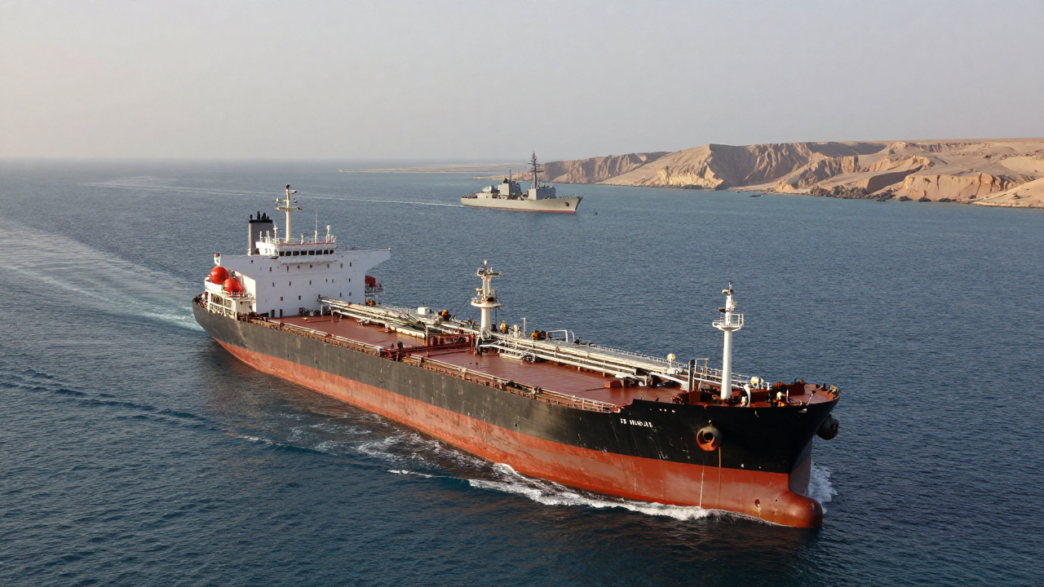
A tanker was hit by an unidentified projectile off Oman, with the U.K. Maritime Trade Operations agency reporting that the crew was safe and an investigation was under way, according to Investing.com. Separately, the Revolutionary Guard was reported by Iraqi News Agency to have claimed Iranian forces had full control of the strait. That claim was not independently verified in the article’s reporting.
U.S. forces are also heading to the region
While Trump spoke of a potentially near-term end, the USS Theodore Roosevelt Carrier Strike Group and the USS Makin Island Amphibious Group were headed to the Middle East, CBS News reported, citing U.S. officials. Their arrival could bring the U.S. presence to three aircraft-carrier groups and about 20,000 personnel in the region; an official told the Associated Press the additional forces could arrive by the end of October.
The deployments underscore that the administration has not publicly tied its military posture to a fixed deadline for ending the war. Axios reported on October 3 that senior Trump administration officials met at Camp David the previous day to discuss Iran and the conflict in Yemen. The White House declined to comment to Axios, which said the meeting took place as negotiations remained stalled and Trump considered next steps.
Energy disruption and regional fighting widen the stakes
Trump’s reference to oil prices comes as governments respond to energy-market disruption linked to the conflict. Investing.com reported that G7 countries had agreed to release as much as 100 million barrels of diesel and crude reserves over four months. The report also said International Energy Agency chief Fatih Birol had described prices as beginning to fall after the decision; that development does not itself resolve the shipping risks around Hormuz.
Fighting in Yemen added to the regional instability. Yemen’s internationally recognized government said its forces carried out 474 attacks against Houthi positions in 24 hours and reported 1,540 fighters killed or wounded, according to Investing.com. The Houthis had not confirmed those casualty figures, so they remain claims by one party to the conflict.
Saudi Arabia’s Civil Defence said debris from an intercepted ballistic missile injured a resident in the Asir region, while another projectile struck a school in Najran without reported casualties, Investing.com said. The Saudi-led coalition also said it intercepted three missiles aimed at Khamis Mushait; the Houthis, in turn, accused Saudi forces of carrying out strikes in Yemen. The reported incidents illustrate how the conflict’s consequences extend beyond U.S.-Iran exchanges.
What remains unknown
The next major political milestone is the U.S. midterm election on November 3, but Trump’s remarks do not make that date a scheduled end to the conflict. No ceasefire terms, negotiating timetable or confirmed plan for reopening the strait had been announced in the reporting available Friday.
For now, the war’s duration, the status of future talks and the restoration of reliable commercial passage through Hormuz remain unresolved. Trump’s prediction of falling oil prices is contingent on an end to the fighting, while the tanker strike and additional U.S. forces bound for the region show that the immediate security picture remains unsettled.