

Updated:
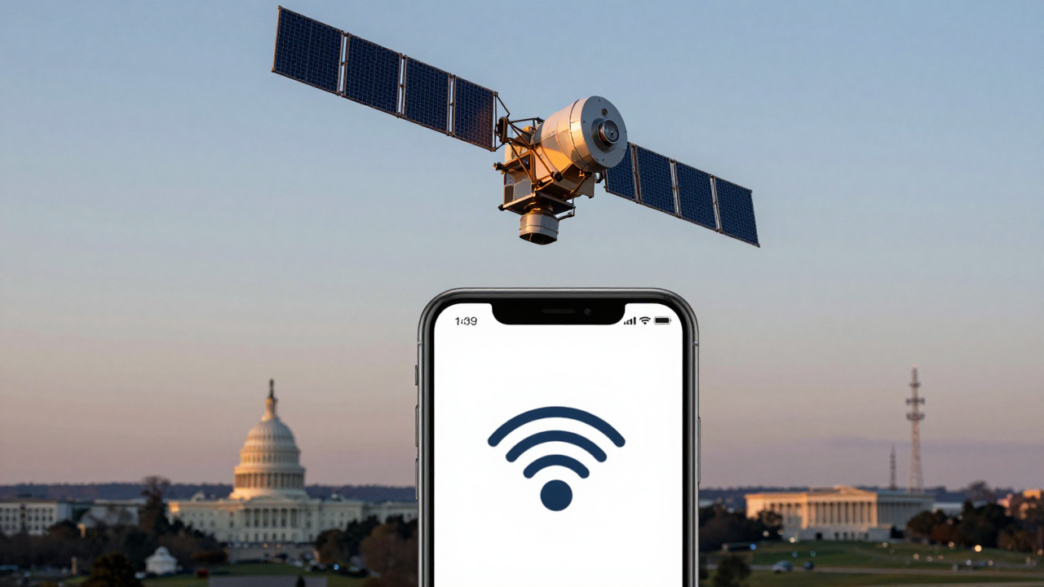
The Federal Communications Commission plans to vote on October 29 on whether to advance a proposed auction of wireless spectrum intended to support direct-to-device satellite services, Reuters reported Wednesday, October 7. The proposal is part of a broader set of measures the agency says could expand connections between satellites and ordinary smartphones, including in areas with limited or no cellular coverage.
The FCC also plans an initial vote on modernizing rules for direct-to-device services and a vote to finalize rules permitting drone operations in the 800 MHz cellular band, according to the agency’s statement to Reuters. The October 29 meeting will determine whether the spectrum-auction proposal moves forward; the report does not say that a sale of licenses would take place on that date.
Proposal includes 25 MHz for direct-to-device use
Under the FCC proposal described by Reuters, the agency would auction 25 megahertz of spectrum for direct-to-device operations and make an additional 482 megahertz available for supplemental coverage from space. The commission would also consider regulatory changes to support more flexible terrestrial, satellite and hybrid arrangements for these services.
The reported figures describe elements the FCC is proposing, not spectrum already auctioned or cleared for immediate use. Reuters did not identify the specific frequency bands, auction format, license terms or expected schedule for a future sale. Those details, along with any changes made during the agency’s proceeding, remain unresolved in the reporting available ahead of the vote.
Satellite links are drawing telecom and space-industry investment
Direct-to-device systems are designed to let smartphones and other consumer devices communicate with satellites, potentially extending connectivity beyond the reach of terrestrial cell towers. SpaceX, Amazon’s Leo and other companies are developing satellite services in the area, Reuters reported. The technology and the proposed rules do not, by themselves, establish when or where a particular service will be commercially available.
The FCC’s wider push comes as satellite operators and mobile carriers explore ways to combine space-based coverage with existing wireless networks. Last week, AT&T, T-Mobile and Verizon named industry veteran Paul Roth interim chief executive of a joint venture intended to expand satellite-enabled mobile coverage, Reuters reported. The announcement signals carrier interest in the sector, but the report did not say that the venture is tied to the proposed 25 MHz auction.
SpaceX has secured spectrum through a separate deal
The auction proposal follows major private-sector transactions involving spectrum that can support satellite-to-phone service. SpaceX acquired 65 megahertz of wireless spectrum from EchoStar through two deals announced last year, for a reported $19.6 billion. That spectrum is separate from the 25 MHz the FCC is proposing to auction.
On October 6, the FCC approved SpaceX’s plan to use the newly acquired spectrum to expand its direct-to-device plans, Reuters reported. The agency had also approved SpaceX’s request in January to deploy another 7,500 second-generation Starlink satellites, which would bring its approved total to 15,000. These regulatory decisions form part of the backdrop to the October vote, but they do not settle the terms or outcome of the proposed auction.
Broader spectrum agenda remains in motion
FCC Chairman Brendan Carr has said a series of wireless spectrum auctions over the next couple of years could generate more than $100 billion in proceeds, according to Reuters. That estimate concerns multiple auctions and is not an announced revenue target for the direct-to-device proposal alone.
The commission has also pursued other spectrum measures for space-based communications. In August, it voted to seek comment on allowing certain unlicensed devices to communicate with satellites on a non-interference basis, according to FCC materials. That proceeding is distinct from the auction proposal: it explores potential rule changes for unlicensed equipment rather than the sale of licensed spectrum.
October 29 vote is the next stated milestone
The FCC’s announced vote is the next concrete step for the auction proposal. If commissioners vote to advance it, further agency work would still be needed before any spectrum could be offered to bidders; Reuters’ report does not specify the subsequent timetable or auction mechanics.
The FCC’s October 29 agenda also includes the separate direct-to-device rules and the 800 MHz drone rules. The agency has framed the satellite proposals as an effort to address cellular dead zones, while the commercial impact will depend on the final rules, spectrum availability and companies’ deployment plans. As of October 7, those outcomes had not been determined.