

Updated:
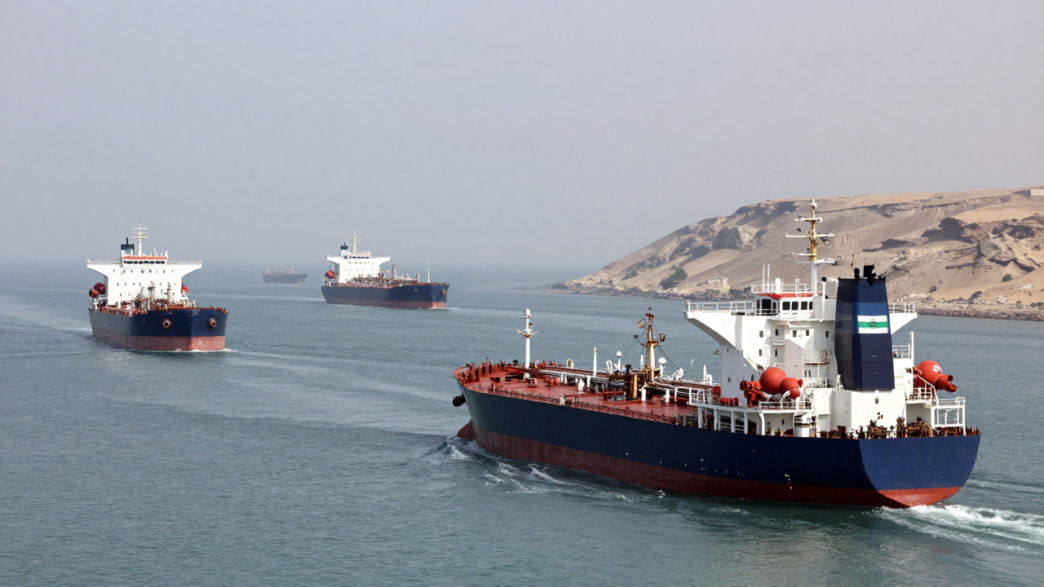
Attacks on tankers around the Strait of Hormuz reached their highest weekly total since the Iran war began, with at least 12 attacks recorded from September 28 to October 5, maritime security sources told Reuters on Wednesday, October 7. The incidents involved oil, liquefied natural gas and liquefied petroleum gas tankers, adding to concerns over commercial shipping through a key Gulf export route.
Separate data compiled by the United Nations’ International Maritime Organization (IMO) recorded nine vessel incidents in the same week. The discrepancy reflects different reporting and verification processes: maritime sources said the IMO generally takes longer to verify and formally record incidents.
The elevated incident count coincided with Gulf oil exporters shipping at above pre-war levels for about half of September, according to shipping data cited by Reuters. But attacks and logistical constraints leave the durability of that export increase uncertain.
At least 12 attacks recorded in one week
Three maritime security sources, analyzing information received from the region, counted at least 12 attacks on oil, LNG and LPG tankers around the strait during the September 28–October 5 period. They said no single week since the war began had seen a higher number.
The nearest comparable week in the IMO’s records was the week of July 13, when the agency logged eight incidents. The different totals should not be treated as identical measures: the sources’ count and the IMO’s official incident data draw on reporting that may differ in coverage and verification timing.
Security concerns extend beyond confirmed strikes
The US Navy-led Joint Maritime Information Center said in a Sunday note that attacks, attempted attacks and harassment continued in the waterway. It cited activity including drone overflights, surveillance and radio hailing by Iran’s Revolutionary Guards.
The JMIC said the actions demonstrated Iran’s intent to maintain a presence along important transit lanes and sustain pressure on vessels passing through them. The center’s description includes a broader range of activity than physical attacks alone, underscoring why incident tallies can vary according to what is counted and when reports are confirmed.
Injuries reported after tanker incident
India’s foreign ministry said Tuesday that 12 crew members were injured after an unknown projectile struck the Panama-flagged oil tanker On Peace as it passed through the Strait of Hormuz. The report did not identify the projectile’s source, and the information available did not establish responsibility for the incident.
The injury report came amid the week of heightened tanker incidents, but the available reporting did not specify whether the On Peace strike was included in each of the maritime sources’ totals. That distinction matters when comparing incident counts compiled by different organizations.
Export push faces security and logistical risks
Shipping data showed Gulf oil exporters exceeded pre-war levels for about half of September. The increase indicates that cargoes were moving in greater volumes at points during the month, even as the reported attacks continued.
Reuters reported that security incidents and logistical constraints cloud the prospect of sustained higher flows. The reporting did not quantify the constraints or provide a forecast for exports, nor did it identify a new security arrangement or timetable for resolving the risks.
The latest figures therefore show two developments occurring at once: Gulf producers had expanded exports during part of September, while tanker operators faced the most concentrated weekly run of attacks reported since the war began. The available reporting does not establish how shipping companies will respond or whether subsequent weekly incident totals will remain elevated.