

Updated:
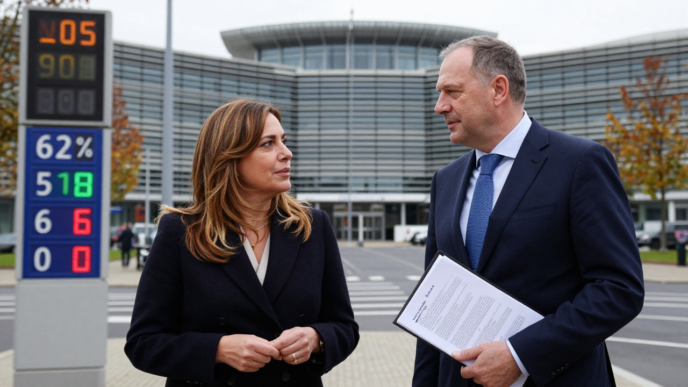
U.S. Representative John Moolenaar called on Starbucks to close its first two stores in China’s Xinjiang region, escalating scrutiny of the coffee chain’s expansion there. Moolenaar, who chairs the House Select Committee on China, made the appeal in a statement published October 1.
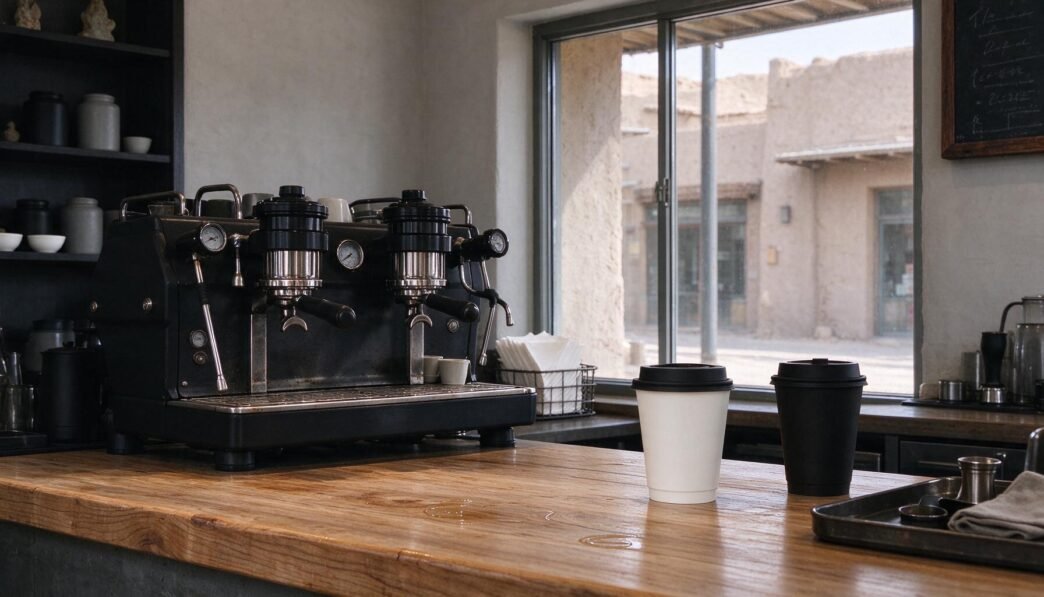
The outlets opened this week in Urumqi, Xinjiang’s capital: one at the city’s Grand Bazaar and another at its international airport. Starbucks said in a post on its official WeChat platform that the locations combined local culture with customer needs. Its China chief executive, Liu Wenjuan, said the company would continue investing in the region.
Dispute over business in Xinjiang
Moolenaar cited allegations of repression against Uyghurs, a mainly Muslim ethnic group, and called on the company to reverse its decision. China rejects widespread allegations of abuses, saying its policies in Xinjiang are intended to combat terrorism, separatism and religious extremism.
Starbucks and China’s Foreign Ministry had not immediately responded to Reuters’ requests for comment. The opening marks Starbucks’ entry into Xinjiang, while the congressman’s demand adds a human-rights dispute to the company’s business activity in the region.
Starbucks’ China retail operations are run through a joint venture in which Boyu Capital holds a 60% stake and Starbucks retains 40%, according to Reuters’ reporting on the venture.