

Updated:
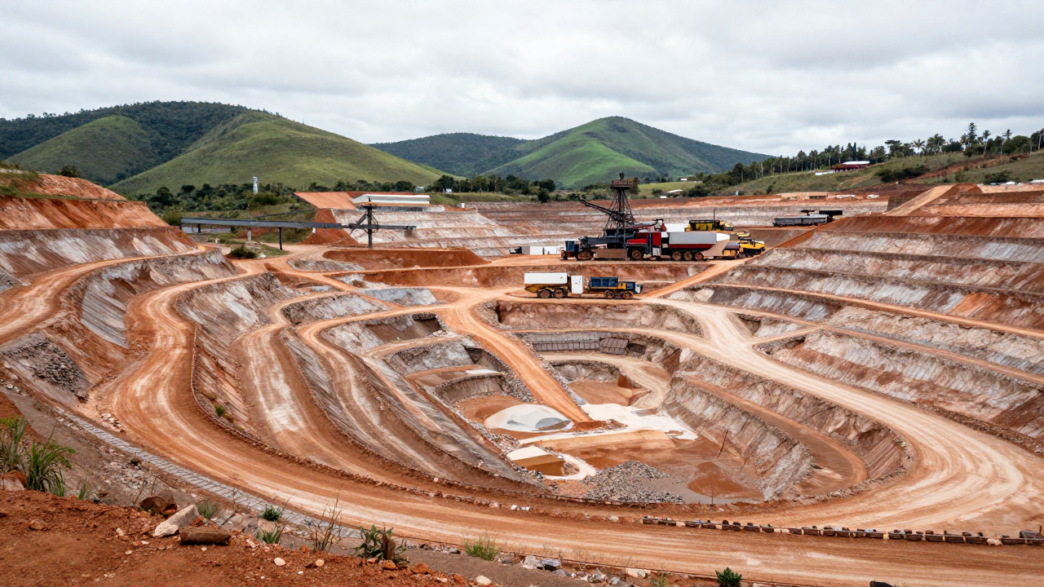
Sigma Lithium shares rose more than 4% in after-hours trading Tuesday, October 6, after a federal appeals court in Brazil allowed several environmental licenses for its Grota do Cirilo project to take effect again. The decision lets the company resume lithium extraction at specified mine areas in Minas Gerais, easing an operational halt that began September 30.
The ruling does not amount to an unrestricted restart of all the company’s activities. Brazilian business newspaper Diário do Comércio reported that the court restored licenses covering the North and South pits and the Barreiro pegmatite project, but left suspended a license for a major processing-plant expansion. It also barred new licenses for expansion while an expert assessment addresses the disputed distance between the mine and a Quilombola community.
Court decision lifts part of the shutdown
Senior Federal Judge Mônica Sifuentes granted Sigma’s emergency request for suspensive relief, according to Investing.com’s October 6 report. That relief reversed the immediate effect of a lower federal court’s September 8 order suspending environmental licenses. The appeals decision cited the potential economic harm of a prolonged stoppage in the Vale do Jequitinhonha region.
Diário do Comércio’s account specifies the limits of the order: mining may restart under three restored licenses, while the permit that would raise processing capacity remains suspended. The state government and environmental agency may continue administrative review and oversight, but cannot grant licenses for expanded production, new mining fronts or a larger affected area until the dispute is clarified.
Sigma had announced on October 1 that mining and industrial production had stopped on September 30, after the Minas Gerais environmental authority, Feam, notified the company of the license suspension. The company said at the time that it would continue commercial and recycling operations, while postponing its 12-month production guidance by three months.
Dispute centers on community consultation and impact
The case stems from a civil action brought by Ngolo, a federation representing Quilombola communities in Minas Gerais. Quilombolas are traditional communities descended from Africans who escaped slavery, and their territories are protected under Brazilian law. The lawsuit alleges that Sigma’s project could affect the Baú community and that required impact procedures and free, prior and informed consultation were not carried out.
Reuters reported in September that the original judge found sufficient evidence to treat the Baú territory as within the project’s area of influence, citing studies that put it about 2.7 kilometers from the area directly affected by the project. The judge ordered an independent georeferencing review. Sigma has disputed the claimed distance and argued that the project is outside the relevant impact zone.
The company’s October 1 statement also contested the basis for the injunction, saying its mine was beyond the applicable legal distance and that the required community recognition documents postdated the initial licensing process. Those are Sigma’s arguments, not findings established by the latest appeal ruling. The current court action restores certain permits while leaving the distance and licensing questions unresolved.
Expansion permit remains a key constraint
The distinction between existing extraction licenses and the expansion permit matters for Sigma’s stated production plans. The company has said it aims to reach annualized output of 330,000 tonnes of lithium oxide concentrate by the end of 2027, using its existing Mine 1 and processing capacity. Investing.com reported that Sigma reaffirmed that target after the appeals decision.
However, the processing license at issue would have increased the plant’s capacity from 1.5 million to 5.2 million tonnes of ore annually, according to Diário do Comércio. The court’s decision keeps that permit suspended pending further examination, so it does not authorize the proposed capacity increase. Sigma’s public production target and the suspended expansion license are separate matters; the immediate ruling restores limited operations rather than settling the expansion’s future.
Economic effects and next steps
Sigma has said its activities support about 19,000 direct and indirect jobs and benefit roughly 80,000 people across 12 municipalities in the Vale do Jequitinhonha. The appeals judge cited the possible regional economic cost of a prolonged shutdown, but the company’s employment figures come from its own disclosures.
The next step identified in local reporting is an expert assessment to establish the distance between the operation and the Baú community’s territory. Until that issue is resolved, restrictions on new or expanded licenses remain in place. Diário do Comércio said it had sought comment from Sigma about the court decision and the practical details of restarting operations but had not received a response when its report was published.
The ruling therefore removes the immediate barrier to extraction at specified existing areas, while leaving both community-impact questions and the larger processing expansion unresolved. Sigma’s shares reacted to the prospect of resumed mining, but the decision itself is narrower than a full clearance of the project’s licenses.