


Updated:
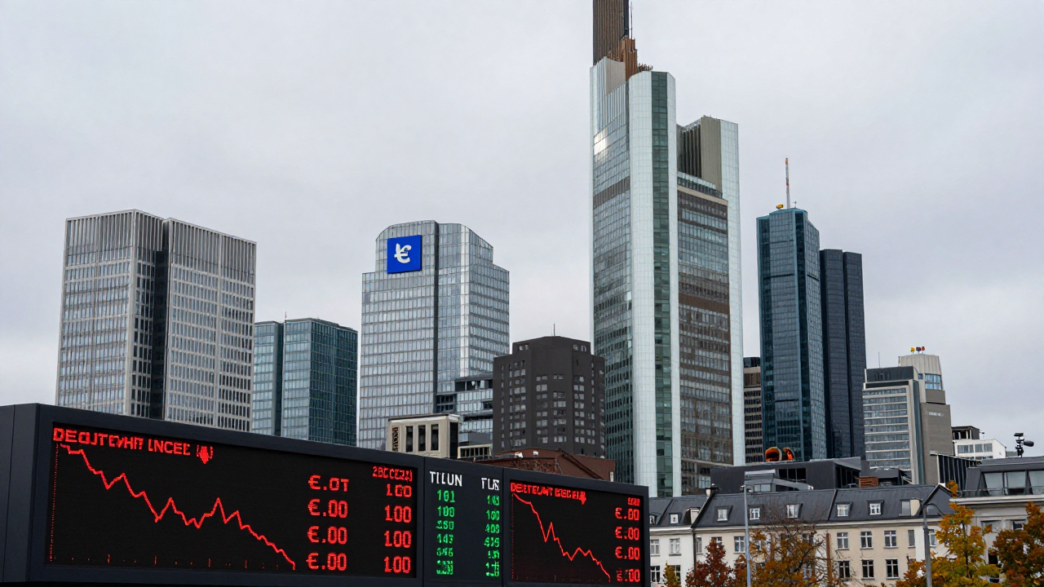
Deutsche Bank shares fell sharply on Wednesday, October 7, as a renewed bond selloff and rising oil prices pressured European bank stocks, while investors continued to weigh a cautious outlook for the lender’s investment-banking business. Investing.com reported the shares down 5.5% at €29.69 during the session, after touching €29.64, compared with an opening price of €31.01.
The decline came amid broad weakness across the European banking sector, not just Deutsche Bank. Reuters reported that the STOXX Europe Banks index was down 3.5%, with Deutsche Bank among several major lenders losing more than 4%. The bank’s next quarterly results are scheduled for October 28, leaving investors waiting for fresh figures on how its businesses performed.
Bond-market pressure hits banks across Europe
Reuters attributed the sector’s selloff to falling bond prices, higher yields and rising oil prices, which revived concerns that inflation could accelerate. Higher yields and widening sovereign-bond spreads have unsettled markets, while worries about France’s fiscal position have raised concerns about potential spillovers elsewhere in the euro area.
Market participants cited by Reuters also pointed to the possibility that losses on banks’ sovereign-debt holdings and concerns about housing-related exposures were adding to the pressure. The report said yields in more heavily indebted euro-area countries rose faster than those on safer German debt. Those developments formed part of the market backdrop for Deutsche Bank’s fall; they do not, on their own, establish a new company-specific loss or deterioration in the bank’s financial position.
Earlier revenue warning remains an overhang
Investors are also assessing a warning made by Deutsche Bank Chief Financial Officer Raja Akram at a Bank of America conference in late September. According to Investing.com’s account, Akram said third-quarter investment-banking revenue was likely to be flat or slightly lower than a year earlier. The outlook was conditional on business activity in the remaining days of the quarter.
The guidance focused attention on a key source of uncertainty ahead of the results. A weaker investment-banking contribution could weigh on quarterly performance, but the forecast does not describe the outcome for Deutsche Bank’s other businesses. Investing.com reported that the bank’s shares had lost roughly 12.5% of their market value since late September, extending the retreat on Wednesday.
Analyst ratings have not halted the decline
Investing.com reported that JPMorgan reaffirmed its Overweight rating and €41 price target on October 6. Warburg Research issued a Buy rating with a €41.50 target on October 7, according to the same report, arguing that private-banking and corporate-banking growth could offset a softer investment-banking environment.
Those ratings represent analysts’ assessments, not confirmed forecasts of the bank’s results or the share price. Despite the positive recommendations, the stock declined, with market attention focused on the revenue outlook and the wider pressure on bank shares. Neither rating prevented the day’s losses.
October 28 results are the next scheduled update
Deutsche Bank’s third-quarter results, due October 28, are the next scheduled company update identified in the reporting. They should provide reported figures against the cautious investment-banking outlook, alongside results from the bank’s other divisions. Until then, the available reports do not establish the precise contribution of each factor to Wednesday’s share-price move.
The session’s losses therefore reflected two overlapping concerns: an unfavorable market environment for European banks and an existing question about investment-banking revenue. Reuters’ account of the sector-wide decline provides context for the move, while the September conference comments and approaching results remain specific to investors’ assessment of Deutsche Bank.