

Updated:
U.S. stock futures edged lower early Monday, October 5, as investors weighed renewed fighting around Yemen’s Bab el-Mandeb Strait against signs that more oil was reaching markets and plans by G7 countries to release emergency supplies. The conflict is widening the risks to energy shipping, even as those added supplies helped push crude prices down in early trading.
Saudi-backed Yemeni government forces launched an offensive against Iran-aligned Houthi forces over the weekend, seeking to reverse the group’s advances near a critical Red Sea shipping route. Separately, Iran said it would not reopen the Strait of Hormuz until the United States met conditions Tehran linked to a ceasefire. OpenAI chief executive Sam Altman also drew attention with remarks arguing that society should accept some harmful outcomes from AI in return for the technology’s benefits.
Futures reflect a cautious start
At 2:58 a.m. Eastern time, Dow futures were down 33 points, or 0.1%. S&P 500 futures had fallen 9 points, or 0.1%, while Nasdaq 100 futures were 24 points, or 0.1%, lower. The moves followed gains on Wall Street at the end of the previous week, supported in part by softer economic data and comments from Federal Reserve officials that increased expectations the central bank would leave rates unchanged at its October meeting.
The competing signals left investors monitoring both borrowing costs and energy inflation. Analysts at Vital Knowledge, cited by Investing.com, said that easing market pressure had not changed the broader backdrop of elevated financing costs and upside risks to energy prices.
Yemen fighting puts Bab el-Mandeb in focus
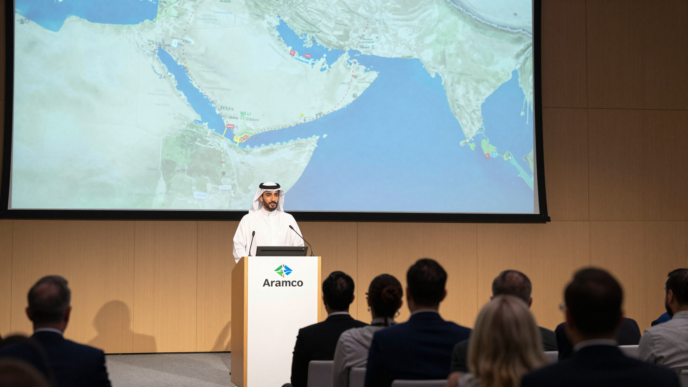
Yemen’s Saudi-backed, internationally recognized government announced a military campaign to recapture territory held by the Houthis. The Associated Press reported that a government-allied group said it had begun an operation in the Bab el-Mandeb area. The waterway links the Red Sea to the Gulf of Aden, making control of its surrounding coastline strategically important to commercial shipping.
The campaign follows Houthi advances that have brought the group into a position to threaten or influence traffic through the chokepoint. The Houthis also control Sanaa and other populated areas in northwestern Yemen. Associated Press reporting described the current fighting as part of Yemen’s civil war, which began in 2014 when Houthi forces seized the capital and the government was driven into exile.
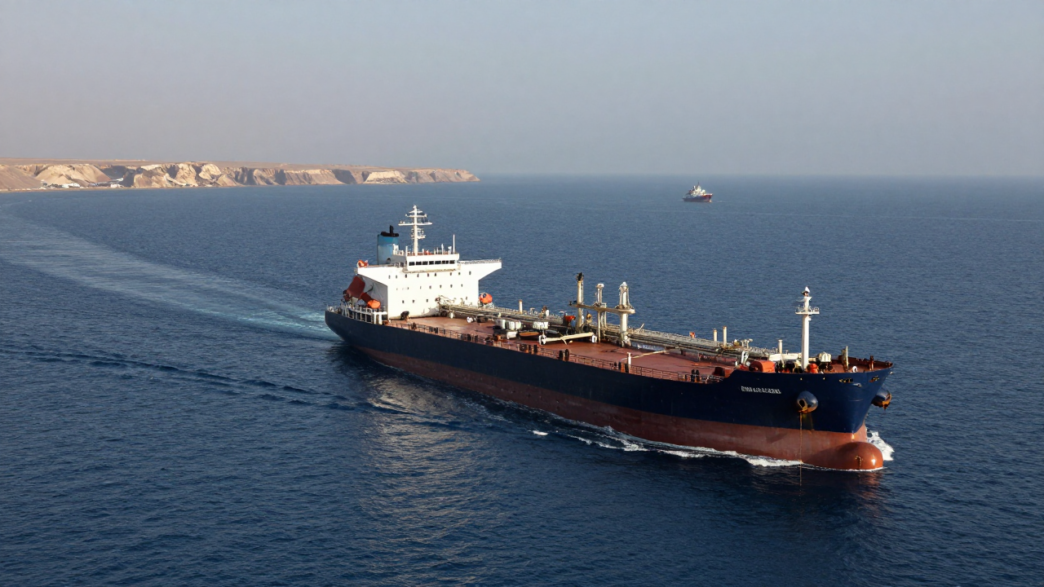
The Bab el-Mandeb concern comes on top of the disruption at Hormuz, where Iran has restricted maritime traffic amid its conflict with the United States and Israel. Before that conflict, about one-fifth of global oil and liquefied natural gas passed through Hormuz, according to Investing.com’s account. The degree to which either waterway will remain accessible to commercial vessels is uncertain.
Oil falls despite security risks
Brent crude futures fell 0.8% to $101.50 a barrel and U.S. West Texas Intermediate dropped 1.3% to $89.90 by 3:32 a.m. Eastern time, according to Investing.com. The declines came as market supply expectations improved, rather than because the security threats had disappeared.
Reuters shipping data cited by Investing.com showed Middle Eastern oil exports exceeded prewar levels on four of the seven days in the final week of September, despite risks to vessels transiting Hormuz. The G7 agreed late last week to release 100 million barrels of crude and diesel from emergency reserves and said it would refrain from imposing energy-export restrictions. The planned release is intended to add supply while the conflict continues to disrupt the outlook.
OPEC+ separately agreed on Sunday to keep its November output targets unchanged. The Associated Press reported that the decision came as the Iran war had pushed Brent above $100 a barrel. Investing.com noted that actual production among OPEC+ members remained below their quotas, limiting how much additional supply the group was delivering.
Iran’s conditions and diplomacy remain unresolved
Iranian officials said Sunday that the country would not reopen Hormuz before the United States met seven conditions set out in an interim agreement in June. Iran’s parliament speaker said Tehran’s position was firm and criticized Washington’s approach to negotiations, according to Investing.com.
Tehran reportedly offered at the United Nations General Assembly in September to restore normal maritime passage within seven days if its conditions were met. The United States responded through Qatari mediators last week, but the content of that response has not been made public. No agreement or timetable for reopening the strait was confirmed in the reporting available Monday.
Altman sets out OpenAI’s regulatory stance
In an interview with Politico, OpenAI CEO Sam Altman argued that potential benefits from artificial intelligence justified accepting that the technology could also be misused or cause harm. He said he favored a lighter-touch regulatory approach than that advocated by rival Anthropic, whose CEO, Dario Amodei, has called for stronger government oversight of AI development, according to Investing.com.
Altman’s remarks place the disagreement between the companies in the broader debate over how to balance access to AI with safeguards against risks such as hacking, scams and misuse. The interview did not announce a policy change or a scheduled regulatory action. Investors and technology companies will continue to face uncertainty over how governments respond as the sector expands.