

Updated:
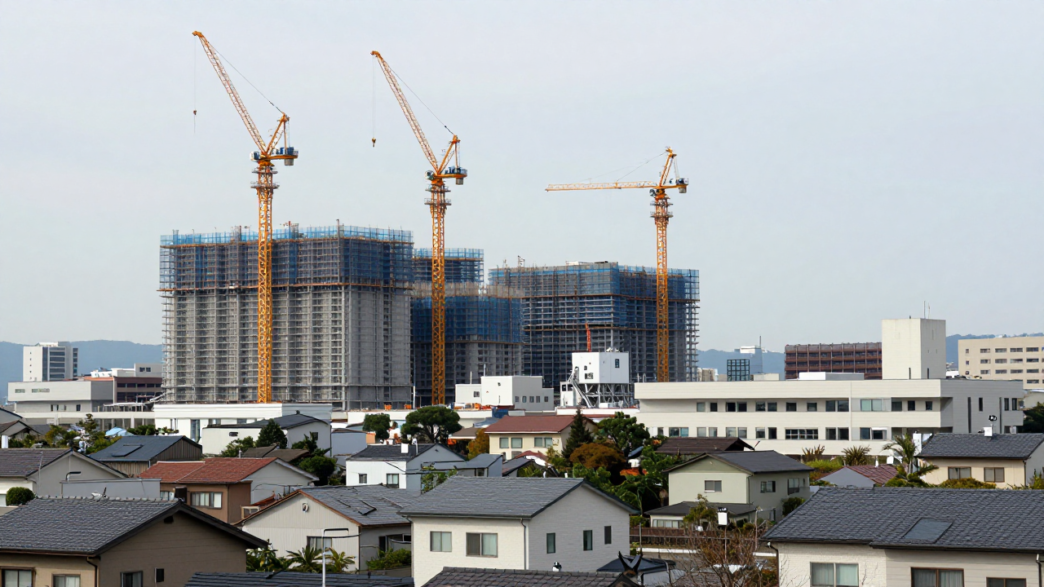
Goodman Group is facing growing opposition from residents near its data centre construction site in Tsukuba, Japan, where a planned campus could ultimately reach 1 gigawatt of capacity. The dispute intensified after the Australian property company began work on the project’s first 50-megawatt phase, with residents saying they had not been adequately informed about the development’s scale or given a meaningful public forum to raise concerns.
The controversy comes days after Goodman abandoned a proposed data centre development in Sydney following local resistance. The Tsukuba project is a much larger undertaking: Reuters reported an estimated investment of about 3 trillion yen, or roughly $20 billion, if the campus reaches its planned full capacity. The dispute highlights the community-engagement challenge facing developers as demand for digital infrastructure drives large projects into populated areas.
A major campus beside homes and care facilities
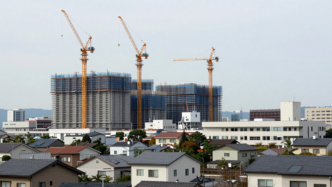
The project is being built on a 45-hectare site in the Oho district of Tsukuba, about 50 kilometres northeast of Tokyo. The neighbourhood has a population of about 20,000, and the site is adjacent to a residential block, a hospital and a nursing home, according to Reuters.
Goodman began construction this year on the initial 50-megawatt phase. The company’s longer-term plan is for a campus with eventual capacity of 1 gigawatt, which would make it one of Japan’s largest data centre developments. The reported 3 trillion yen investment estimate relates to that eventual scale, not solely to the construction now under way.
The physical works became a visible sign of the project’s scale when large cranes appeared at the site in February. Residents told Reuters that they had had little understanding of the development’s scope before then, and some questioned how the project had been described during earlier planning.
Residents seek a public meeting
Hiroyuki Yanagimachi, who formed a residents’ group, said project documents in 2023 had described the site as a logistics warehouse before the term “data centre” appeared later. That account has contributed to local suspicion, though the reporting does not establish that Goodman misrepresented the project or violated planning rules.
Yanagimachi said the group gathered about 800 signatures calling for a public town hall and sent two letters to Goodman requesting an open information session. The group had not received a response to those requests at the time of Reuters’ report. If discussions do not take place, it is considering protests at the construction site and outside Goodman’s Tokyo office.
Goodman said its door remained open to meeting the head of the residents’ association and that it intended to hold an information meeting. The company said the format would be decided after consultation with municipal authorities, indicating that a further meeting was planned but that its timing and arrangements were not yet settled.
August sessions did not settle concerns
Goodman held its first information sessions with Tsukuba residents in August, about six months after construction began. A few dozen residents attended over two evenings at a local restaurant. The meetings were invitation-only and included a multi-course meal, according to four attendees cited by Reuters.
One participant said the event felt more like a hospitality gathering than an opportunity for substantive discussion and left her more distrustful. The response illustrates the gap between holding an information session and addressing residents’ requests for an open forum, although the company says it is committed to engagement.
Goodman said it had exceeded legal requirements and applicable guidelines, and said it would continue engaging openly and respectfully with residents. The report did not detail the specific legal requirements or explain how Goodman assessed compliance, and it did not report a project suspension or a change to the construction schedule.
Industry guidance stresses two-way consultation
The Japan Data Center Council, an industry group that includes Goodman, published guidance in May emphasizing consultation with communities. The guidance says operators should treat engagement as a forum for discussion and mutual understanding, rather than as a one-way presentation, Reuters reported.
The Tsukuba dispute is unfolding as foreign developers, including Goodman, Singapore-based GLP and London-based Colt Data Centre Services, compete to build data centre capacity in Japan. Reuters described development in densely populated neighbourhoods as a point of friction, where residents may feel they have little influence over proposals.
For now, construction of the first phase is under way, while the broader campus remains a longer-term plan. The next concrete step identified by Goodman is an information meeting to be arranged in consultation with municipal authorities; the company has not publicly set a date in the reported account, and residents’ plans for protests depend on whether talks materialize.