

Updated:
Lithuania plans to ask the European Union to prohibit Russian grain shipments using European ports and transport infrastructure, Prime Minister Mindaugas Sinkevicius said Thursday, October 8. Vilnius also intends to seek sanctions against Russian agricultural-sector figures it says support the war in Ukraine. The announcement is a proposal, not an EU-wide ban already in force.
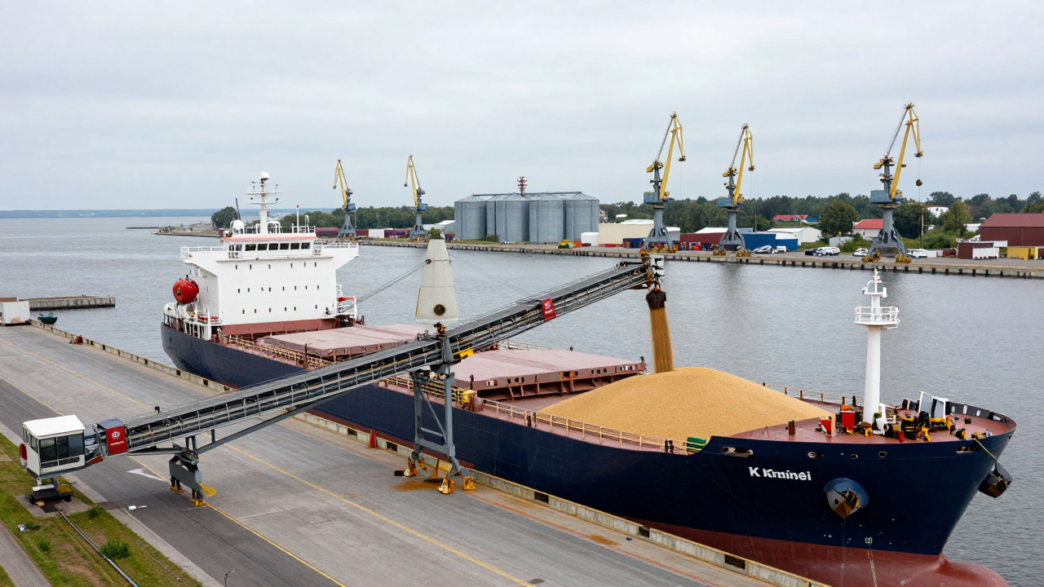
Sinkevicius framed the initiative as a response to what he described as a disparity: Russia is using European infrastructure to export grain while Ukrainian agricultural exports face disruption from Russian attacks on ports and shipping. Lithuania says the issue requires an EU-level response, while it is separately tightening checks on grain moving through its own territory.
Lithuania seeks a bloc-wide measure
In a social media post cited by the Kyiv Independent and Investing.com, Sinkevicius said Lithuania would propose both a transit ban and the addition of certain Russian agricultural oligarchs to EU sanctions lists. He said he had discussed the matter several times with Latvia’s prime minister and argued that solutions were needed across the bloc.
The proposal would address Russian grain transiting through European ports and infrastructure, rather than only grain entering Lithuania for domestic sale. The reporting available on Thursday did not specify the proposed measure’s legal design, which EU institutions would receive it first, or when Lithuania would formally submit it.
Transit and grain-origin checks
Sinkevicius said Lithuania had ordered stricter controls on grain origin to prevent grain stolen from Ukraine—or grain mixed with other grain—from being transported through the country. The measure is a national step described by the prime minister; it is distinct from the broader EU transit ban Lithuania plans to propose.
The Kyiv Independent also reported that Lithuanian authorities were checking whether companies involved in grain exports had breached other existing sanctions or had links to oligarchs who openly support and finance Russia’s war. The available reports did not identify specific companies, individuals under investigation, inspection volumes or enforcement results.
Food trade and sanctions policy
Sinkevicius said Russian food products had continued to move through European infrastructure because EU sanctions do not generally apply to food products. His call would therefore extend the debate from restrictions on imports and sanctioned entities to the transit services and infrastructure used for Russian grain exports.
That approach has not been presented as settled EU policy. The Kyiv Independent reported that EU sanctions envoy David O’Sullivan had previously said the bloc had not pursued sanctions on agricultural goods because they did not, in his view, meaningfully affect Russia’s war effort. He also described a reduction in EU-Russia trade, while saying total economic decoupling was not necessarily the objective of EU sanctions.
Baltic coordination and next steps
Investing.com reported that Baltic states were working to stop Russian grain shipments through their ports, following increased transit after Ukrainian attacks on Black Sea ports. It said Estonia announced a ban the previous week, though the report did not provide the measure’s detailed scope or implementation terms. Lithuania’s stated plan is to seek a measure at EU level, while Sinkevicius has also indicated discussions with Latvia.
No timetable for a formal Lithuanian submission, EU debate or decision was reported on October 8. The proposal’s scope, the individuals who might face sanctions and the positions of other member states remain unknown. For now, the verified steps are Lithuania’s announcement, its stricter grain-origin checks and its stated intention to pursue a bloc-wide transit ban and targeted sanctions.