

Updated:
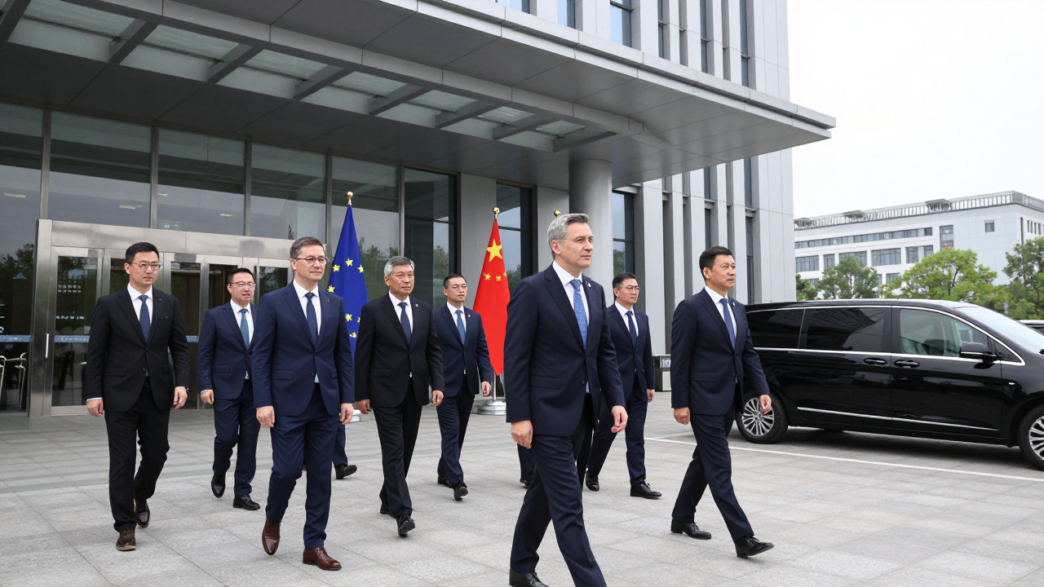
European Union trade commissioner Maroš Šefčovič began two days of talks in Beijing on October 8, seeking progress on the bloc’s trade imbalance with China and concerns about surging imports, including cars. The meetings with Chinese officials come as Brussels presses for improved access to China’s market and more predictable supplies of critical materials, while warning that the dispute could deepen into a trade conflict.
Šefčovič described the EU’s goods trade deficit with China as unsustainable. European figures put the gap at about €360 billion in 2025—roughly €1 billion a day. Brussels says the imbalance reflects, in part, rising Chinese exports and obstacles facing European businesses in China; Beijing rejects protectionist restrictions and says disputes should be addressed through dialogue.
Cars are one of several pressure points
European officials have raised concerns about imports in strategically important industries, with vehicles among the most politically sensitive. The EU is seeking ways to manage rapid growth in imports, including through voluntary limits on some Chinese hybrid-car exports. Beijing opposes import quotas, leaving the two sides without an evident agreement on that proposal as the meetings begin.
The debate extends beyond cars. EU priorities include addressing import surges in other sectors, increasing European companies’ access to Chinese customers and improving licensing arrangements for rare earths and other critical materials. Those inputs are important to manufacturing supply chains, and restrictions or delays could affect European producers.
Brussels attributes pressure on European industries to practices including state subsidies and dumping, allegations China disputes. The RSS summary says the EU blames Chinese exports for tens of thousands of manufacturing job losses, but contemporaneous reporting reviewed for this article does not independently establish that specific figure or a direct causal link.
Negotiations began in June
The Beijing meetings follow negotiations launched in June through a new EU-China trade and investment consultation process. The sides’ work has covered trade and investment, export controls, intellectual property and reform of the World Trade Organization. Šefčovič had called for tangible results by October, putting the talks under pressure to show progress even if they do not resolve the wider relationship.
On the first day, Šefčovič said he had heard directly from EU businesses operating in China. Their concerns, as he described them, included access to the Chinese market and economic security. The stated agenda also includes expanding European exports to China and securing clearer procedures for exports of critical raw materials.
Both sides warn against escalation
China’s foreign ministry said Beijing wanted to address concerns through dialogue and consultation, while its commerce ministry warned against protectionist measures. China has also rejected the EU’s push for import limits. The competing positions underline the challenge facing negotiators: Brussels wants visible movement on market access and trade flows, while Beijing says restrictive measures would harm economic cooperation.
The EU’s dependence on some Chinese materials adds another risk to a dispute centered on imports. European businesses need dependable access to rare earths and permanent magnets, while China’s export controls have prompted Brussels to seek clearer licensing arrangements. The trade discussions therefore connect the car debate with broader questions about supply-chain resilience and industrial policy.
Next steps remain uncertain
Analysts quoted in contemporaneous reporting cautioned against expecting a broad settlement from the two-day meetings, suggesting that any progress could be limited to specific issues. No agreement on vehicle export limits or a wider trade package had been announced in the reporting available on October 8.
The EU is also preparing possible responses if negotiations fail to ease its concerns. France and Germany have urged the bloc to strengthen its ability to respond to economic pressure, while China has threatened to counter measures it considers discriminatory. EU leaders are expected to discuss relations with China at a summit the following week, making the outcome of Šefčovič’s visit an immediate test of whether dialogue can produce concrete steps—or whether the dispute moves toward tougher trade action.