

Updated:
US companies are heading into the July-September reporting season with analysts expecting another quarter of strong profit growth, as heavy investment in artificial intelligence supports technology earnings and the S&P 500 trades at record levels. FactSet estimated on October 2 that S&P 500 earnings would grow 29.5% year over year, following two quarters of growth above 25%.
The forecast arrives amid higher borrowing costs, elevated energy prices and inflation concerns. The benchmark index closed at a record 7,818.93 on Tuesday, October 6, after gaining 0.6%, according to the Associated Press. Investors will be looking for company results and guidance to confirm that profits can sustain the market’s rise.
Estimates climbed during the quarter
FactSet’s October 2 estimate was higher than its 26.7% projection at the start of the quarter. Earnings-per-share forecasts increased 1.4% between June 30 and September 30, against a five-year average quarterly decline of 2.2%, the research firm said.
Corporate guidance was also more positive than usual. Of 116 S&P 500 companies that had issued third-quarter earnings-per-share guidance, 72 gave positive guidance and 44 negative. The 72 positive forecasts exceeded FactSet’s five-year average of 42 and its ten-year average of 40.
FactSet forecast growth across all 11 S&P 500 sectors, with five expected to post double-digit gains. Information technology, communication services, energy and materials were among the sectors leading expected growth. Revenue was forecast to rise 12.3%, up from a 10.9% estimate at the quarter’s outset.
AI investment supports profits, but raises questions
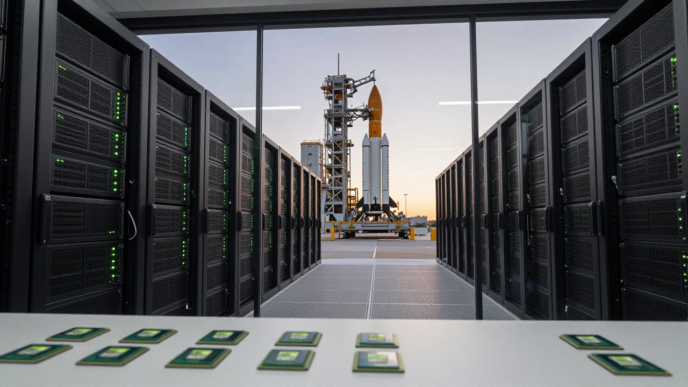
Spending on AI infrastructure has become a major channel for earnings growth, benefiting chipmakers, technology-hardware suppliers and companies supplying power and industrial equipment. Goldman Sachs Research said in September that nearly half of S&P 500 earnings-per-share growth in 2026 was attributable to AI investment and estimated that the largest US hyperscalers would spend $800 billion on capital expenditure this year.
That spending is not itself proof that the investment will generate lasting returns. Goldman Sachs noted that the boost to suppliers and other businesses could moderate as capital-spending growth slows, while depreciation charges on equipment continue to rise. Whether customers adopt AI services widely and companies convert them into durable revenue or productivity gains remains a key uncertainty.
JPMorgan Asset Management’s August review of second-quarter results also cautioned that index-level growth was concentrated. It said a small group of companies accounted for much of the expected earnings increase, with AI and energy particularly influential. The firm highlighted that the gains flowing to semiconductor companies did not necessarily translate into broad market outperformance.
Record stocks face a demanding test
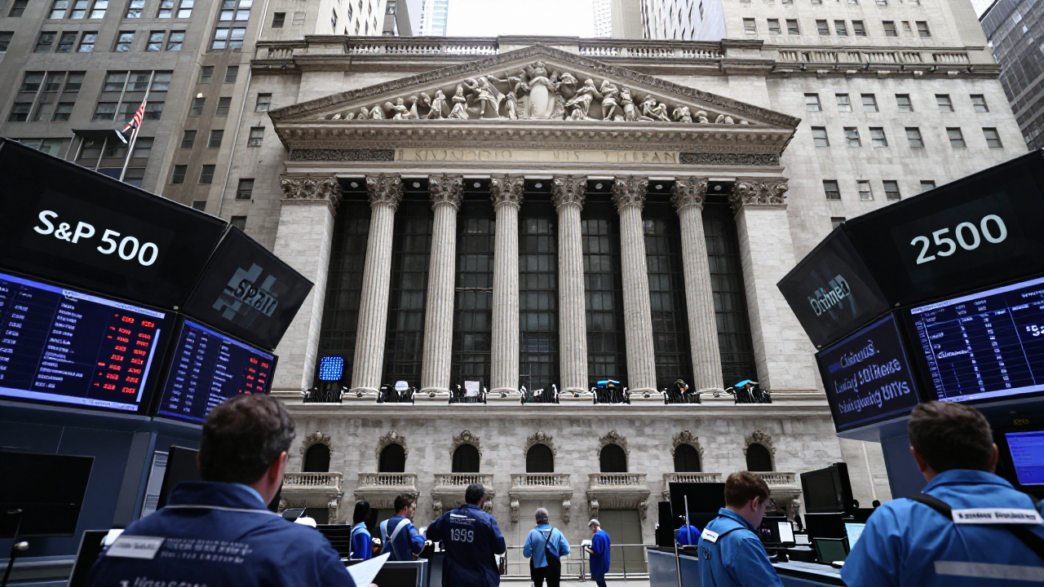
On October 6, the S&P 500 ended at 7,818.93, above its previous record set in August, while the Dow Jones Industrial Average rose 0.5% to 51,521.28 and the Nasdaq Composite gained 0.4% to 27,599.79, the AP reported. The gains came despite worries about inflation and elevated bond-market yields.
The yield on the 10-year US Treasury eased to 5.28% on Tuesday from 5.31% late Monday, according to AP, but remained a significant financing cost for businesses and households. Higher rates can weigh on borrowing and valuations even as robust profits support share prices.
Market strategist Ng Jing Wen of Mizuho Bank, in commentary cited by AP, said the rally reflected investor confidence that corporate earnings, particularly in technology and AI-related industries, could withstand elevated energy costs and restrictive interest rates. That confidence will be tested as results arrive and management teams explain demand, costs and future spending plans.
Results begin with airlines and banks
The first reports will offer an early, though incomplete, view of corporate conditions. AP reported that Delta Air Lines was scheduled to publish third-quarter results on Friday, October 9, with several major US banks due to report the following week.
FactSet’s forecast is an aggregate estimate, not a guarantee of actual results, and the final growth rate will depend on reported earnings and subsequent revisions. A central issue for investors will be whether strong performance extends beyond a small set of AI-linked companies and whether management commentary supports current expectations. If results disappoint against the elevated forecasts, the record levels reached by US stocks could face renewed pressure.