

Updated:
Democratic lawmakers from northeastern states urged Energy Secretary Chris Wright to address rising home heating oil costs, saying prices had climbed about 60% since the Iran conflict began and could add roughly $600 to household bills this winter. The appeal, led by Massachusetts Senator Elizabeth Warren in a letter dated Monday, October 5, puts a regional fuel-cost concern before the administration as the November midterm elections approach.
The lawmakers attributed the increase to the conflict and related administration policies, pointing to the closure of the Strait of Hormuz, low fuel inventories and strong exports. The Department of Energy had not immediately responded to a request for comment, according to Reuters’ October 6 report. The letter’s claims about the causes and estimated household impact are the lawmakers’ assessments, not independently established findings.
Heating oil exposure is concentrated in the Northeast
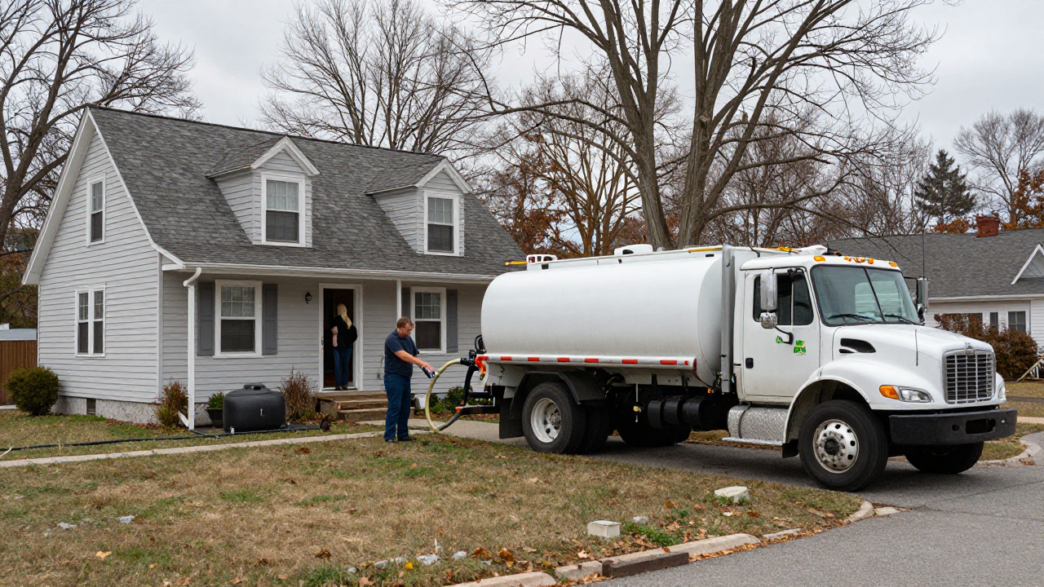
Heating oil remains especially important in New England, where about one-third of homes use it, Reuters reported; in some states, the share is around one-half. That regional concentration leaves many households more exposed to changes in petroleum prices than homes heated with other fuels.
The fuel is tied to diesel because both are produced from the same refining stream. As Reuters explained, tight supplies and higher diesel prices can also push heating oil costs upward, linking household heating bills to broader fuel demand and refinery output.
A September forecast reported by CBS News offered additional context on the potential winter burden. The National Energy Assistance Directors Association estimated heating-oil households could spend nearly $2,300 over the four-month period from mid-November 2026 to mid-March 2027, more than 30% above the prior year. That estimate is a forecast and differs in scope from the lawmakers’ roughly $600 estimate of additional costs.
Administration measures target fuel availability
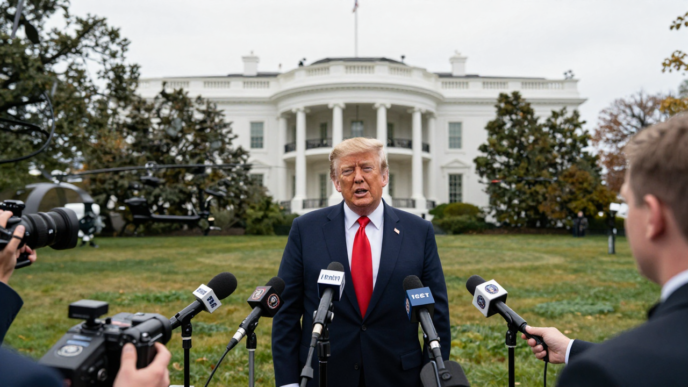
The lawmakers’ letter comes as the administration pursues several supply-related steps. President Donald Trump signed an executive order on Monday expanding access to tax-exempt, red-dyed diesel, allowing purchases without federal highway taxes regardless of the fuel’s intended use, Reuters reported.
The administration has also pressed European allies to release emergency diesel stocks and raised the possibility of restricting U.S. diesel exports. G7 countries agreed last week to release 100 million barrels of crude oil and diesel from reserves. Those measures concern wider fuel supply and do not, by themselves, establish how much or how quickly heating oil prices might change.
U.S. diesel prices have risen above $6 per gallon, according to Reuters, and the administration has been seeking to increase supplies ahead of winter. Diesel is also a key fuel for agriculture and trucking, so the price surge extends beyond home heating to sectors that move goods and produce food.
Lawmakers seek a broader policy response
In addition to calling for an end to the Iran conflict, the Democrats asked Wright to restore energy assistance and reverse cuts to clean-energy programs and grid upgrades. Their requests combine immediate household relief with longer-term energy investment, though the reporting did not specify a proposed funding amount, implementation timetable or administration commitment.
The letter adds to political pressure over energy costs ahead of the November elections. In Maine, Republican Senator Susan Collins is facing a competitive reelection campaign, while New Hampshire’s open Senate contest is considered a toss-up between Democrat Chris Pappas and Republican John Sununu, Reuters reported, citing nonpartisan election analysts.
Collins and independent Senator Angus King, who caucuses with Democrats, have separately asked Trump to release fuel from the Northeast Home Heating Oil Reserve. Reuters reported the reserve holds about 1 million barrels and has not been used since Hurricane Sandy in 2012. The lawmakers’ request to Wright is distinct from that call to tap the reserve.
Price relief and timing remain uncertain
The available reports did not establish whether the Energy Department will adopt the Democrats’ proposals or whether any supply measures will reduce heating-oil bills before colder weather arrives. Nor did they provide a government estimate confirming the letter’s roughly $600 projected increase. The department had not immediately commented on the letter, leaving its response and any next steps unclear.
For households, the central near-term issue is whether fuel availability and prices improve before the main heating season. Regional reliance on heating oil, its link to diesel markets and uncertainty around the conflict all leave winter costs exposed to changing supply conditions, while the policy requests remain under consideration.