

Updated:
The UK Trade Remedies Authority has proposed anti-dumping duties of up to 63.66% on imports of rutile titanium dioxide from China, citing a sharp rise in shipments and what it describes as an imminent threat to domestic producers. The recommendation, published on Wednesday, October 7, is preliminary: interested parties have until October 26 to comment before the authority makes a final recommendation to the business secretary.
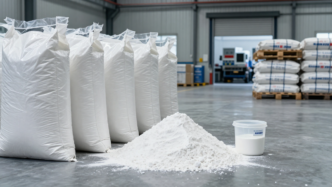
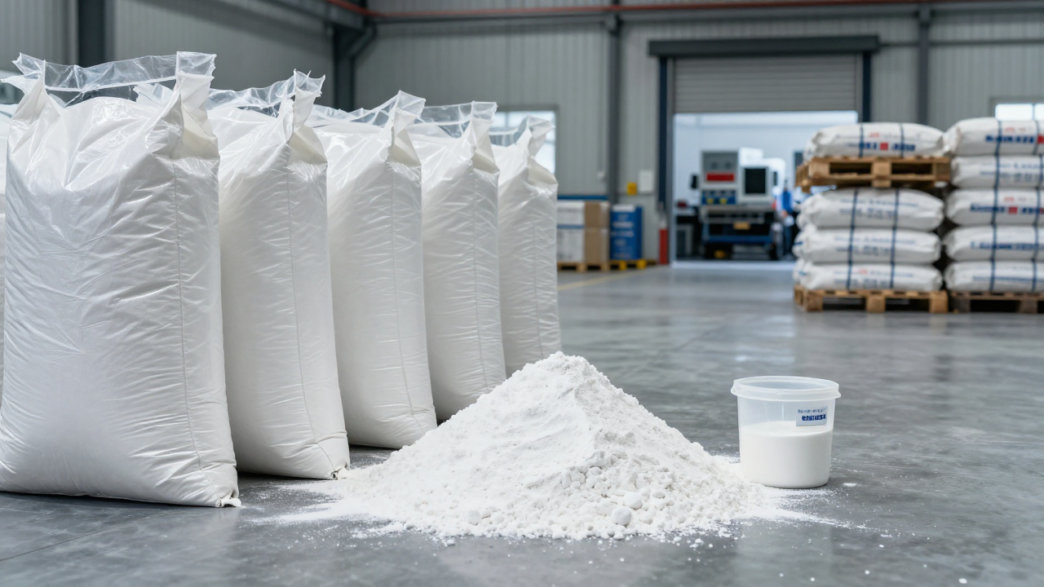
The proposed five-year measure would apply a mixed duty, combining a percentage of the goods’ value with a minimum charge per kilogram. The proposal concerns rutile titanium dioxide, a white pigment used in coatings, plastics, paper and other products; it does not establish that the duties are already in force.
Two proposed duty levels
For cooperating exporters, whether sampled during the investigation or not, the TRA proposed a rate of 48.29% of the import value, subject to a minimum of £0.665 per kilogram. For all other overseas exporters, it proposed 63.66%, with a minimum of £0.876 per kilogram.
Under the mixed structure, the applicable amount depends on which calculation—the percentage-based charge or the per-kilogram minimum—generates more tariff revenue. The agency said it chose the format to make the measure more effective. The rates remain recommendations pending the consultation and subsequent decision-making process.
Imports climbed sharply during the investigation
The TRA said the volume of Chinese titanium dioxide imported in May 2026 was more than 299% of the volume in May 2025. It warned that the upward trend was likely to continue if no trade remedy were imposed. Its investigation assessed the period from January 1 through December 31, 2025.
The authority attributed the import increase and risk to UK producers largely to expanded Chinese production capacity and trade restrictions on titanium dioxide in other markets, including the European Union, Brazil, India and Saudi Arabia. In the TRA’s assessment, measures in those jurisdictions have limited access to those markets and increased the appeal of destinations such as the UK, where the proposed measure is not yet in place.
Investigation began in March
The TRA opened its anti-dumping investigation on March 3, 2026, following an application alleging that Chinese rutile titanium dioxide was being sold in the UK at dumped prices and harming domestic industry. At that stage, the authority said it would assess both whether dumping was occurring and whether it was injuring UK producers.
On March 27, HM Revenue & Customs began registering imports covered by the investigation. Registration is not itself a duty, but the government notice said that if a definitive remedy is later imposed, charges may be payable retrospectively for a specified period before any provisional remedy. The registration covers rutile titanium dioxide meeting the notice’s product definition; other forms, including anatase and brookite, are excluded.
Producers and downstream users await next steps
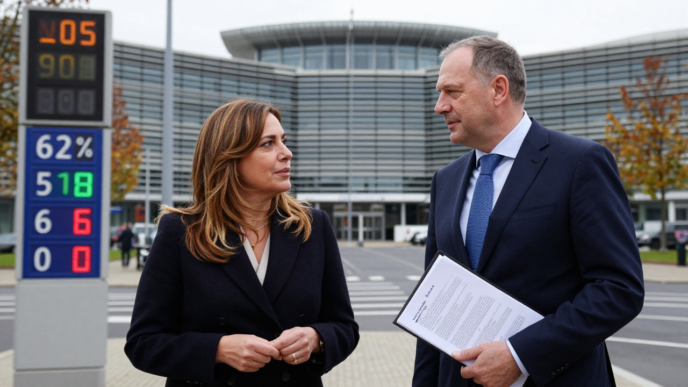
TRA Chief Executives Jessica Blakely and Carmen Suarez said the investigation found a real and immediate threat to the UK titanium dioxide production industry. The authority said the sector employs more than 570 people and supplies hundreds of downstream UK businesses. Those users include industries that rely on the pigment for brightness, opacity and durability in finished materials.
The published announcement did not provide a response from Chinese exporters or UK importers, nor did it quantify potential price effects for downstream buyers. Those questions may be raised during the consultation, but the available findings do not establish how individual businesses would be affected if duties were ultimately adopted.
Interested parties may submit comments through the TRA’s Trade Remedies Service by October 26. After considering the initial findings and responses, the authority will send its final recommendation to the Secretary of State for Business, Innovation, Science and Trade. The announcement did not specify a date for that recommendation or a decision, so the timing and final terms of any measure remain unsettled.