

Updated:
President Donald Trump said on Friday, October 2, that the United States would not ban diesel exports, backing away from a measure his administration had recently said was under consideration. His announcement followed an agreement by Group of Seven countries to coordinate the release of 100 million barrels of crude oil and petroleum products from emergency reserves, with diesel releases front-loaded.
The move came as fuel prices climbed amid disruptions linked to the Iran war and pressure on the U.S. administration to ease costs for households and diesel-dependent businesses. The G7 said the coordinated release would begin immediately, with a substantial amount of diesel due within 20 days and the broader release continuing over four months. It did not specify how much each country would contribute or how the total would be divided among diesel, crude and other products.
Export-ban threat gives way to G7 agreement
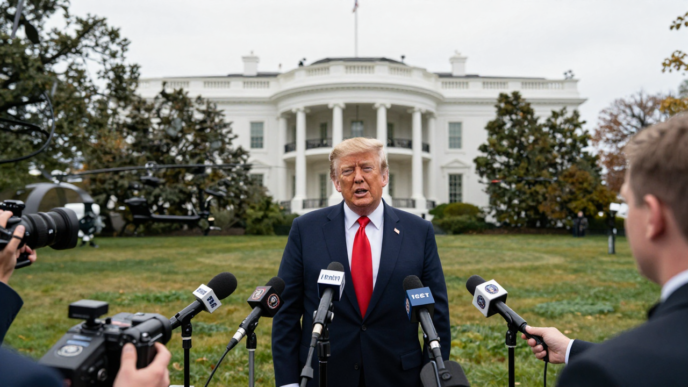
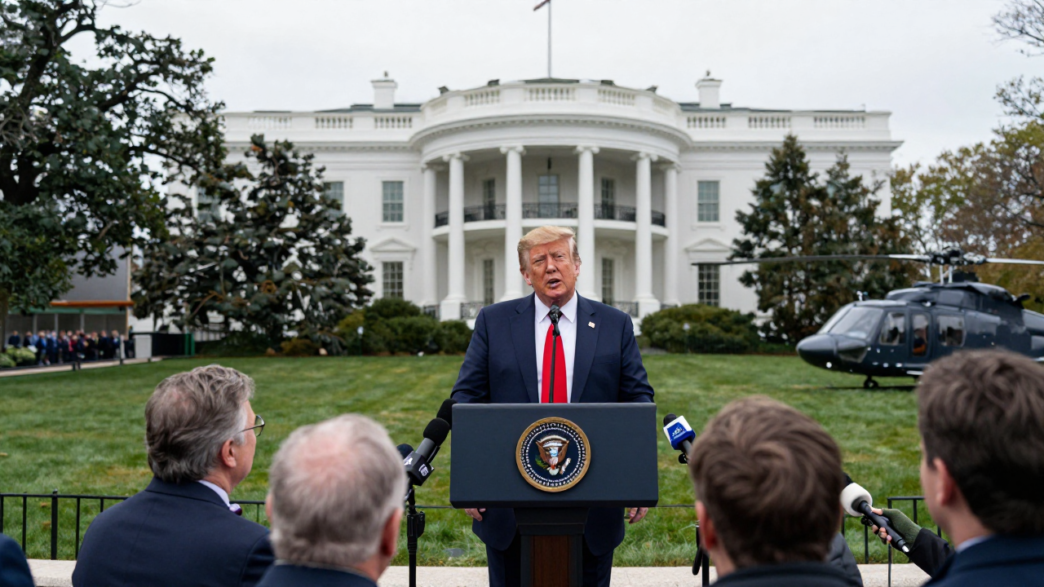
Trump told reporters at the White House that the United States would not impose a diesel export ban. He said it had never really been on the table, although Reuters reported that he had publicly supported the idea or described it as under consideration in the preceding weeks.
The administration had pressed European governments to release diesel from their emergency stocks, warning that the United States could restrict exports if they did not act. Europe has relied more heavily on American diesel as the Iran war disrupted supplies from Gulf producers. A U.S. ban could therefore have reduced shipments to overseas buyers at a time when they were already facing tight fuel markets.
In its statement, the G7 committed members to refrain from restricting energy exports to one another and urged producers more broadly to avoid bans that could worsen market tensions. The statement did not name Trump or set out an enforcement mechanism. Energy Aspects analysts, cited by Reuters, characterized the pledge as political rather than a binding guarantee against restrictions.
Release timing and volumes remain partly unclear
The G7 said the coordinated release through the International Energy Agency would total 100 million barrels, taking account of commitments already fulfilled. It scheduled an immediate start, a substantial diesel release within the first 20 days by G7 members and partners, and further releases over four months.
However, the announcement left important implementation details unresolved. The joint statement did not list participating countries, provide a breakdown by product, or clarify how much of the 100 million barrels was new supply rather than part of an earlier commitment. Reuters reported that IEA Executive Director Fatih Birol had said members had released about two-thirds of a 400-million-barrel agreement announced in March.
France had proposed that European countries release 50 million barrels of diesel and IEA members release another 50 million barrels of crude, according to sources familiar with discussions cited by Reuters. The final G7 statement did not confirm that precise division. Its wording instead left room for IEA members to discuss possible additional diesel releases in the coming days.
Fuel-market pressures and price response
The emergency action follows a sharp rise in fuel costs. The Associated Press reported that the U.S. average diesel price was $6.37 a gallon on Friday, after reaching a record $6.52 on September 22. Higher diesel costs affect trucking, farming, construction and other operations that depend on fuel for transport and machinery.
Supply pressures extend beyond crude oil. The Iran war has disrupted refined-product shipments from Persian Gulf producers, while Russia has restricted fuel exports amid damage to its refineries, according to AP. China’s decision to suspend oil-product exports for October, reported by Reuters, added another constraint on available supply.
Market prices moved lower after the reserve-release agreement was reported, though the effect varied. Reuters reported that U.S. diesel futures fell 3.25% to $4.49 a gallon and European diesel futures dropped about $83 per metric ton, or 5.75%. In the broader oil market, Brent crude settled down 6 cents at $102.25 a barrel, while U.S. West Texas Intermediate fell $1.76, or 1.9%, to $91.11.
Questions over the impact and next steps
Releasing stocks may add supply to the market, but the eventual effect on prices will depend on the timing and composition of shipments and on whether disruptions persist. AP cited an energy policy researcher who estimated that additional European diesel supplies could reduce U.S. exports and potentially lower domestic prices by 25 to 50 cents per gallon after several weeks. That estimate was an outside assessment, not a government forecast or guaranteed outcome.
The drawdown also reduces the amount of fuel held in reserve for future disruptions. A Rice University energy research fellow told AP that countries would eventually need to replenish depleted stocks, and that the timing and cost of doing so were uncertain. The G7 statement did not set out a timetable for rebuilding reserves.
For now, the scheduled next steps are the initial diesel release within 20 days and further coordinated releases over the following four months. G7 members said they would meet through the IEA in the coming days to discuss whether additional diesel releases were needed. Until governments provide country-level plans and product totals, the precise scale of new diesel supply—and its lasting effect on prices—remains unknown.