

Updated:
President Donald Trump threatened on Friday, October 2, to double tariffs on South Korean goods if Seoul does not soon agree to invest in the proposed Alaska LNG project. The warning followed South Korea’s public insistence that its participation in the $54 billion venture has not been finalized and would depend on a commercial viability review.
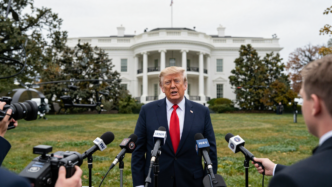
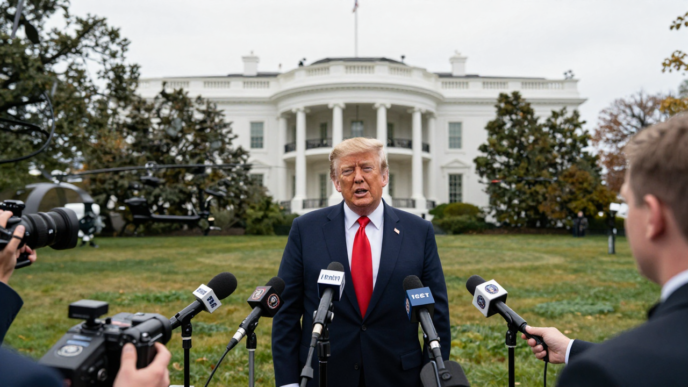
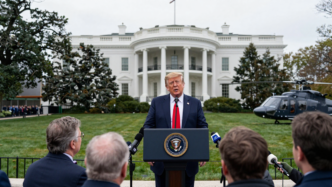
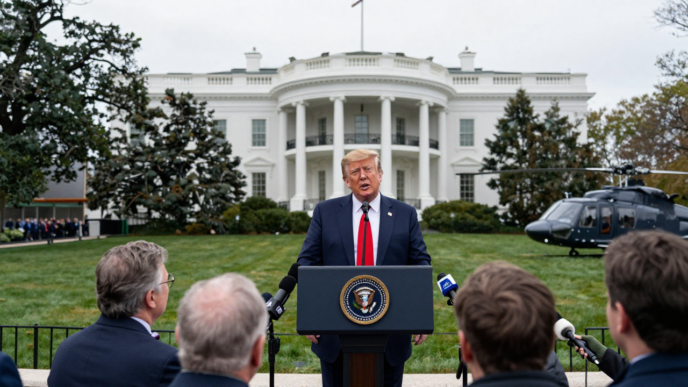
Trump made the comments to reporters outside the White House as he left for a campaign event in Alabama. Reuters and South Korean news agency Yonhap reported that he tied a possible tariff increase to whether South Korea signs on to the project. His remarks intensify pressure on a U.S. ally while leaving unresolved whether the proposed investment will proceed.
Seoul says the investment is not settled
The dispute follows Trump’s September 30 announcement that South Korea would contribute about $54 billion toward Alaska LNG as part of a broader U.S. investment package. South Korean officials pushed back the next day, saying the project had not received final approval and would be assessed under domestic procedures, including commercial viability.
South Korea’s trade and industry minister, Kim Jung-kwan, said commercial rationale must be a prerequisite for the country’s U.S. investments, according to Korean reporting. The distinction is important: Trump presented a specific investment amount as part of a deal, while Seoul’s public position was that participation remained under review.
Reuters reported that the $54 billion proposal is linked to South Korea’s wider pledge of $350 billion in U.S. strategic investment under a trade agreement reached last year. The two governments have been working to identify projects for that package. Reuters reporting has identified Alaska LNG, nuclear power and a Texas gas-fired power project among the areas under discussion.
A large project with financing still to secure
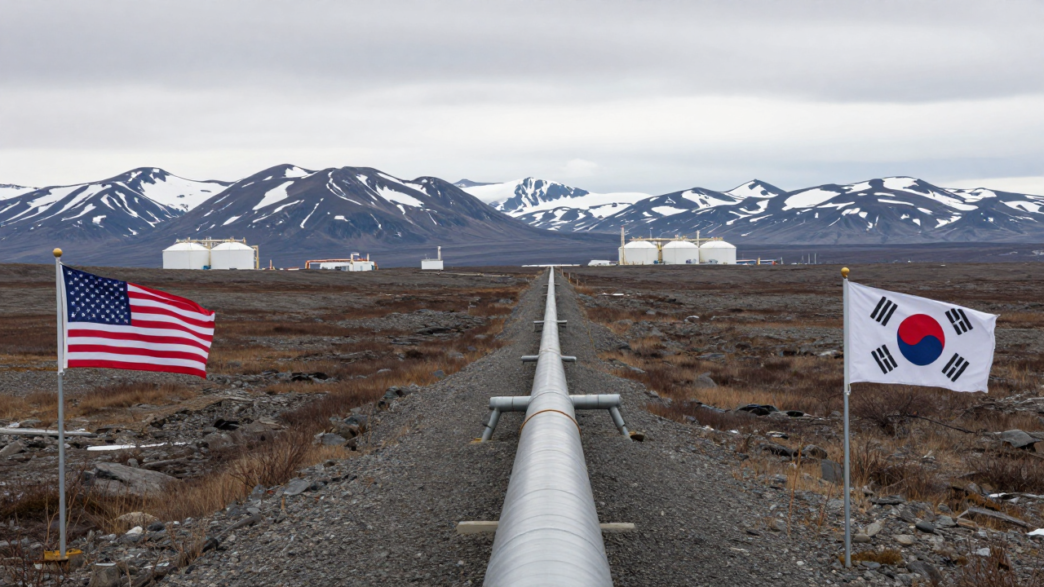
Alaska LNG is designed to move natural gas from the state’s North Slope through a pipeline to a liquefaction facility on the southern coast, where it could be exported by ship to Asian markets. The planned pipeline is about 800 miles long. Its cost, financing and commercial viability have been longstanding obstacles to advancing the project.
Reuters reported on September 30 that the project’s developer, Glenfarne, said in March it had lined up commitments for 13 million metric tons of LNG a year, but needed another 3 million tons to secure financing and make all commitments binding. Japan’s JERA and Tokyo Gas have signed preliminary agreements to buy a combined 2 million metric tons a year if the project is built, Reuters reported.
Those figures describe proposed sales and financing requirements, not a final investment decision or completed construction. South Korea’s participation could provide a potential source of capital, but the Korean government’s stated position leaves its commitment conditional. The October 2 tariff warning did not resolve that uncertainty.
Tariff threat adds pressure to trade talks
Trump’s threat places the project within a broader dispute over the implementation of South Korea’s U.S. investment commitments and the terms of bilateral trade. Reuters reported that last year’s arrangement lowered U.S. tariffs on South Korean goods to 15%, from a previously higher rate, in connection with Seoul’s investment pledge.
Trump said he would “double it up” if South Korea did not sign soon, according to Yonhap’s account of his remarks. The statement was a threat, not an announcement that new tariffs had taken effect. The reports available Friday did not detail what legal steps the administration would take, which goods would be covered, or when any increase might begin.
The White House has presented Alaska LNG as an energy and investment project, while Korean officials have emphasized the need to assess whether it makes economic sense. That difference in public framing now intersects with tariff pressure, but the available reporting does not establish that Seoul has agreed to invest or that the project has secured the financing it needs.
What remains unresolved
No final South Korean investment approval or binding commitment to Alaska LNG was reported by Friday. Nor was there a new project financing decision, construction timetable tied to Korean capital, or formal tariff order announced alongside Trump’s remarks.
The next steps therefore depend on decisions that have not yet been reported: whether South Korea’s review finds the project commercially viable, whether the governments settle the investment terms, and whether the U.S. administration moves from a verbal tariff warning to a formal policy action. For now, the $54 billion figure remains a proposed component of a wider investment package, not a confirmed Korean commitment to build or finance the Alaska venture.