

Updated:
Oil prices rose early Thursday, October 8, as traders weighed renewed risks to crude shipments through the Gulf and the Strait of Hormuz against an international plan to release emergency stocks. Brent crude futures were up $1.33, or 1.33%, at $101.53 a barrel by 0116 GMT; U.S. West Texas Intermediate futures gained $1.11, or 1.26%, to $89.39.
The advance followed a lower settlement on Wednesday, when the International Energy Agency agreed to speed up releases of oil stocks and prioritize diesel under a plan launched in March. But tanker attacks and falling U.S. crude inventories kept supply concerns in focus, underscoring the difficulty of offsetting disruptions while a key export route remains exposed to security threats.
Attacks raise the cost and risk of Gulf exports
Shipping threats in the Gulf and Strait of Hormuz have increased this month as the conflict involving the United States, Israel and Iran enters its eighth month, Reuters reported. Before the war, the waterway carried shipments equivalent to about 20% of global oil and fuel supplies.
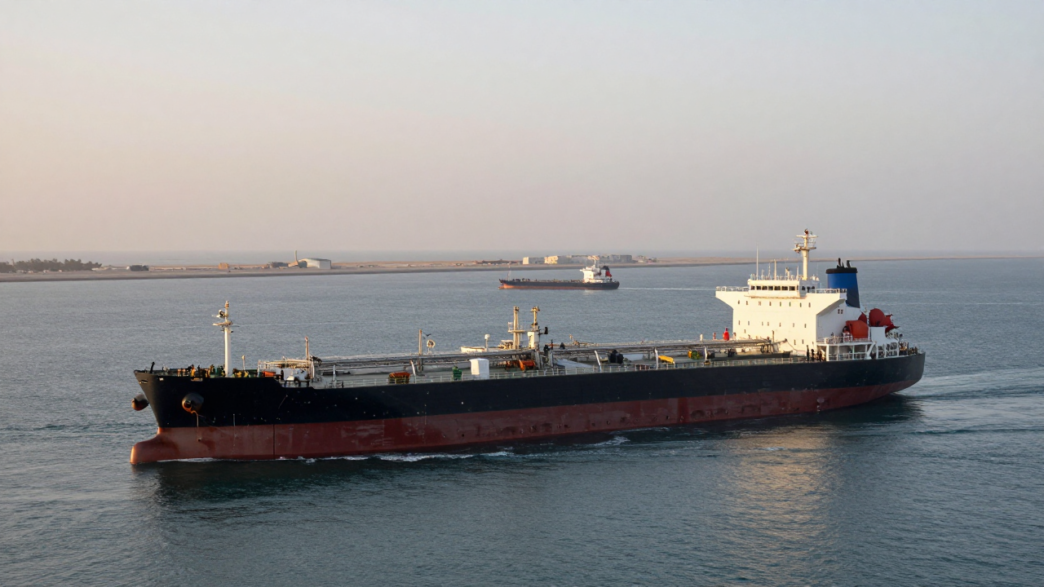
Attacks on tankers transiting the strait reached their highest weekly level since the war began during the previous week, even as Gulf producers increased exports. More oil is moving out of the region, but cargoes and crews face higher risks and shipping is taking place at greater cost, the report said.
The latest reported incident involved a tanker north of Qatar struck by multiple projectiles, the United Kingdom Maritime Trade Operations agency said on Wednesday. The agency’s account, as reported by Reuters, cited casualties but did not provide further details in the available report.
Daniel Hynes, senior commodity strategist at ANZ, said in a note that producers appeared willing to accept the possibility of vessel damage because they had no alternative way to get their oil to international markets. He noted that previous attacks had led to reduced shipments from the Persian Gulf, leaving the current increase in exports vulnerable to further disruption.
Emergency releases offer a temporary buffer
The IEA’s decision to accelerate stock releases helped weigh on prices during Wednesday’s session, but its effect on available supply remains uncertain. The move concerns an existing plan launched in March, and Hynes said the barrels would likely come from the original 400-million-barrel release rather than represent an additional draw on strategic inventories.
That distinction matters because an accelerated release can bring stored oil to market sooner without increasing the amount of emergency supply committed overall. Hynes said stock releases could supplement flows temporarily but would not create new production capacity.
The emergency-stock measure comes as governments seek to address record fuel prices and supply disruptions attributed to the war. In its Wednesday decision, the IEA also prioritized diesel supplies, a relevant step as refined-fuel availability remains part of the broader supply concern.
U.S. crude stocks fell more than expected
U.S. inventory data provided another source of support for prices. Commercial crude stocks fell by 3.2 million barrels in the week ended October 2, reaching 424.1 million barrels, the Energy Information Administration said Wednesday.
The draw was larger than the 1.7-million-barrel decline expected by analysts in a Reuters poll. Lower inventories can tighten the near-term cushion available to the market, although the weekly figure does not by itself establish how long supply conditions will remain constrained.
Distillate inventories, which include diesel and jet fuel, declined by 42,000 barrels to 105.14 million barrels. Reuters reported that this level was well below the range seen for this time of year over the previous five years.
Market direction hinges on flows and security
The Thursday price move reflected competing pressures: emergency stocks may add supply in the short term, while attacks threaten the reliability and cost of exports from a region central to global oil trade. U.S. inventory declines added a separate near-term factor for traders assessing available supply.
The Reuters report did not provide a schedule for the accelerated IEA releases or a new target for how many barrels would reach markets and when. It also did not report a change in tanker traffic following the latest attack. The immediate market focus therefore remains on the pace of stock deliveries, subsequent inventory reports and whether oil shipments can continue through the Gulf amid elevated risks.