

Updated:
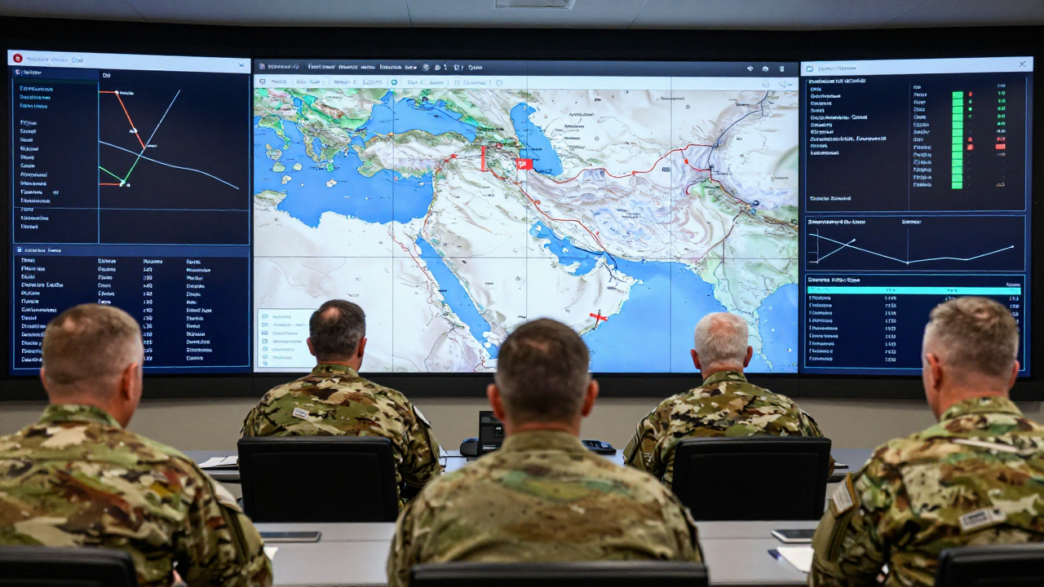
The Pentagon has instructed U.S. Central Command to complete preparations for a possible resumption of major combat operations in Iran, Axios reported Wednesday, citing U.S. officials. The directive does not set a date for strikes, and President Donald Trump has not made a final decision on whether to authorize them.
The order raises the possibility of renewed U.S. military action amid stalled negotiations with Tehran and ahead of the November U.S. midterm elections. Axios reported that U.S. and Israeli officials said an operation could occur before the election, though they considered that prospect less likely than action afterward.
No strike date or presidential decision
The Pentagon instruction, issued several days before Axios published its report, asks Central Command to finish preparations rather than execute an attack. The distinction is significant: military planning can provide options to the president without constituting a decision to use force.
A Pentagon official told Axios that the department’s role is to develop and present military options to the president. A White House official said Trump retains all options, but did not announce a timetable or confirm that a strike had been approved.
Axios reported that any renewed major campaign could involve extensive attacks on Iranian energy facilities, infrastructure and nuclear targets. The report did not identify a finalized target list or specify the scale and duration of any operation.
Negotiations remain unresolved
The military preparations are unfolding alongside indirect diplomacy. Qatar is mediating communications between Washington and Tehran, but Iran has yet to respond to a U.S. counterproposal that includes demands for nuclear concessions, Axios reported.
Trump’s national security team met at Camp David on Friday to discuss the war and other issues. An Israeli official told Axios that the possibility of renewed major operations was among the subjects discussed. Secretary of State Marco Rubio described the meeting afterward as focused on long-term foreign policy planning.
Trump spoke with Israeli Prime Minister Benjamin Netanyahu on Wednesday, their second call in several days, according to Axios. Israeli officials said their country’s security leadership had also discussed Iran. If operations resume, the report said, U.S. and Israeli forces would likely act in tandem, with Israel’s military participating.
Election timing and regional exposure
The timing remains uncertain. One Israeli official told Axios that the chances of a resumption before the elections were not high, while another said the likelihood would rise significantly after the U.S. vote. The officials also pointed to Israel’s election, scheduled about a week before the U.S. midterms.
The election calendar adds political sensitivity to decisions about military action, but the reporting does not establish that electoral considerations determined the Pentagon directive. Axios noted that renewed conflict within weeks could affect the midterms partly through the potential impact on oil prices.
A wider campaign would also carry military risks beyond its intended targets. The Atlantic reported Wednesday that roughly 50,000 U.S. troops are in the region and could face Iranian retaliation if attacks resume. It also cited concerns that renewed fighting could further draw down U.S. munitions stocks.
What happens next remains unclear
The reports describe preparations and deliberations, not an announced operation. No public start date, final presidential authorization or detailed operational plan has been disclosed. The next developments may depend on the stalled mediated talks, decisions by the White House and military planning at Central Command.
Separately, the Associated Press reported that Defense Secretary Pete Hegseth visited the USS Abraham Lincoln on Wednesday, as the carrier prepared to return to San Diego after a lengthy deployment supporting the Iran war. AP reported that two carriers were assigned to the Middle East and that U.S. officials said a third could join them as early as the end of October; the report did not link those deployments directly to the new readiness directive.