

Updated:
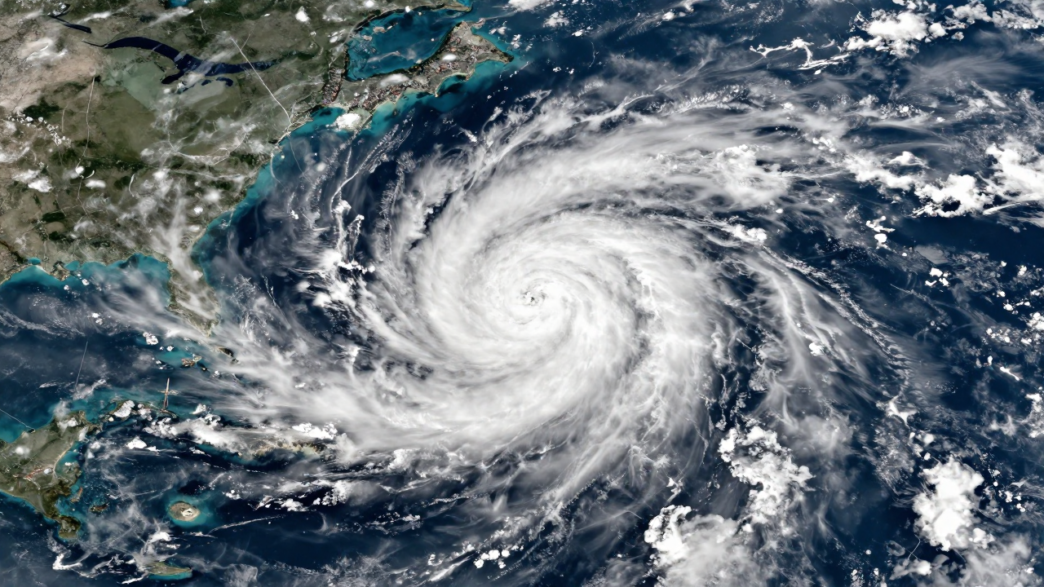
Hurricane Isaias became the first hurricane of the 2026 Atlantic season on Thursday, October 8, as it moved toward the northern Gulf Coast and prompted energy companies to halt some offshore production and evacuate workers from facilities. The U.S. National Hurricane Center reported maximum sustained winds of 75 mph, placing the storm just over the threshold for hurricane strength.
At the time of the report, Isaias was about 445 miles south-southwest of the mouth of the Mississippi River. Forecasters expected further strengthening and said the storm could reach the northern Gulf Coast on Friday night, October 9, though its precise impacts remained dependent on the storm’s path and intensity.
The system’s upgrade matters beyond coastal preparations because the Gulf of Mexico is a significant source of U.S. oil and gas production. Operators were already reducing activity ahead of the storm, while the approaching system also raised concern about potential effects on refining facilities along the coast.
Production shut-ins spread across Gulf operations
As of Wednesday, October 7, producers had shut in about 25.08% of current oil production and 16.37% of current natural gas production in the U.S. Gulf of Mexico, Reuters reported, citing the Marine Minerals Administration. The agency’s figures describe production temporarily taken offline as companies prepare for hazardous weather; they do not indicate that the facilities have suffered damage.
Reuters reported that Shell and Chevron were curtailing offshore operations at Gulf platforms. The Associated Press separately reported that eight of the region’s 371 manned oil platforms had been evacuated by Wednesday, and that roughly a quarter of oil output had been halted—about 511,000 barrels per day, according to its account of government data.
The immediate supply effect depends on how long operators keep facilities offline and whether the storm affects infrastructure after passing. A shutdown is a precautionary measure, and the reports available Thursday did not establish how much production would be restored, or when, after conditions improve.
Storm forecast puts coastal infrastructure in focus
The NHC expected Isaias to remain a strong hurricane as it approached the northern Gulf Coast Friday night. Associated Press reporting said the storm could bring hurricane-force winds to parts of the Florida Panhandle, southern Alabama and southern Mississippi, as well as a potentially life-threatening storm surge along sections of the northern Gulf Coast.
The hurricane center also warned of heavy rainfall along the central Gulf Coast. The AP reported a forecast range of 3 to 7 inches, or about 7 to 18 centimeters, in some areas, and the National Weather Service urged communities from Ocean Springs, Mississippi, to Gulf County, Florida, to prepare for possible long-duration power outages.
Governments and local authorities had begun precautionary measures before Isaias reached hurricane strength. Florida and Alabama declared states of emergency covering dozens of counties, while some Florida school districts canceled classes and mandatory evacuations were ordered for certain coastal areas, according to AP.
Why the storm is relevant to energy markets
The Gulf combines offshore extraction with coastal processing and transport infrastructure. Reuters noted that Isaias was expected to move through areas with substantial oil and gas production and near onshore refineries, making both offshore shut-ins and any disruption to refining relevant to energy supplies.
Reuters said interruptions could add pressure to inventories and fuel prices, which it described as already high. That is a potential exposure rather than a confirmed market outcome: the reporting did not establish storm damage to refineries or quantify any resulting change in supply or consumer prices.
The AP reported that the Gulf produces almost 15% of U.S. crude oil annually and that the Wednesday production cuts had removed about 511,000 barrels a day from the market. Those figures underscore why precautionary shutdowns are watched closely, but the scale and duration of any disruption would depend on the storm’s eventual track and facility inspections.
A late-season first hurricane
Isaias formed as a tropical system earlier in the week in the Gulf, off eastern Mexico, before strengthening into a hurricane. Its development made it the first Atlantic hurricane of 2026, unusually late in the season; AP noted that the season’s first hurricane in 1905 formed on October 8, a record the current storm was approaching.
The Atlantic season had been unusually quiet, and the AP attributed part of that pattern to a strong El Niño, which can create conditions that hinder storm formation in the Atlantic. That broader seasonal context does not determine Isaias’s immediate strength or path, which forecasters continued to monitor as the storm neared the coast.
Next steps remain tied to the forecast
For energy operators, the next steps were to maintain safety measures while monitoring the NHC forecast, then assess offshore platforms and related infrastructure before restarting suspended activity. The available reports did not give a timetable for resuming production or confirm damage to any named company’s facilities.
For coastal communities, the immediate schedule was preparation ahead of the forecast Friday-night approach, including evacuation orders in designated areas and local closures. The NHC’s track and intensity forecasts remained central to determining which locations would face the greatest wind, rainfall and surge risks.