

Updated:
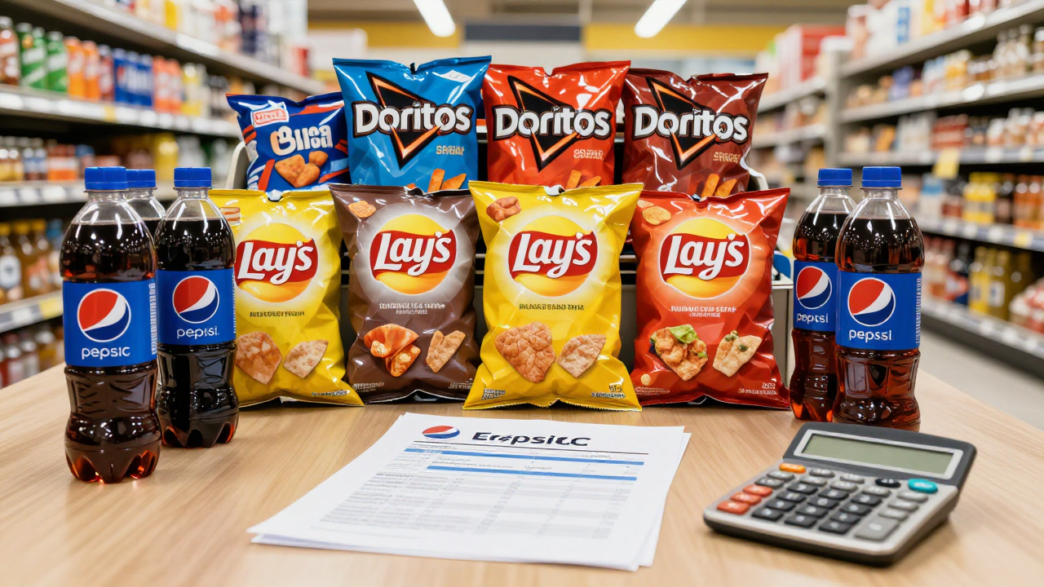
PepsiCo heads into its third-quarter earnings release on Thursday, October 8, facing a test of whether its efforts to revive North American sales can also put margins back on track. The company’s core operating margin fell to 16.3% of revenue in the first half of 2026, down 15 basis points from a year earlier, despite productivity savings and February price cuts on products including Lay’s and Doritos.
The margin decline runs counter to a three-year goal, announced in December after discussions with activist investor Elliott Investment Management, to increase the measure by 100 basis points. Elliott disclosed a roughly $4 billion stake in PepsiCo about a year ago and pressed for changes intended to improve growth and profitability. The upcoming results will offer investors a fresh measure of progress, particularly in the company’s large North American business, where volumes have contracted.
Margin target meets a difficult operating backdrop
Chief Executive Ramon Laguarta is contending with higher input costs linked in the Reuters report to the Iran war, as well as persistent inflation that is weighing on consumer demand. The combination complicates PepsiCo’s attempt to restore growth while lifting profitability. Its first-half margin figures show that the recovery effort had not yet translated into year-over-year expansion on that measure.
The company’s response has included cost and pricing actions. PepsiCo cut prices by as much as 15% on some snacks in February, seeking to address affordability, while pursuing productivity savings. Reuters also reported that some U.S. chip prices were raised again in September. UBS analyst Peter Grom said improvement in North America would likely be gradual and suggested a return to a more regular pricing pattern could make sense if earlier cuts did not generate the expected increase in volume.
Investors await signs of a snack recovery
The central question for investors is whether U.S. snack volumes are stabilizing after the company’s price and product initiatives. TD Cowen analyst Robert Moskow said PepsiCo’s work in Frito-Lay—including price adjustments, new products, expanded distribution and increased marketing—had fallen short of expectations. He described sales as roughly flat and said the business was losing market share.
David Wagner, an investor in PepsiCo and portfolio manager at Aptus Capital Advisors, said investors were looking for evidence that North American snack volumes and margins had stopped falling, alongside beverage pricing power that could keep pace with Coca-Cola. PepsiCo shares were down nearly 12% so far in 2026 and about 16% since Elliott’s investment, according to Reuters. The report also put PepsiCo’s enterprise-value-to-EBITDA multiple at 10, compared with 18 in mid-2022.
GLP-1 drugs add pressure to product strategy
The spread of GLP-1 weight-loss drugs has intensified concern about possible changes in demand for salty snacks and sugary drinks. Food producers, including Kraft Heinz and Conagra Brands, have responded with healthier or reformulated products, Reuters reported. PepsiCo has introduced items including Doritos Protein, SunChips Fiber and Good Warrior beef sticks as it adapts its portfolio.
Those launches show how the company is addressing changing consumer preferences, but the available reporting does not establish how much GLP-1 use has affected PepsiCo’s sales. For a business spanning snacks and beverages, the challenge is to respond to demand shifts while restoring volume and protecting profitability across major product lines.
Thursday’s report will provide the next checkpoint
Analysts surveyed by LSEG expected third-quarter revenue to rise 4.3% to $24.96 billion and adjusted earnings per share to increase 0.21% to about $2.29. Those figures are estimates, not reported results. PepsiCo’s scheduled release on October 8 will show whether actual performance met those expectations and provide the next company update on its business.
Elliott and PepsiCo did not respond to Reuters’ requests for comment on the latest report. Earlier, when Elliott called for a turnaround, PepsiCo said it would review the investor’s proposals in the context of its strategy and cited work on innovation and portfolio transformation. The earnings release is therefore the next concrete test of operating results; the available reporting does not establish any new timetable or revised margin target.