

Updated:
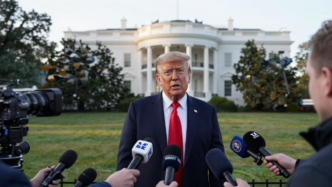
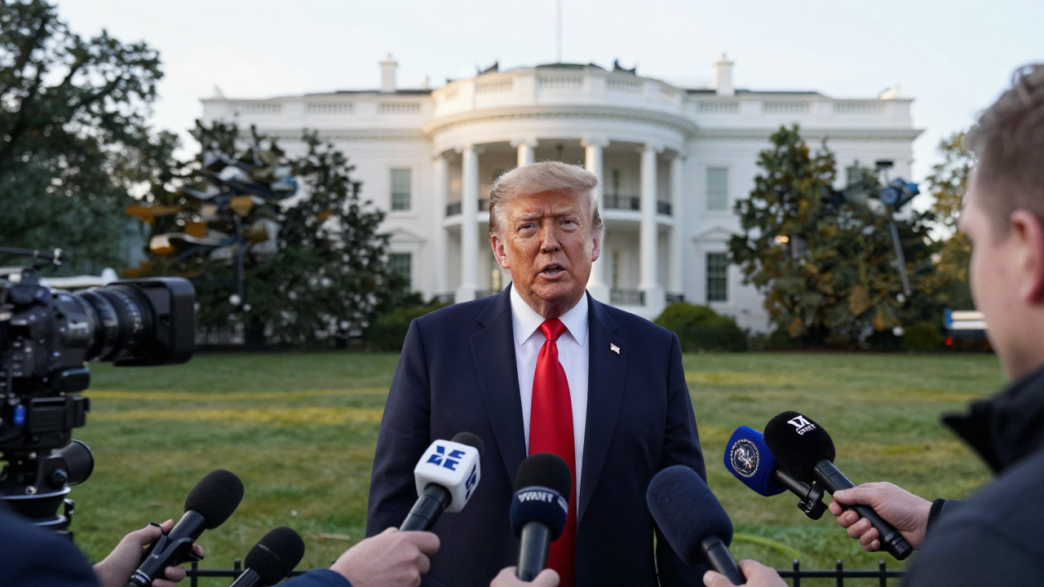
U.S. President Donald Trump said Tuesday, October 6, that he has a call scheduled with Russian President Vladimir Putin to discuss a possible case of pneumonic plague after a worker at a Siberian anti-plague research institute died of pneumonia of unknown cause. Trump told reporters at the White House he expected to speak with Putin “very soon” and said U.S. officials were in “very deep discussions” about the situation.
No plague infection has been confirmed in the woman or among her contacts. Russian authorities told the World Health Organization that no plague cases had been recorded in Irkutsk, while the WHO assessed the risk outside Russia as very low. The scheduled presidential conversation comes amid calls from U.S. officials and international health agencies for more information about the death and the investigation.
Cause of death remains unconfirmed
The woman worked at the Irkutsk Anti-Plague Research Institute of Siberia and the Far East. Russian authorities said she died after developing severe pneumonia; officials have not publicly established what caused it. Reports identifying pneumonic plague as a possible cause have not been confirmed by Russian health authorities or the WHO.
Russia’s health watchdog, Rospotrebnadzor, said testing of the deceased woman found no microorganisms associated with her work at the institute. The watchdog also reported no infectious diseases among institute staff during the preceding 10 days. Reuters reported that Russian officials said contacts had been identified and that none had tested positive for plague.
The WHO said Russian authorities reported that testing found no dangerous infectious-disease pathogens among contacts and that medical monitoring of all identified contacts had concluded. The organization said it was in contact with Russian authorities to verify the circumstances, testing and potential public-health implications. Russian officials had not asked WHO experts to deploy to the country, according to the agency’s account of the situation.
Trump’s comments follow earlier offer of U.S. help
Trump had said Monday that the United States was willing to help Russia, but at that point said he had not spoken with Putin about the case. On Tuesday, he described a call as scheduled and said he expected to be able to report more about the U.S. assessment, possibly the following day. He did not provide a time for the call or specify what assistance Washington might offer.
Kremlin spokesman Dmitry Peskov said Tuesday that an offer of mutual assistance was welcome, while referring questions about the investigation to Rospotrebnadzor. U.S. Secretary of State Marco Rubio separately urged Russia to share more details, saying that the available information was limited and that Washington could not yet determine the scale of the concern.
WHO and European agency describe low external risk
The WHO said the potential case posed a “very low” risk outside Russia. In a Tuesday briefing, the agency said Russian authorities had reported no plague cases in Irkutsk and described the woman’s illness as initially resembling an acute respiratory viral infection. The agency’s assessment was based on information available at the time and did not establish the cause of her death.
The European Centre for Disease Prevention and Control said it was monitoring the event. The agency reported no secondary cases or evidence of sustained person-to-person transmission that would indicate further spread. Pneumonic plague affects the lungs and can spread between people through respiratory particles, but the WHO has described the disease as treatable when detected and treated promptly.
Political and public-health questions remain
The death has drawn international attention because the woman worked at a facility that studies dangerous pathogens, including plague, in a region where the disease occurs naturally in wild animals. Russian authorities have described precautionary steps including contact tracing and medical monitoring, while the exact circumstances of the infection and the illness’s cause remain unresolved in public reporting.
The planned call also comes as the Trump administration faces an October 18 deadline to decide which Russian entities, if any, to sanction under the Lindsey O. Graham Sanctioning Russia and Iran Act, signed into law on September 18, according to the Associated Press. The report did not indicate that the public-health issue would affect that decision. As of Tuesday, no date or further details for the Trump-Putin call had been announced.