


Updated:
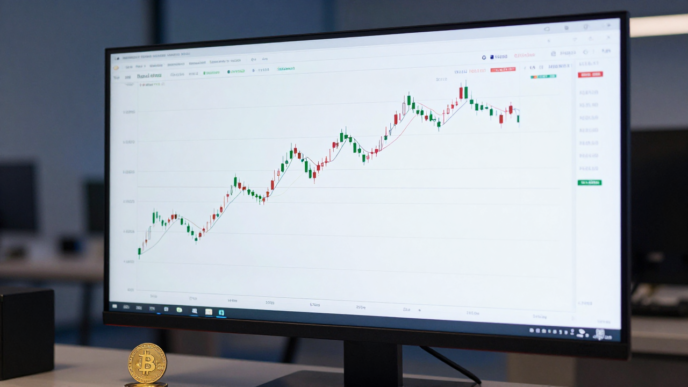
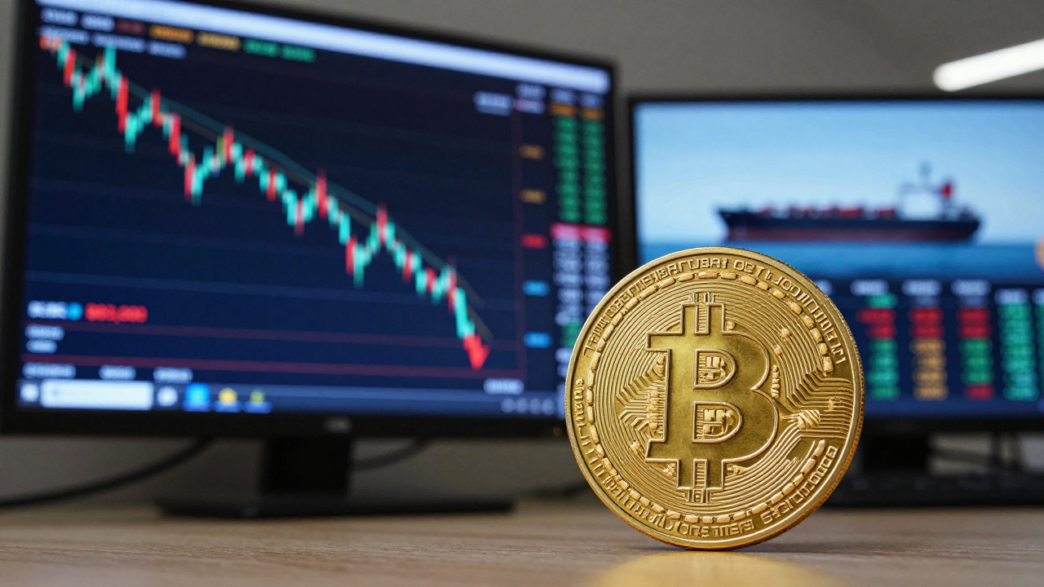
Bitcoin fell to about $83,200 on Wednesday, October 7, after minutes from the Federal Reserve’s September meeting showed that most policymakers considered another interest-rate increase likely by year-end. The decline came as investors also assessed elevated Treasury yields and oil prices, with conflict-related concerns around the Strait of Hormuz adding to pressure on risk assets.
The largest cryptocurrency was down 2.8% at $83,198.50 by 5:46 p.m. Eastern time, according to Investing.com. Earlier trading had taken Bitcoin below $84,000, after it had been largely rangebound during October following a strong third quarter. CoinDesk separately reported an early-Wednesday low near $83,840.
The move underscored how monetary-policy expectations and geopolitical developments were shaping crypto trading alongside digital-asset-specific news. Other major cryptocurrencies also declined, while the Fed minutes’ release and a U.S. Treasury auction gave traders additional signals about interest rates and demand for government debt.
Fed minutes put another rate increase in focus
The September meeting minutes said most Federal Open Market Committee participants judged that another increase in the federal funds target range would likely be appropriate by the end of 2026. The committee had voted unanimously at that meeting to raise rates by a quarter percentage point, according to Investing.com’s report.
The minutes also arrived against a shift in near-term market expectations. Investing.com cited CME FedWatch data showing that the implied probability of the Fed holding rates steady at its next meeting was nearly 83%, compared with about 54% a month earlier. That pricing indicated that traders had become less convinced of another immediate increase, even as the minutes recorded policymakers’ year-end view.
Higher interest rates can weigh on speculative assets by making yield-bearing investments more attractive and tightening financial conditions. The minutes did not establish that the Fed had committed to another increase; they documented participants’ assessments at the September meeting, while subsequent economic data and policy commentary remained relevant to the outlook.
Oil and bond-market moves added pressure
Oil markets were unsettled by reports of increased attacks on ships in the Strait of Hormuz and intensifying fighting involving Iran-backed Houthis and Yemen’s Saudi Arabia-backed government. Brent crude futures eventually settled 0.6% higher at $101.17 a barrel on Wednesday, Investing.com reported.
Earlier in the session, CoinDesk reported Brent near $101.50 after a rise of almost 1%. It also noted that the U.S. dollar strengthened against other Group-of-10 currencies and the 10-year Treasury yield rose three basis points to 5.31% during Asian trading. Those figures describe a particular trading window; the day’s market levels moved as trading continued.
The bond sell-off eased later, according to Investing.com, after a $39 billion auction of 10-year Treasury notes drew strong demand. The auction’s yield was the highest for that type of sale since November 2000, the outlet reported, while the demand helped pare gains in Treasury yields. Oil’s advance also moderated after the International Energy Agency agreed to accelerate the release of oil stocks, and France said it would release 10 million barrels of diesel from emergency reserves.
Losses spread across digital assets
Bitcoin’s decline was accompanied by losses across major tokens. Investing.com reported ether down 4.8% to $2,568.51 and XRP down 5.8% in its later market update; Solana and Cardano fell 4.6% and 5.6%, respectively. Dogecoin and the $TRUMP token were also lower, by 5.4% and 7.9%, respectively, in that report.
CoinDesk’s earlier snapshot showed smaller declines for some assets, including a 3.5% fall for ether and a nearly 3% decline for XRP. The difference reflects the reports’ distinct observation times during a volatile trading day, rather than a single fixed closing price for each token.
Investing.com also said that expectations for more crypto-friendly U.S. regulation had done little to lift broader risk appetite. Its report noted that crypto had lagged record highs in U.S. equities as investor interest focused on artificial-intelligence stocks, though it did not quantify that comparison.
What traders were watching next
Market participants were weighing the Fed’s account of its September deliberations against newer signals about the economy, inflation and employment. CoinDesk reported that traders were considering whether the minutes suggested patience or left open the possibility of another increase before year-end. The minutes themselves described policymakers’ views at the prior meeting, not a new decision or a guaranteed future rate move.
Oil supply risks and Treasury-market demand remained additional variables for financial markets. Wednesday’s auction and the planned release of emergency oil stocks offered countervailing developments during the session, but the available reporting did not establish how long either would affect prices.
Bitcoin’s fall below $84,000 was a notable intraday move, but its price fluctuated across trading hours and data providers. By late Wednesday, Investing.com put the cryptocurrency near $83,200; the outlet’s report did not identify a confirmed next policy action by the Fed or a scheduled crypto-market event that would determine the next move.