

Updated:
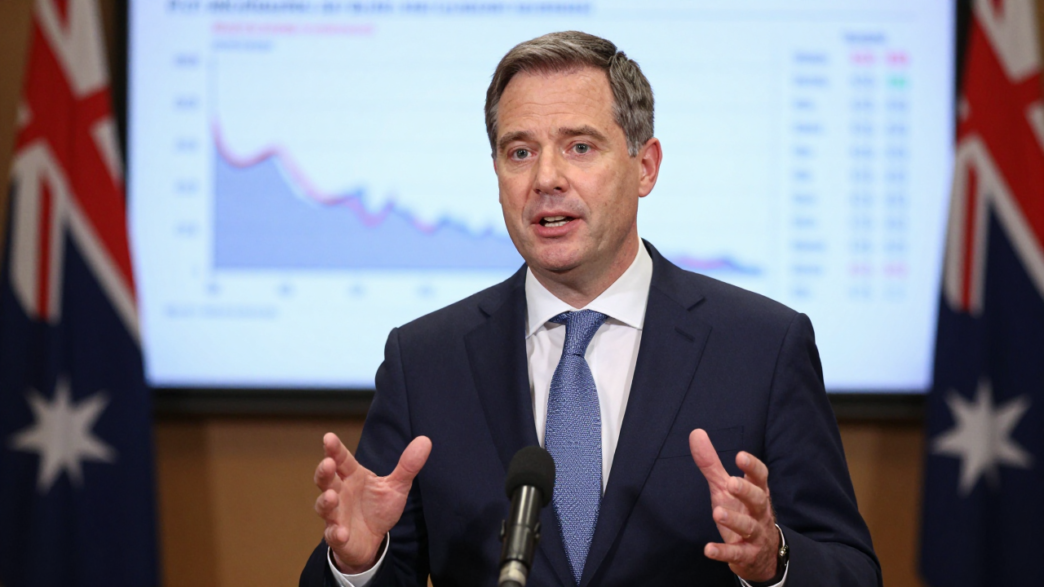
Australian Treasurer Jim Chalmers said the prolonged US-led war with Iran has worsened inflation, lifted borrowing costs and weighed on global growth, arguing that the conflict’s effects are being felt in household budgets and government finances. Speaking on ABC’s Insiders on Sunday, October 4, he said Australia was not anticipating a recession, but warned the country would not be insulated from a weaker world economy.
The remarks came as the government prepares further savings for its December mid-year budget update and faces scrutiny over rising prices and interest rates. Australia’s annual inflation rate reached 4% in the year to August, up from 3.5% in July. The Reserve Bank of Australia raised its cash-rate target by a quarter percentage point to 4.60% on September 30, its highest level in 15 years.
War adds to an inflation problem already under way
Chalmers described the war’s economic consequences as disastrous for Australian families, pointing to energy costs and the effect of higher prices on consumers. He said the longer the conflict continued, the greater its effect on global growth and Australia, including through inflation and weaker economic activity.
The treasurer’s emphasis on the conflict comes amid a wider dispute over what is driving inflation. The RBA has identified both Middle East-related energy costs and domestic capacity pressures. Governor Michele Bullock said after the September rate decision that the oil shock was adding to inflationary pressures that existed before the conflict, rather than accounting for the entire problem.
Official data also show that inflation is not limited to fuel. The Australian Bureau of Statistics reported that housing was the largest contributor to annual inflation in August, with prices in that category rising 5.7% over the year. The overall CPI increase to 4% put inflation above the RBA’s target range, adding to pressure on the central bank to restrain demand.
Higher rates and bond yields raise financing costs
The RBA’s latest increase was the fourth cash-rate rise of 2026. The decision affects borrowing conditions across the economy, including mortgage and business finance, as banks adjust rates in response to the central bank’s policy and market funding costs.
Chalmers also pointed to higher government borrowing costs as global bond yields rise. In a September 28 press conference, he said the increase reflected higher inflation expectations as the war dragged on, expectations of interest-rate rises in major economies and competition for capital, including from large technology companies. He warned that those pressures would feed into the budget when the government publishes its mid-year fiscal update.
He said rising yields could add billions of dollars to debt-servicing costs, although the final effect on the budget remained uncertain. Chalmers put federal debt at about A$980 billion at the September 28 briefing and said higher financing costs made continued budget restraint more important.
Government spending remains a point of political dispute
Chalmers rejected the argument that federal spending was the main cause of inflation, saying public demand was only part of total demand in the economy. He has also defended government measures such as tax cuts and cost-of-living relief, while saying the administration is looking for additional savings for the December update.
Opposition figures have argued that government spending is contributing to price pressures and called for tighter budget settings. Chalmers challenged critics to identify which services they would cut, warning that larger reductions could affect programs such as Medicare. The disagreement reflects a broader policy question: how much inflation can be attributed to external shocks, and how much stems from domestic demand and supply constraints.
The RBA has stressed that the domestic component matters. Bullock said inflation had been driven by capacity pressures before energy costs added to the problem. That distinction is important because monetary policy can restrain demand, but cannot directly restore disrupted oil supplies; fiscal choices, meanwhile, affect demand as well as the government’s financing needs.
December update is the next fiscal test
The government’s next scheduled opportunity to set out its fiscal response is the mid-year economic and fiscal outlook, expected in December. Chalmers said the administration was working on more savings after the May budget identified A$44.9 billion in savings over four years. He has not specified the full measures to be included in the update.
In his Sunday interview, Chalmers said Australia was not planning on a recession, while acknowledging that the war was weighing on world growth and that Australia was exposed to those effects. Government officials have also warned that a recession would bring substantial job losses, underscoring the tension between reducing inflation and sustaining employment.
For now, the measurable pressures are higher inflation, a higher policy rate and rising bond yields. The duration of the conflict, the path of energy prices and the extent to which cost increases persist in Australia remain uncertain. The December update will show how the government intends to address the resulting budget pressure; the RBA’s next scheduled rate decision is November 3.