

Updated:
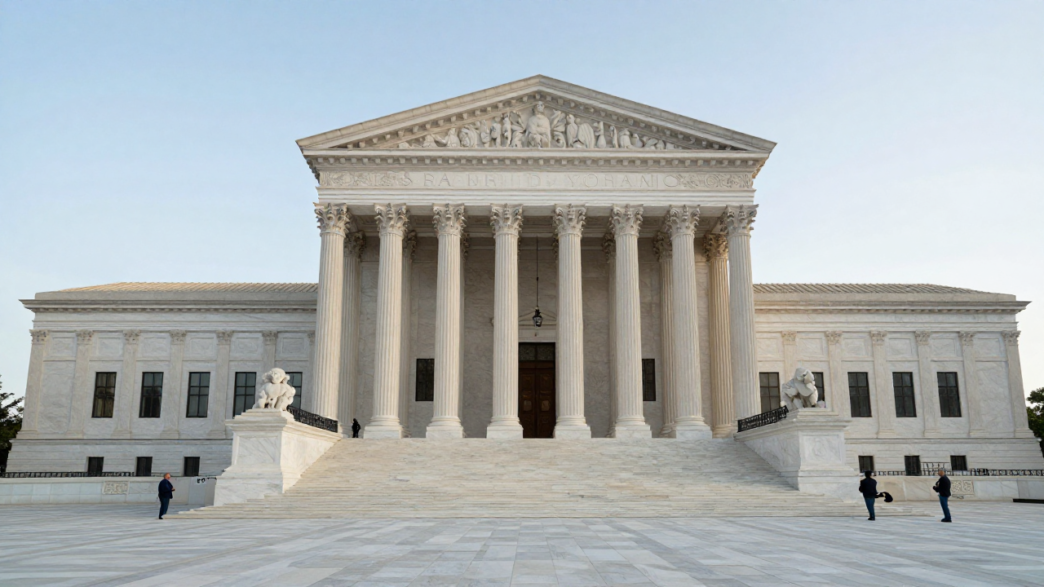
The U.S. Supreme Court is scheduled to hear arguments Monday, October 5, in a case that could determine whether state and local governments can pursue climate-related damages claims against fossil-fuel companies in state court. Exxon Mobil and Suncor Energy are asking the justices to dismiss a lawsuit brought by the city and county of Boulder, Colorado, alleging the companies contributed to climate change and misled the public about fossil fuels’ risks.
The dispute, Suncor Energy (U.S.A.) Inc. v. County Commissioners of Boulder County, opens the court’s 2026–27 term. Its outcome could affect dozens of similar cases nationwide: the companies have told the court that nearly 60 state and local governments have brought claims seeking billions of dollars. Justice Samuel Alito has recused himself, leaving eight justices to hear the case and raising the possibility of a tied decision.
A local damages case with national implications
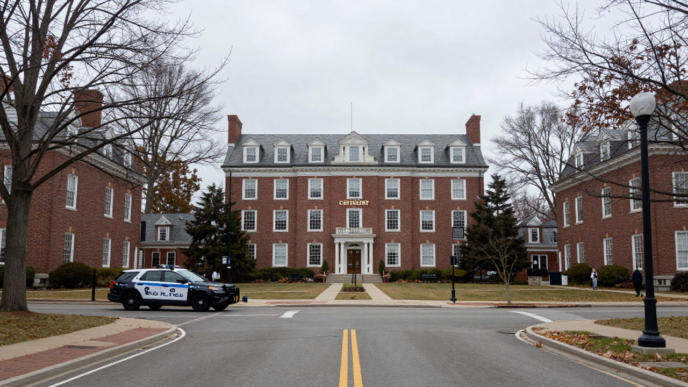
Boulder’s city and county governments filed suit in Colorado state court in 2018. They accuse Exxon and Suncor of contributing to climate-related harms and misleading the public about the effects of fossil fuels. The companies deny wrongdoing and argue that claims involving greenhouse-gas emissions and their effects cannot properly be decided under state law.
The plaintiffs seek unspecified damages to help pay for costs they associate with climate change, including infrastructure repairs, environmental damage, emergency management and public-health impacts. They say the case is about recovering costs incurred in Colorado, not setting emissions rules for businesses elsewhere. No damages have been awarded, and the claims have not been decided on their merits.
The stakes became especially tangible in Boulder County after the 2021 Marshall Fire destroyed homes in the area. The fire occurred after the lawsuit was filed, and climate change was considered a factor in the disaster. The Associated Press reported that damage was estimated at $2 billion, making it the costliest wildfire in Colorado history.
Companies and administration argue federal law controls
Exxon and Suncor contend that state-law claims over climate change intrude on a subject governed by federal law. Their position is that state courts should not use damages claims to impose liability for emissions tied to fossil fuels produced and sold across state and national borders. They have also argued that the Clean Air Act places emissions regulation within the federal framework.
The Trump administration is supporting the companies. Federal government lawyers have argued that the claims amount to an effort by individual states to regulate a global issue beyond their borders, and that federal law precludes Boulder’s case. Boulder, in response, maintains that it is seeking compensation for local harms rather than authority to regulate emissions nationally.
The Supreme Court has directed the parties to address not only whether federal law bars the claims, but also whether the court has jurisdiction to consider the case at this stage. That threshold question could affect how the justices proceed before they reach the central dispute over federal preemption.
Alito’s recusal leaves an eight-member court
Alito announced that he would not continue participating shortly before arguments. The court did not give a reason in its notice. His financial disclosures show holdings in oil and gas companies, including ConocoPhillips and Phillips 66, although he does not own stock in Exxon or Suncor, according to AP reporting.
With one justice absent, a 4–4 tie is possible if the remaining justices divide evenly. Such a result would leave the Colorado Supreme Court’s ruling in place without a nationwide Supreme Court precedent resolving the federal-law question. The practical effect would depend on the lower-court decision and the circumstances of other cases.
Alito also did not participate when the Supreme Court considered an earlier procedural stage of the Boulder litigation in 2023. That dispute concerned whether the case should be moved from state court to federal court; the justices left in place a ruling returning it to state court. The current appeal addresses a different question: whether the claims can proceed at all under state law.
Lower-court ruling and wider litigation context
The Colorado Supreme Court rejected the companies’ arguments that federal law precludes Boulder’s claims, prompting Exxon and Suncor to appeal. The U.S. Supreme Court agreed to take up the case in February 2026. Monday’s hearing will therefore review a legal ruling allowing the lawsuit to continue, not determine whether the companies are liable for climate-related damage.
The case follows a long series of Supreme Court disputes about climate policy and the boundary between federal and state authority. In 2007, the court recognized greenhouse gases as air pollutants under the Clean Air Act and held that the Environmental Protection Agency had authority to regulate them. In 2011, it ruled that states and environmental groups could not use federal common law to seek court-ordered emissions reductions from power companies, prompting climate plaintiffs to pursue claims under state law.
A 2021 ruling involving Baltimore addressed a procedural question about appeals over whether climate cases belong in state or federal court. The current Boulder case presents a separate issue, but its resolution could shape how courts handle other state-law suits seeking compensation from fossil-fuel producers. The Supreme Court’s docket lists oral argument for October 5; it has not announced when it will issue a decision.
Competing views on accountability
Supporters of the companies say allowing Boulder’s lawsuit to proceed could expose businesses to liability under one state’s laws for conduct and emissions spanning the country or the world. During a preview of the term, University of Virginia law professor Saikrishna Prakash, who filed a brief backing the companies, argued that the case could have implications beyond the two defendants.
Boulder officials say local communities are bearing concrete costs and should be able to seek compensation through state courts. Mayor Aaron Brockett has called on the Supreme Court to affirm Colorado’s ability to hold companies accountable for alleged harm in the state. The justices’ task on Monday is narrower: to consider the legal barriers raised by the companies and the administration, not to decide the truth of the allegations or set an amount of damages.