

Updated:
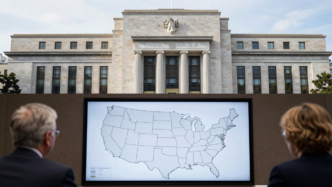
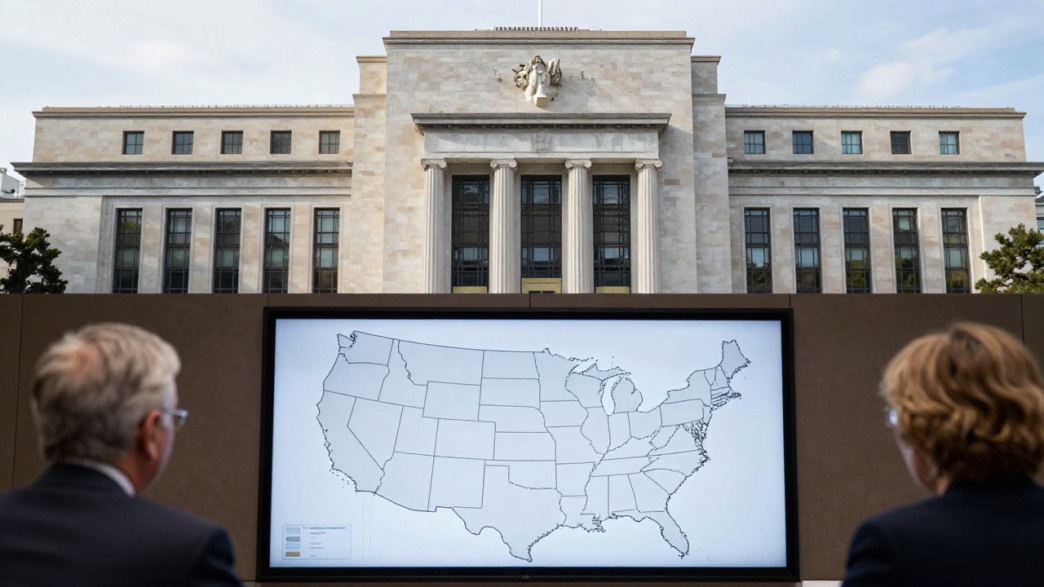
The Federal Reserve will reorganize its bank-supervision operations into five geographic regions, replacing a structure organized around the 12 regional Reserve Banks with a system intended to clarify who is accountable for supervisory decisions. Fed Vice Chair for Supervision Michelle Bowman announced the plan on October 6, 2026, at a community banking conference in St. Louis.
Each new region will have a leader responsible for all supervisory activity there, while examinations will continue to be carried out by staff in existing Reserve Bank locations. Bowman said the realignment is designed to make decision-making more consistent and improve coordination with state and federal regulators; she did not provide a start date for the new structure.
Five regions, with examiners remaining in place
The change addresses how supervisory leadership is organized, rather than moving bank examiners into new offices. The Federal Reserve’s regional staff will continue overseeing the banks they currently supervise, but their work will fall under regional leaders responsible for supervisory activity across the newly defined areas.
Bowman said the regions would be aligned with state boundaries rather than the boundaries of the 12 Federal Reserve districts. She said that approach should make it easier to work with state banking authorities, which share supervision of state-chartered member banks with the Federal Reserve. The Fed has not yet publicly detailed the five regions’ precise boundaries or named the leaders.
In remarks published by the Federal Reserve, Bowman said the new arrangement would preserve local examination while simplifying the leadership structure. Reuters reported that Bowman planned to begin interviewing for the regional leadership positions early in 2027. The Fed has not announced a completed selection process or a date for the reorganization to take effect.
Bowman cites accountability and decision delays
The vice chair said the Fed’s existing system had separated responsibility for supervision from accountability for decisions. While the Board in Washington sets examination policy, supervision is conducted across the Reserve Banks. Bowman argued that this division, together with a complex network of committees, could obscure who was responsible and delay action when risks were identified.
She also criticized the committees’ role in supervisory decisions, saying they could impede prompt action and produce inconsistent communication. The proposed regional structure, she said, is intended to make decision authority clearer while retaining the experience and local presence of examiners across the country.
The announcement follows heightened scrutiny of the Federal Reserve’s oversight after Silicon Valley Bank failed in 2023. Bowman referred to a preliminary report issued in September by an independent review group, which she said identified longstanding structural problems in the supervisory function. Reuters reported that the review found examiners had been slow to act; the restructuring is among a series of changes Bowman has pursued since becoming the Fed’s top bank regulator in 2025.
Part of a wider supervisory shift
The organizational plan comes alongside a broader effort to refocus examinations on risks that could materially damage a bank’s financial condition. Bowman said the Fed’s Statement of Supervisory Operating Principles, introduced in 2025, directs examiners to identify significant vulnerabilities early and take proportionate action. She has argued that examinations had become too focused on procedural shortcomings rather than substantive safety-and-soundness risks.
In her October 6 speech, Bowman also pointed to work on clearer supervisory guidance and revisions to the CAMELS bank-rating framework. The CAMELS system assesses institutions across capital, asset quality, management, earnings, liquidity and sensitivity to market risk. She said proposed revisions would focus ratings on material financial risks and prevent the management component from alone determining a bank’s overall rating.
Another element of the agenda is regulatory tailoring. Bowman said the Fed would consider later in 2026 updating fixed-dollar asset thresholds in its regulations and introducing a mechanism to adjust them every five years for inflation and economic growth. She also said the Board would consider broader changes to asset-based categories and the framework that determines requirements for large banks; these were future considerations, not details finalized as part of the regional restructuring.
Implementation details remain open
The Fed’s announcement establishes the intended five-region model and the role of regional leaders, but leaves important implementation questions unresolved. The Board has not published the region map, the names or appointment process for the leaders, or a full transition schedule. Bowman said the structure would be informed by the regional system used by the Conference of State Bank Supervisors.
The immediate operational test will be whether the new reporting and leadership lines sharpen accountability without weakening coordination among the Board, Reserve Banks and state regulators. For now, the Fed says examiners will remain in their existing locations and continue supervising their current banks while the leadership structure is realigned.