

Updated:
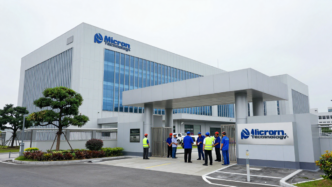
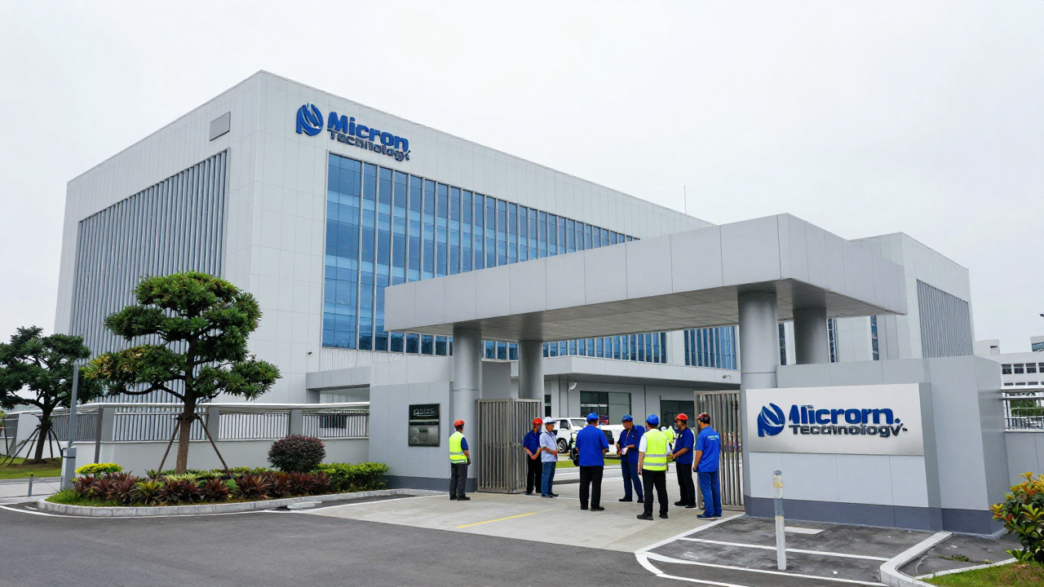
A union representing workers at Micron Technology’s Taoyuan operations in Taiwan said Wednesday, October 7, that members had authorized a strike in a dispute over the company’s bonus system. The vote escalates a labor conflict at a major Micron manufacturing hub, although the union has not announced whether or when workers will walk out.
The Taoyuan union said 1,994 members voted in favor, representing 99% of ballots cast. It said strike details, including timing, remained under discussion. The authorization is a step toward possible industrial action, not confirmation that a strike has been scheduled.
Dispute centers on recurring profit-sharing
The union has sought a permanent profit-sharing mechanism, arguing that the company’s announced rewards do not meet its demand for a lasting arrangement. In earlier statements reported by Reuters, the Taoyuan union called for 15% of operating profit to be allocated to employee bonuses.
Micron announced fiscal 2026 rewards for more than 60,000 employees worldwide in September, describing the year as extraordinary. Reuters reported that eligible Taiwan employees were to receive a T$1 million cash bonus, worth about $31,386 at the exchange rate cited in its October 7 report, with later hires receiving prorated amounts. The union said that package did not address its call for a permanent scheme.
Mediation ended without agreement
The strike vote followed mediation between Micron and the Taoyuan union that ended without agreement in September. The union also criticized the timing of the rewards announcement, saying it came while mediation was in progress and before the parties had reached a settlement.
Micron has separate unions representing employees in Taoyuan, in northern Taiwan, and Taichung, in central Taiwan. Reuters reported that the two unions together represent more than 80% of Micron’s roughly 15,000 Taiwan employees. The Taichung union remained in negotiations as of Wednesday’s Reuters report; the Taoyuan vote does not establish that workers at both sites will strike.
Manufacturing stakes extend beyond Taiwan
Taiwan is an important production base for Micron’s dynamic random-access memory, or DRAM, and high-bandwidth memory chips. HBM is used in AI servers, among other applications. Reuters reported that a labor action could heighten supply concerns in a memory-chip market already described as tight, though it did not report any disruption to production resulting from the vote.
The possible operational impact depends on whether a strike is called, its timing and duration, and which workers or facilities take part. None of those details had been settled in the information reported Wednesday. The union’s authorization therefore raises the possibility of disruption but does not show that Micron’s output has been affected.
Strike timing remains undecided
The next immediate development is whether the union sets a strike date or resumes efforts to reach an agreement with the company. Reuters reported no scheduled walkout or concluded settlement on October 7. It also reported that the Taichung union’s negotiations were continuing, leaving the two sites’ labor processes at different stages.
The dispute follows Micron’s global employee-rewards announcement, but the union’s objection is specifically that the package does not establish the ongoing profit-sharing structure it seeks. Whether the company will offer a revised arrangement, and whether further talks can avert industrial action in Taoyuan, remained unknown.