

Updated:
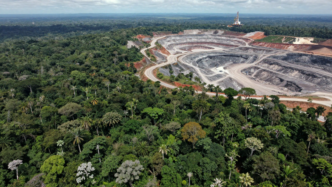
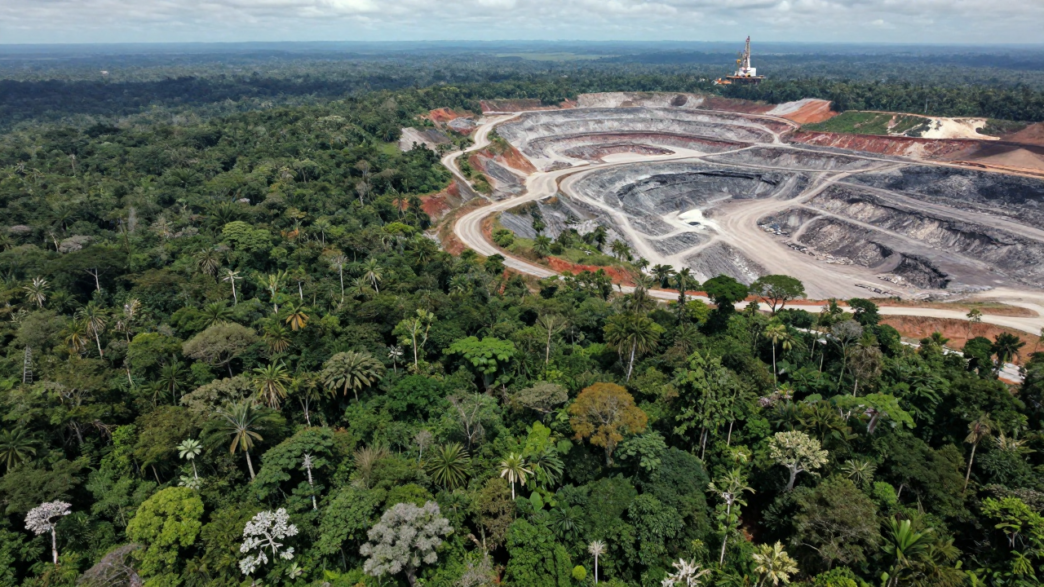
Mining concessions and oil and gas blocks overlap with tens of millions of hectares of protected areas and other important tropical ecosystems, according to research released Thursday by environmental group Earth Insight. The findings raise questions about whether governments can meet the global goal of protecting 30% of land, freshwater and oceans by 2030 while industrial development remains possible inside areas counted toward conservation targets.
Earth Insight’s spatial analysis found oil and gas blocks encroaching on more than 61 million hectares of protected areas, while mining concessions overlapped with another 42.7 million hectares, Reuters reported. The figures describe areas of overlap; they do not mean that all concessions are operating mines or producing oil and gas.
The research comes ahead of the U.N. Convention on Biological Diversity’s COP17 meeting in Yerevan, Armenia, scheduled for Oct. 19–30. The conference is expected to review progress under the Kunming-Montreal Global Biodiversity Framework, including its 30-by-30 conservation target.
Overlap raises questions about conservation quality
Earth Insight said existing national commitments would bring the share of the planet under conservation to about 23% by 2030, short of the 30% goal. But the group and conservation experts cautioned that measuring protected area by its total acreage does not show whether ecosystems are secure from industrial activity.
Madhu Rao, chair of the International Union for Conservation of Nature’s World Commission on Protected Areas, told Reuters that international attention had focused heavily on the numerical target. The research suggests that how protected areas are managed and what activities are allowed within them may matter alongside the headline percentage.
The Kunming-Montreal framework, adopted by governments in 2022, established the 30% target for land, inland waters and coastal and marine areas by the end of the decade. COP17 will take place in Yerevan from Oct. 19 to 30, according to U.N. and conference materials.
Unlicensed concessions leave room for changes
Earth Insight executive director Tyson Miller said many concessions identified in the analysis had not yet been licensed. That distinction leaves governments with the possibility of removing or revising some concessions before extraction begins, he told Reuters; the analysis does not establish that every overlapping block will be developed.
The report’s findings are likely to be conservative, Earth Insight said, and do not cover the full range of pressures facing ecosystems. The available reporting did not detail the dataset’s complete geographic scope, methodology or individual project status, so the aggregate overlap figures should not be read as a tally of active operations or confirmed environmental damage.
One example cited in the reporting is Cambodia’s Phnom Prich Wildlife Sanctuary, where 10,000 hectares were lost to make way for an open-pit gold mine. Earth Insight said 97% of Cambodia’s undisturbed tropical forest lies within designated protected zones, but reported that 21% is threatened by mining and 71% by oil and gas development.
Marine biodiversity gaps extend beyond protected zones
The research also highlighted areas not yet covered by protection. More than 40% of key marine biodiversity areas in the Amazon remain unprotected, according to Earth Insight; the proportion exceeds 50% in Southeast Asia and Central America.
Those figures point to a separate challenge from concessions overlapping existing protected areas: governments may need to expand conservation coverage while also addressing industrial plans in places already designated for protection. The research does not quantify the amount of biodiversity loss that would result if every identified concession were developed.
Energy security may intensify competing demands
Rao said the current energy crisis could lead some governments to pursue oil extraction in places where they had not previously done so. She cited Bangladesh’s invitation for companies to bid on oil blocks in biodiversity-rich waters in the Bay of Bengal, Reuters reported.
The report’s release ahead of COP17 puts land-use conflicts and the implementation of national conservation pledges on the agenda as governments review progress toward 2030. The meeting is scheduled to run from Oct. 19 to 30 in Yerevan. The available reporting did not specify what policy decisions governments will take in response to Earth Insight’s findings or whether particular concessions will be withdrawn.