

Updated:
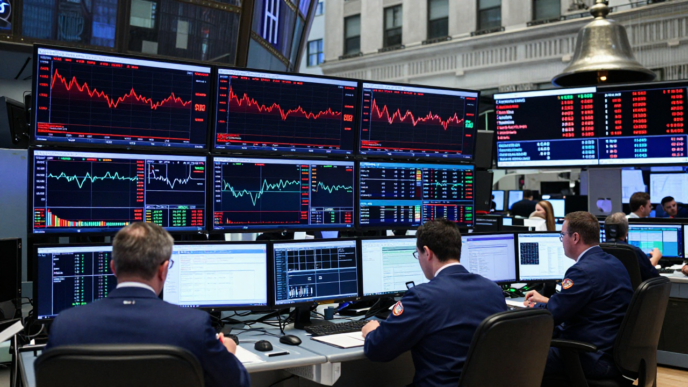
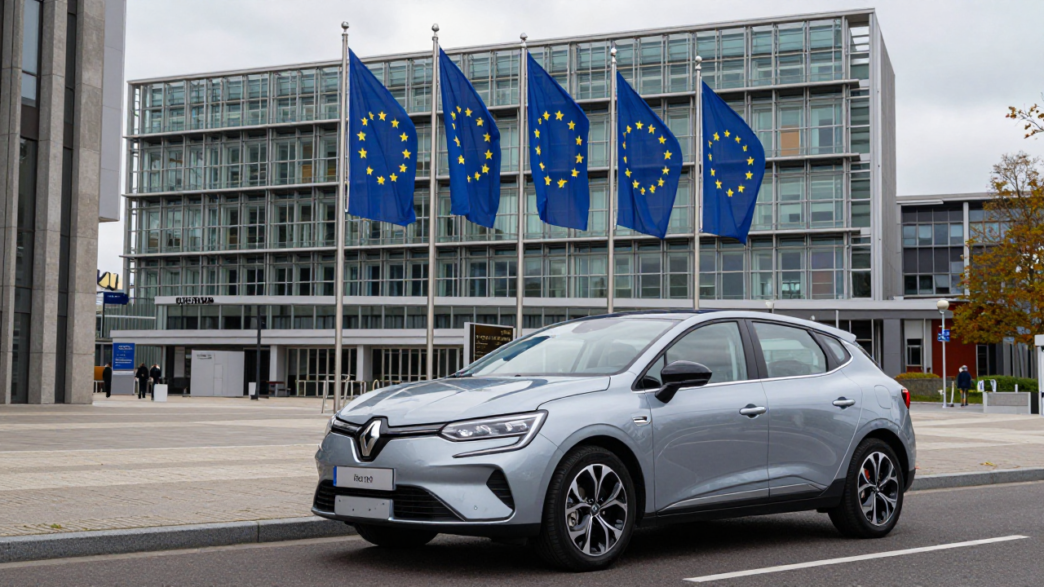
Renault shares rose in Paris on Wednesday, October 7, after reports that the European Commission is considering temporary measures to limit imports of Chinese-made hybrid vehicles. The prospect of trade safeguards lifted other European automakers as well, as investors weighed the possibility that restrictions could ease competitive pressure on manufacturers operating in the bloc.
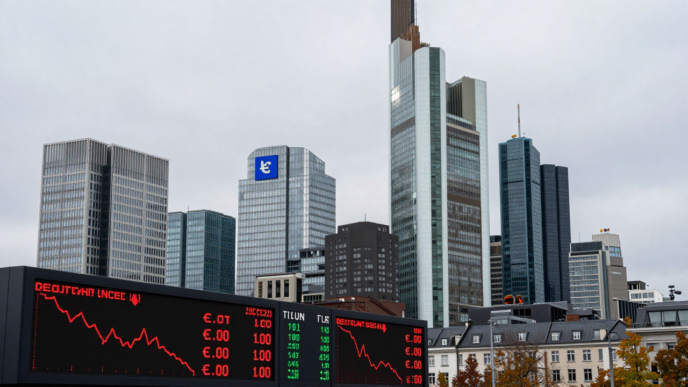
Investing.com reported Renault shares up about 2% at €26.33, after touching an intraday high of €27.36. Earlier market reporting put the shares up 4.3% during the morning session, underscoring that the quoted advance varied with the time of reporting. The Commission has not announced a final measure, and the import limits remain a reported proposal, not an enacted policy.
Reported EU proposal drives the move
Bloomberg, citing people familiar with the matter, reported that Brussels is preparing or evaluating temporary safeguards for Chinese-made hybrids. A separate same-day report by dpa-AFX, carried by MarketScreener, said those vehicles now account for a quarter of total sales, citing Bloomberg. The reports do not specify a final quota, tariff rate, product definition or timetable for any measure.
The potential action comes amid broader European concerns about trade imbalances and pressure on local manufacturing. Reuters-backed coverage reported that EU Trade Commissioner Maroš Šefčovič was due to meet Chinese officials in Beijing on Thursday and Friday, October 8–9. The discussions are part of ongoing trade talks; the available reporting did not establish that an agreement on hybrid exports would result.
Safeguards are not yet policy
The European Commission describes safeguards as temporary trade measures intended to give affected domestic industries time to adjust when rising imports cause, or threaten, serious injury. Depending on the measure, a safeguard can include tariff quotas, under which imports above a specified volume face additional duties. That general framework does not itself confirm that the Commission has opened an investigation or decided to impose restrictions on hybrids.
The distinction matters to investors: a reported plan can influence shares before policy details are settled, but the eventual scope and effect remain uncertain. In its report, dpa-AFX said a Commission spokesperson declined to comment to Bloomberg. Beijing, meanwhile, has criticized calls for new European trade-protection instruments, describing protectionism as no remedy for competitiveness, according to the same report.
Automakers move together; Renault has its own leadership news
Renault was not the only beneficiary of the headlines. Investing.com’s morning market report said Stellantis and Volkswagen also advanced, with their shares up 3.0% and 3.1%, respectively, at the time it cited. Gains across the sector suggest investors were responding to the potential policy shift rather than a Renault-only announcement.
Renault also announced a finance leadership transition earlier in the week. The company said on October 5 that Carine Damois, previously deputy CFO at Michelin, would become its chief financial officer on November 14, succeeding Duncan Minto, who is leaving to pursue opportunities outside the group. Renault’s announcement did not connect the appointment to Wednesday’s share move, so it is best treated as separate company news rather than a confirmed trading catalyst.
What remains to be established
For now, the central uncertainty is whether the Commission moves from reported consideration to a formal process, and what products and import volumes any safeguard would cover. The rules require evidence of increased imports and serious injury, or a threat of it, to EU producers within the relevant product scope. No decision, adopted restriction or implementation date was confirmed in the reporting available on Wednesday.
The immediate share-price reaction therefore reflects the market’s response to a policy possibility, alongside broader sector trading—not proof that Renault’s competitive position or financial outlook has already changed. Further clarity may emerge from the EU-China discussions scheduled for October 8–9, but the reports reviewed did not confirm a decision or announce a subsequent Commission timetable.