

Updated:
New York Gov. Kathy Hochul appointed Attorney General Letitia James as special prosecutor on October 1, 2026, to investigate an alleged sexual assault at Cornell University in 2024. The appointment transfers responsibility for the criminal investigation from Tompkins County prosecutors to the state attorney general’s office, following renewed scrutiny of how campus police summarized the woman’s account and how local authorities initially assessed the case.
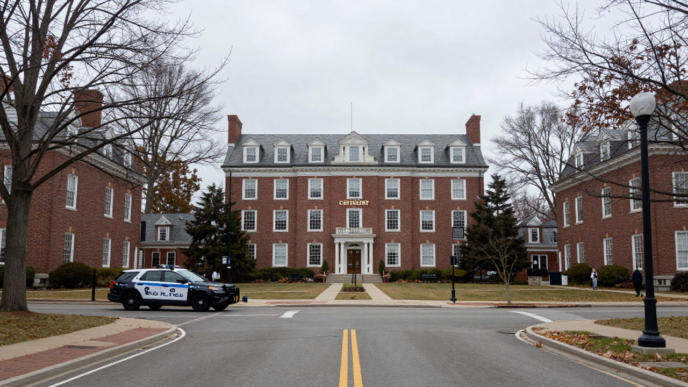
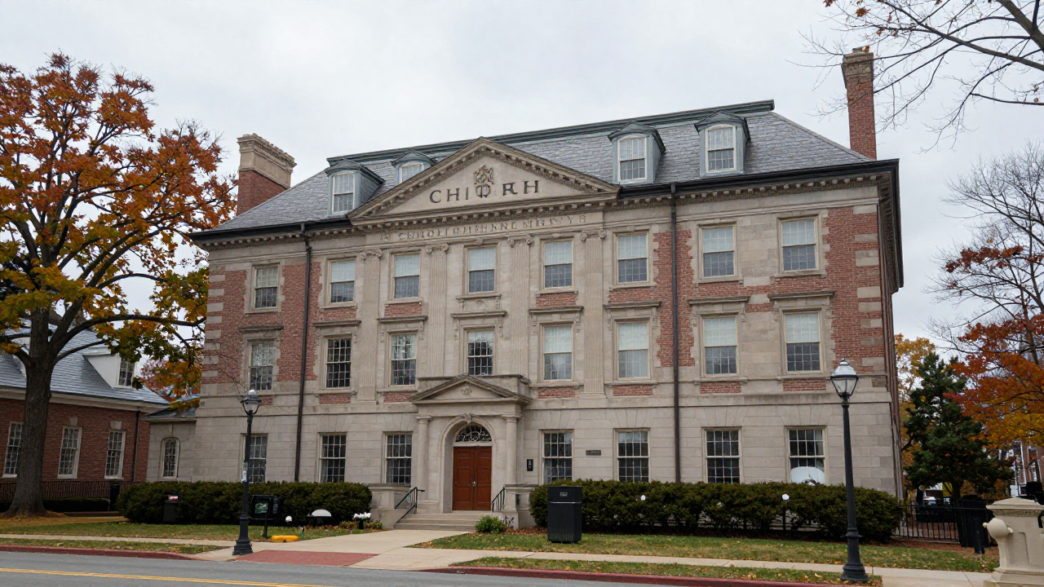
The woman, identified as Jane Doe in court filings, alleges that she was drugged and sexually assaulted by members of the Chi Phi fraternity at its Cornell house in October 2024. She filed a civil lawsuit last month against seven former students, Cornell, the fraternity, a bar and her sorority. The allegations have not been adjudicated, and several of the accused have denied wrongdoing.
Hochul said newly reported information raised serious questions about Cornell police’s investigation and the district attorney’s decision not to pursue charges in 2024. James said her office would conduct a fair investigation guided by the facts and the law. No charging decision has been announced.
State takes over amid questions about the original review
The appointment followed public reporting that the account campus police sent to the Tompkins County district attorney was shorter than the woman’s full interview. District Attorney Matthew Van Houten has said his office relied on a written statement prepared by campus police, rather than a full interview transcript, when it initially decided not to prosecute. He has also said that the summary did not include the woman’s assertion that she had been sexually assaulted or allegations that she had been drugged against her will.
Associated Press reporting on the case said the woman went to campus police about three weeks after the encounter and gave a detailed account. The local prosecutor initially declined to bring charges after reviewing the police summary. The difference between that summary and other records has become central to questions about what information prosecutors received and what investigative steps followed.
Van Houten reopened the local criminal case after the woman’s lawsuit brought the allegations back into public view. Before James’s appointment, he said his office intended to present evidence, including the woman’s testimony, to a grand jury for consideration of possible indictments. The state appointment now places the criminal inquiry under James’s office; reporting had not specified a timetable for the review or any next court date in the criminal matter.
Allegations and accounts remain disputed
The woman’s civil complaint alleges that she was given ketamine and sexually assaulted by multiple fraternity members. Records from Cornell’s separate disciplinary process, reviewed by the Associated Press, describe her account of becoming heavily intoxicated and partly incapacitated. The alleged events took place at the Chi Phi house in October 2024, but the criminal investigation must determine what can be established through evidence and whether any conduct meets the elements of an offense under state law.
Accounts described in the university records differ over consent and individual involvement. The Associated Press reported that some of the men disputed the woman’s account or said they had not taken part in an assault. Reuters reported that Cornell’s internal materials indicated the men denied wrongdoing and told investigators the sexual activity was consensual. Those statements are allegations and responses, not findings in the renewed criminal inquiry.
The case also draws attention to the legal questions prosecutors face when an alleged victim has consumed alcohol or drugs. Van Houten has said the constraints of state law contributed to his office’s initial decision. Reuters reported that lawmakers and advocates have called for changes to New York’s sexual-assault statutes, but the appointment itself does not alter the law or determine whether charges can be brought.
Cornell conducted a separate disciplinary investigation
The university’s inquiry was distinct from the criminal investigation: it addressed campus discipline rather than whether state criminal charges should be filed. The Associated Press reported that Cornell’s investigation included 50 interviews with 32 witnesses and 12 days of hearings. Its review led to expulsions and suspensions, though the university has not publicly detailed each student’s sanction, citing student privacy.
Cornell has said it supports the appointment of a special prosecutor and is committed to an independent external review of its handling of the case. The university has also said the Chi Phi chapter was barred from campus and remains closed. These institutional measures do not resolve the criminal allegations or establish individual criminal responsibility.
The national Chi Phi organization said members understood to have been involved were expelled from the fraternity, according to Reuters. Separately, Cornell records filed in court as part of litigation by one accused former student include material from the school’s disciplinary process. That student is challenging the university’s punishment; the litigation over the discipline is separate from the state’s investigation.
Investigation proceeds without a public charging timetable
James’s office confirmed its appointment in a statement on October 1, saying it had been entrusted with the investigation. The statement did not announce a specific investigative schedule, identify planned interviews or say whether the office would take the case before a grand jury. Those steps, and whether prosecutors ultimately bring charges, remain unknown.
Van Houten said he supported the appointment and would cooperate with the attorney general. He also said his office had not been provided the full picture by the university. James said Friday that the state’s criminal investigation would focus on the facts and the law, rather than on the district attorney’s conduct at this stage.
The civil lawsuit continues on a separate track and seeks to hold the seven men and other named defendants liable; it does not establish that the allegations are true. The immediate next step in the criminal matter is the investigation under James’s authority. Any eventual charging decision would depend on evidence gathered and the applicable law, and no outcome has been announced.