


Updated:
The Federal Communications Commission plans to vote on October 29 on rules that would bar it from recognizing testing laboratories and certification bodies in China and other countries that do not provide reciprocal treatment to U.S. testing organizations. The proposal could shift a large share of the testing used to authorize electronics for the U.S. market away from Chinese facilities, but it is not yet a final prohibition.
The FCC’s announcement, reported Wednesday by Reuters, places the proposed restrictions on the commission’s October meeting agenda. Reuters reported that the rules are slated to take effect in December 2028. The commission’s vote and implementation details remain ahead; the FCC’s underlying proposal describes a phaseout period after final rules are adopted.
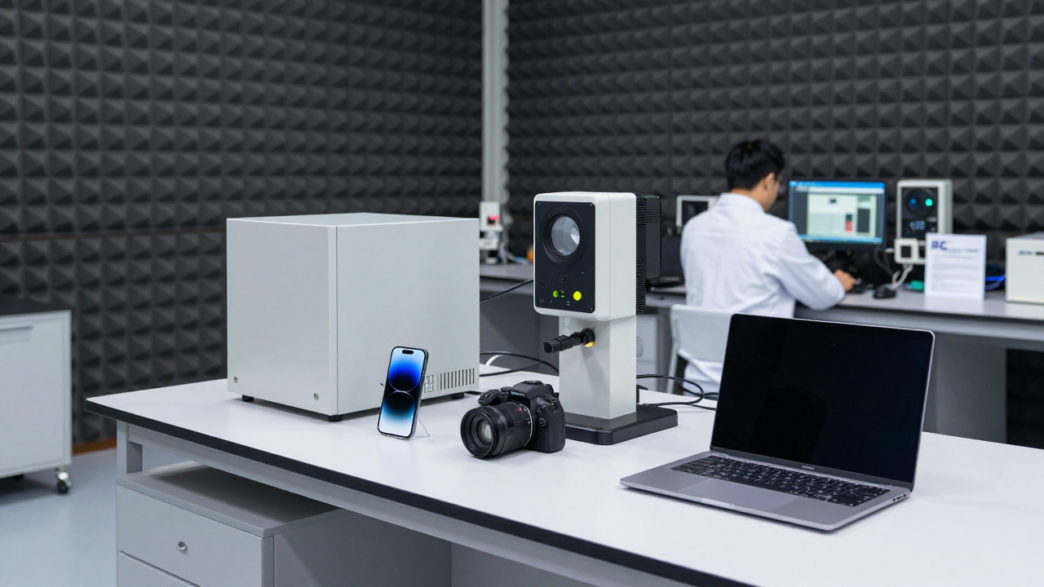
The issue matters to manufacturers because FCC equipment authorization depends on testing and certification for many electronic devices, including smartphones, cameras and computers. The agency has said most China-based laboratories continue to test U.S.-bound electronics despite earlier restrictions on labs owned or controlled by the Chinese government.
Proposal goes beyond ownership-based restrictions
In 2025, the FCC barred testing of U.S. electronics by laboratories owned or controlled by the Chinese government, an action that resulted in several dozen labs being excluded, according to Reuters. The commission later said a substantial majority of China-based labs were still testing U.S. devices, leaving the broader use of facilities in China largely intact.
The new proposal would use reciprocity, rather than ownership alone, as the basis for recognition. The FCC says it would prohibit recognition of testing labs and certification bodies in countries that do not recognize U.S.-based counterparts on comparable terms. China is among the countries affected, but the policy is framed around reciprocal treatment rather than solely a ban directed at one country.
In an April 30 announcement, the FCC said it was seeking comment on ending recognition of labs and certification bodies in economies without a mutual recognition agreement or comparable reciprocal trade agreement with the United States. That proposal also said the agency would phase out affected labs over two years after final rules were adopted and implemented.
FCC cites dependence on testing in China
FCC Chair Brendan Carr said 82% of electronics were tested in China in 2025, Reuters reported. The FCC also said less than 4% of devices were tested in laboratories located in the United States. The figures underline the extent to which product authorization testing has been conducted abroad, though they do not specify how the proposed rule would redistribute that work among other countries or domestic facilities.
The commission argues that reciprocal access and closer oversight are important to the integrity and security of its equipment authorization program. Its April announcement said testing in the United States or in countries with reciprocal agreements would qualify for a separate fast-track review process. That streamlined route is distinct from the proposed removal of recognition for labs in non-reciprocal countries.
The FCC has also pursued other equipment restrictions involving Chinese technology firms and products. Reuters reported that the agency had taken steps concerning Chinese drones, consumer routers and equipment associated with companies including Huawei and ZTE. Those actions form part of the broader regulatory context, but the testing proposal concerns where products are tested and certified, not a blanket ban on all electronics made in China.
October vote is a step, not the effective date
The October 29 vote is the next stated procedural milestone. The planned rule would take effect in December 2028, according to Reuters, giving companies time before the restrictions are scheduled to apply. The FCC’s earlier proposal also contemplated a two-year phaseout after adoption and implementation of final rules.
Manufacturers and testing organizations will need to assess the final rule’s scope and the list of countries that qualify for reciprocal treatment once the commission acts. The available announcement does not establish which individual labs would lose recognition, how firms will distribute testing among remaining facilities, or what specific compliance arrangements companies will use during the transition.
The FCC’s April materials describe the October action as a proposal process, while the October 7 Reuters report says the commission will vote on the restrictions later in the month. Until that vote and subsequent implementation, Chinese labs have not been barred under this newly proposed reciprocity-based rule solely by the announcement of the scheduled vote.