

Updated:
Brazilian presidential candidate Flávio Bolsonaro said on Wednesday, October 7, that his team was studying constitutional amendments to revise parts of the country’s planned consumption-tax overhaul, arguing that its design could leave taxpayers with an excessive burden. The senator also said he wanted to cut payroll taxes, while his top economic adviser has outlined a wider review of taxes enacted under President Luiz Inácio Lula da Silva.
The proposals put tax policy at the center of the contest ahead of the October 25 runoff between Bolsonaro and Lula. Bolsonaro finished ahead of the incumbent in the October 4 first round, according to Reuters reporting, but has not provided a detailed legislative plan for changing the tax system. The tax overhaul was approved in 2023 and is scheduled to begin taking effect in 2027.
Candidate questions projected consumption-tax rate
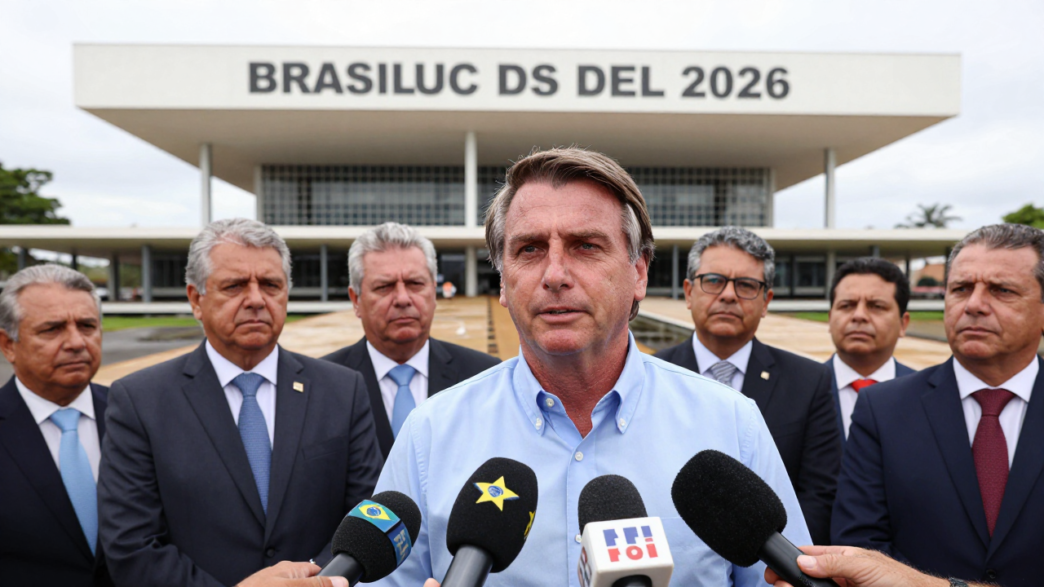
Speaking to reporters in Brasília, Bolsonaro said modernizing Brazil’s complex tax system was necessary but argued that the effective rate under the reformed consumption tax would be too high. Economists have estimated the rate at about 28%, Reuters reported, while noting that the government has not finalized it.
The reform is designed to consolidate multiple existing levies into a dual value-added tax administered at federal and regional levels. Bolsonaro’s call to revisit aspects of the plan signals a potential challenge to a major structural change passed during Lula’s current term, although the candidate has not specified which provisions he would seek to amend or how the replacement would work.
Bolsonaro also said he wanted to reduce payroll taxes, framing the move as a way to leave workers with more of their income. Any change would require decisions about how to replace revenue or adjust spending; the campaign has not publicly detailed those trade-offs in connection with the tax pledges.
Adviser identifies levies that could be reversed
Daniella Marques, Bolsonaro’s leading economic adviser, told local media on Tuesday that a Bolsonaro administration would review a broad range of Lula-era tax measures. Those under consideration include the dividend tax that took effect in January, a 12% tax on crude-oil exports introduced this year, and increases to the Financial Transactions Tax, or IOF, on corporate credit, foreign-exchange transactions and certain private-pension investments.
Marques, who served in Jair Bolsonaro’s government, said that administration had previously proposed taxing dividends alongside a reduction in corporate income taxes. She described the crude-oil export levy as an “aberration,” Reuters reported. No replacement revenue plan or legislative timetable for the proposed reversals was reported.
Lula’s government introduced the oil-export tax to help fund fuel-tax relief for Brazilians amid a global oil-price spike linked to the U.S.-Israeli conflict involving Iran, according to Reuters. Lula’s administration has also said the dividend tax would help finance an income-tax exemption for middle-income earners, while its campaign platform promises to pursue what it calls tax justice and reduce inequality.
Tax reform remains a central policy divide
The candidates’ competing approaches reflect a wider policy contrast. Lula’s platform supports implementing the consumption-tax overhaul approved under his administration and eliminating tax distortions and privileges. It also backs further reductions in tax exemptions and the removal of incentives the government considers inefficient, Reuters reported.
Bolsonaro’s campaign is emphasizing lower taxes, but questions about fiscal consequences remain. Reuters reported in September that his advisers had discussed a faster fiscal adjustment and a new constitutional fiscal framework, while critics warned that reversing tax increases could make debt-reduction goals harder to achieve without restraining mandatory spending.
Brazil’s public finances have been a concern for investors as the election approaches. A September Reuters report said gross public debt had reached 82.5% of gross domestic product, after rising by more than 10 percentage points during Lula’s term. The report also noted that economists see rising mandatory spending, including pensions and social benefits, as a constraint on room for investment.
Debt relief is another campaign pledge
Bolsonaro also said a government led by him would buy debt from heavily indebted consumers and refinance it through state-owned Caixa Econômica Federal. He said borrowers could also receive new credit lines to help finance small businesses, but did not provide further operational details in the reported remarks.
Lula has made a similar debt-purchase pledge. The government has said it plans to hold an auction in November, spending 15 billion reais to acquire up to 150 billion reais in delinquent loans at discounts of at least 90%. The program is expected to cover about half of the debt stock deemed eligible, with borrowers able to settle overdue obligations at the discounted value.
For now, both tax and debt-relief proposals remain campaign commitments rather than enacted policy. Bolsonaro and Lula are scheduled to face each other in the runoff on October 25; the scope of any proposed tax amendments, their revenue effects and the path through Congress have not yet been specified in the reporting.