

Updated:
OPEC+ was expected to keep its oil production targets unchanged for November, according to three sources cited by Reuters ahead of a meeting on Sunday, October 4. The reported agreement in principle came as conflict-related export disruptions left several Gulf producers pumping well below their targets and pre-conflict levels.
The decision had not been formally announced in the reporting available before the meeting. The seven core producers involved—Saudi Arabia, Russia, Iraq, Kuwait, Algeria, Kazakhstan and Oman—were due to discuss the policy by videoconference. Holding quotas steady would extend the pause in increases that the alliance had signalled for the remainder of 2026.
Targets and physical supply have diverged
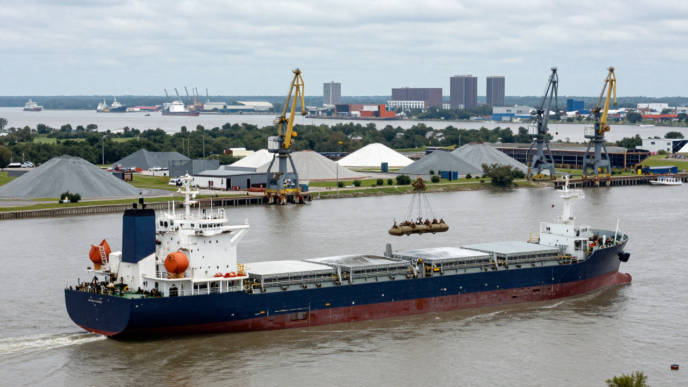
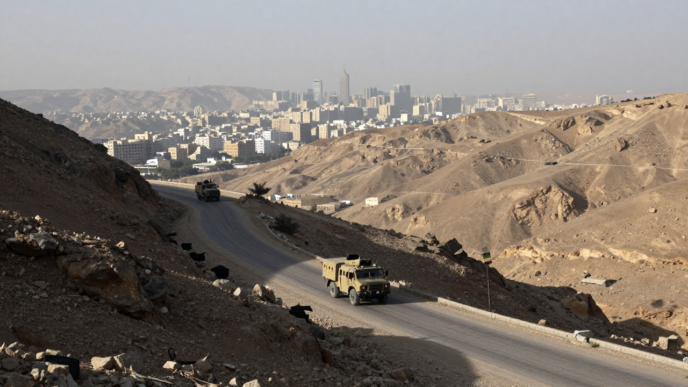
OPEC+ had raised production targets through much of 2026, reversing some cuts introduced in earlier years. But higher permitted output did not translate into equivalent barrels reaching the market: Reuters reported that conflict-related disruption had constrained production and exports across parts of the Persian Gulf.
The seven core members produced a combined 25 million barrels per day in August, according to OPEC data cited by Reuters. That was 630,000 barrels per day more than in July, but remained about 5 million barrels per day below the group’s February level before the war, illustrating the gap between official targets and actual output.
Reuters also reported that Gulf producers’ exports had fluctuated at 60% to 80% of normal levels in recent months. The figures describe export flows, not the members’ formal quotas; disruptions to production, transport and shipments can keep actual supply below targets even when a quota permits more output.
Capacity review shapes the 2027 discussion
The alliance’s next policy decisions also depend on an assessment of members’ maximum sustainable production capacity. The review is intended to inform the production baselines used to allocate quotas for 2027, but industry sources told Reuters that the conflict had delayed the work by making future production potential harder to assess.
OPEC’s June statement reaffirmed the alliance’s overall crude production framework through December 31, 2026, and called for completion of the capacity assessment for use in setting 2027 baselines. It scheduled the next full OPEC and non-OPEC ministerial meeting for November 29. Reuters sources said changes to output were unlikely before 2027 while the review remained outstanding.
Existing cuts remain in place
Even if November targets were held steady, that would not mean every OPEC+ member could produce at its quota. Reuters reported that roughly 2 million barrels per day of cuts remained in place across most members, alongside the immediate constraints affecting Gulf producers. The group’s formal target-setting and the amount of oil physically available to buyers therefore remain separate measures.
The quota pause follows a period of modest increases approved over the six months through August. Those changes were intended to unwind part of the earlier reductions, but the conflict limited their effect on actual supply, according to Investing.com’s account of Bloomberg reporting and Reuters’ reporting from sources close to the talks.
Formal decision remained pending
As of the reports published ahead of the October 4 meeting, the expected November rollover was described as an agreement in principle, not a completed official decision. OPEC’s June statement provides the broader production framework and November ministerial date, but does not confirm the outcome of the October meeting or provide a final November quota schedule.
The next confirmed milestone in the alliance’s published calendar is the full ministerial meeting on November 29, when members are due to settle production policy for 2027. Until then, the capacity review and the extent of conflict-related supply disruption remain central uncertainties in determining how much oil the group can actually bring to market.