

Updated:
Asian equities opened higher on Monday, October 5, while the U.S. dollar weakened and government bonds steadied as investors reassessed the prospect of another Federal Reserve rate increase. The shift followed U.S. employment data showing slower-than-expected job growth in September and substantial downward revisions to payrolls in the two preceding months.
Markets were pricing a 22% chance of a Fed rate increase this month, down from 64% a week earlier, according to CME FedWatch figures cited by Reuters. The repricing helped lift regional share markets and futures, although bond yields remained elevated and the report did not eliminate the possibility of further tightening later in the year.
Regional equities start the week higher
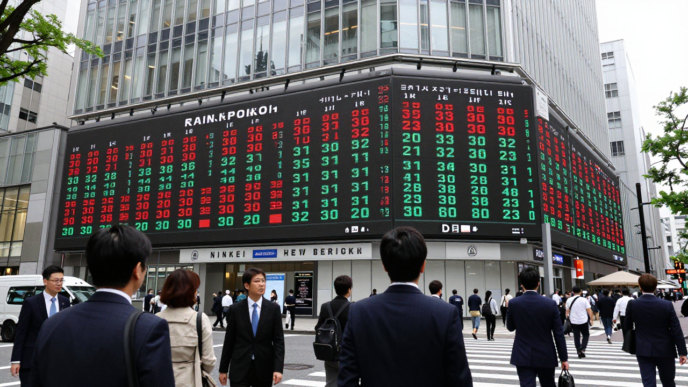
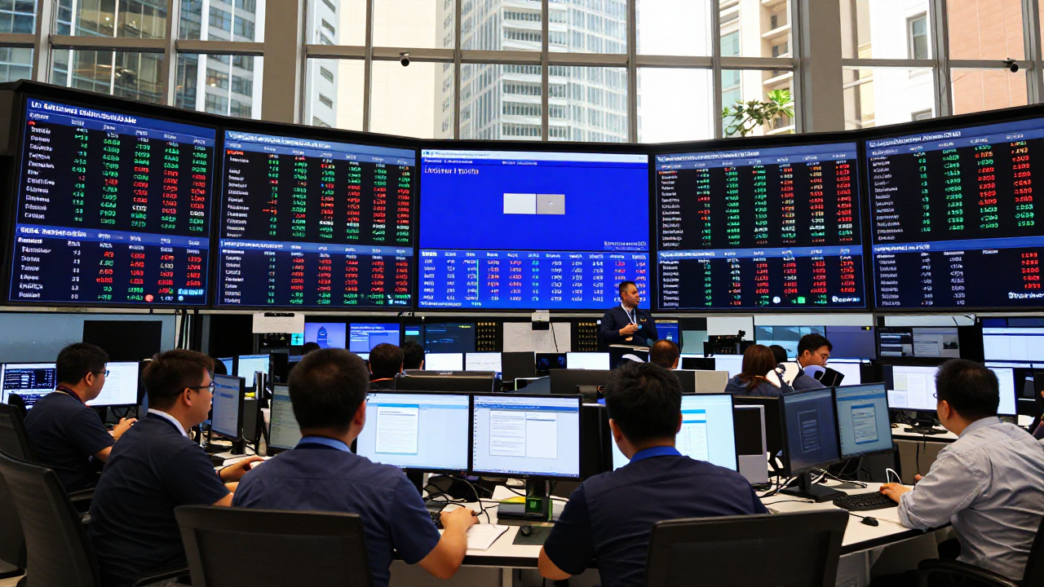
Japan’s Nikkei rose about 2% early in the session, while Australian shares gained 0.5%. MSCI’s broadest index of Asia-Pacific shares outside Japan edged up 0.15%. Trading was thin, with markets in China, South Korea and Australia’s New South Wales closed for holidays, Reuters reported.
U.S. and European equity futures also advanced. Nasdaq futures were up 0.3% and S&P 500 futures rose 0.1%; EUROSTOXX 50 futures gained 0.3% and FTSE futures added 0.4%. The moves followed gains on Wall Street on Friday, which helped set the tone for early Asian trading.
The market response reflects a change in expectations about near-term borrowing costs, rather than a new decision by the Federal Reserve. Investors had sharply increased the likelihood of another hike in the prior week, but the weaker labor-market figures prompted them to reduce those bets. Fed policy remains subject to incoming economic data and the central bank’s assessment of inflation and employment.
Jobs report shifts rate expectations
Reuters reported that September job growth slowed more than economists had expected, while payroll counts for July and August were revised significantly lower. The revisions indicated that the labor market had been weaker than earlier estimates suggested, strengthening the case among traders for the Fed to pause at its upcoming meeting.
Jose Torres, senior economist at Interactive Brokers, pointed to the revisions as a sign of employment risks, saying they had changed the picture of labor-market stability. His comments were a market assessment, not an announcement of Fed policy. The drop in rate-hike probabilities likewise captures futures-market pricing and does not guarantee the central bank’s next move.
Before the employment report, investors had assigned a 64% probability to a rate increase this month, compared with 22% on Monday, Reuters said, citing CME FedWatch. That sharp weekly change helped support equities and weighed on the dollar, but market pricing can move quickly as new data arrive.
Bond yields ease only slightly
U.S. Treasury yields edged lower early Monday, with the 10-year yield at 5.2643% and the two-year yield at 4.8143%, according to Reuters. Yields had initially retreated after the jobs data but finished higher on Friday, as investors continued to allow for further Fed increases in the coming months.
Bond markets also faced pressures beyond the U.S. policy outlook. Reuters cited concerns about government finances, heavy issuance of debt and elevated energy costs as factors weighing on government bonds in major economies. Cedric Lam, a senior investment strategist at Standard Chartered, said trading dynamics may be delaying a decline in yields, referring to forced selling by hedge funds and real-estate investment trusts.
The mixed bond response underscores that softer employment figures did not erase broader concerns about inflation and the supply of government debt. While rate-hike expectations fell, yields stayed close to levels that Reuters described as multi-year highs across major economies.
Dollar slips as investors weigh global policy paths
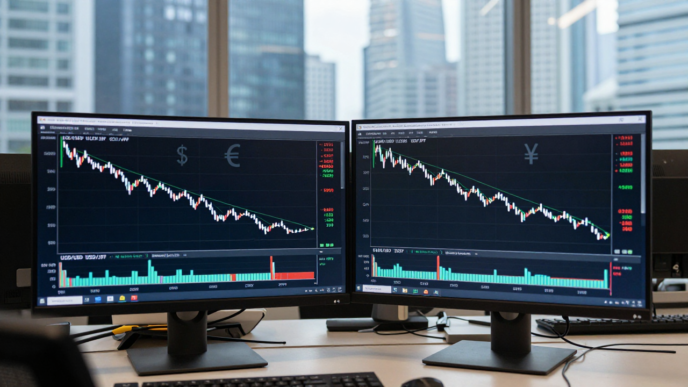
The dollar was under pressure as expectations for a Fed hike receded. The euro recovered from a 17-month low to $1.1243, sterling rose slightly to $1.3241, and the dollar slipped marginally against the yen to 157.81, Reuters reported.
Elias Haddad, global head of markets strategy at BBH, identified the prospect of an October pause and tighter policy elsewhere as headwinds for the U.S. currency. He also noted countervailing support from stronger U.S. growth relative to other economies and foreign demand for U.S. securities.
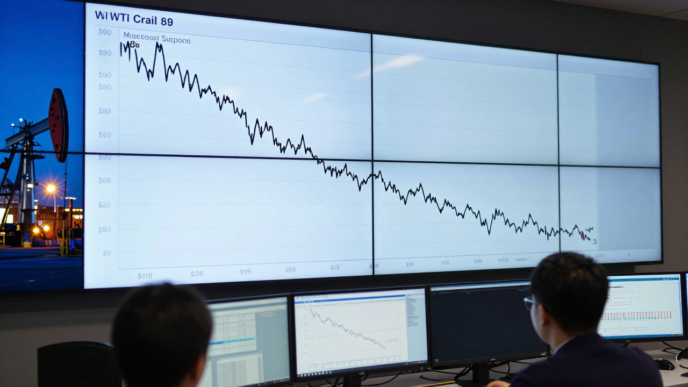
Investors were also monitoring energy markets. Brent crude traded at $102.20 a barrel and U.S. crude at $90.75, with prices remaining elevated after Yemen’s Iran-backed Houthis said they had launched missiles and drones at Saudi Aramco sites in Riyadh and the Khurais area. Reuters reported the claims; the market update did not establish any resulting damage.
The immediate focus is whether further U.S. data reinforce or reverse the labor-market signal. Monday’s trading showed a clear retreat in the market-implied probability of an October hike, but neither the pricing nor the early moves in shares, currencies and bonds settled the Fed’s decision.