

Updated:
Oil prices edged lower in Asian trading on Monday, October 5, as recovering Middle Eastern crude exports and a planned Group of Seven stock release eased immediate supply concerns. The decline was limited by the risk that continued conflict could further damage energy infrastructure or disrupt shipping in the Gulf.
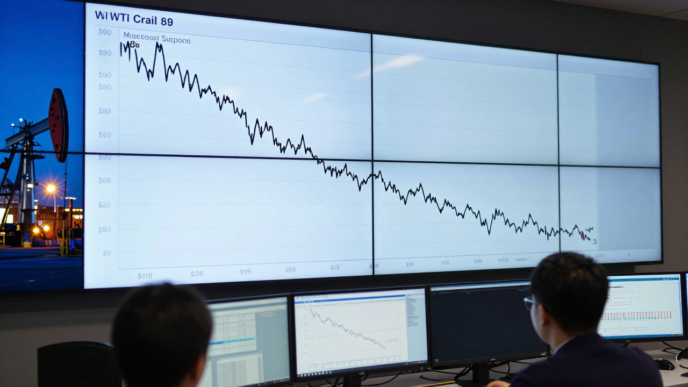
By 0115 GMT, Brent crude futures were down 35 cents, or 0.34%, at $101.90 a barrel, while U.S. West Texas Intermediate fell 62 cents, or 0.68%, to $90.49, according to Reuters. Investing.com reported that, shortly before, December Brent was down 0.7% at $101.58 and November WTI had slipped 1.1% to $90.14, reflecting prices at different times in the session.
Exports briefly moved above pre-war levels
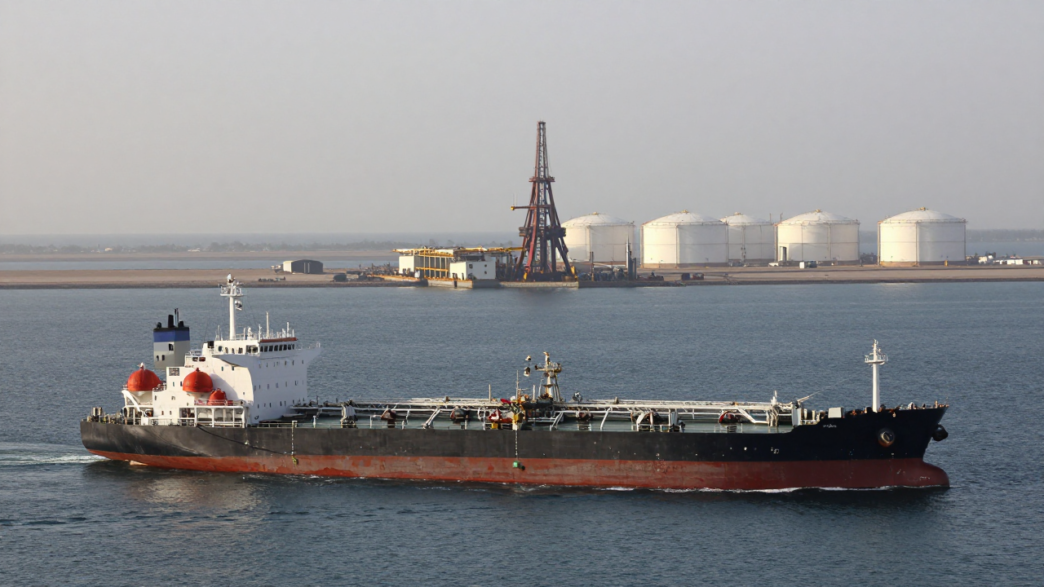
Shipping data cited by Reuters showed Middle Eastern crude exports exceeded pre-war levels on four of the seven days in the final week of September, despite attacks on vessels transiting the Strait of Hormuz. Separate figures from Kpler cited by Investing.com put exports at 19.5 million to 22.5 million barrels per day on September 24 and on September 27–29.
The seven-day average stood at 18.5 million barrels per day on October 1, compared with a pre-war average of 18 million, Investing.com reported. Higher flows through Hormuz and the use of alternative export routes contributed to the rebound, but the figures do not mean the shipping environment has returned to normal: vessel attacks and added route and freight risks remain part of the market picture.
Tim Waterer, chief analyst at KCM Trade, told Reuters that the reserve decision and the perception that Saudi export volumes were approaching pre-war levels had reduced some immediate supply anxiety. He also cautioned that the risks of further damage to Gulf energy infrastructure had not disappeared.
G7 release targets crude and diesel
The G7 agreed on Friday, October 2, to release 100 million barrels of crude and oil products from emergency stocks, with a substantial diesel release planned within 20 days. The group said the rest would be released over four months, according to the Associated Press and S&P Global Commodity Insights.
The commitment is tied to a larger emergency effort initiated in March. S&P reported that G7 members asked the International Energy Agency to monitor implementation of the remaining 100 million barrels from those commitments, after accounting for stocks already delivered. The G7 also pledged not to impose energy export restrictions among members, addressing concern that governments could otherwise limit cross-border fuel supplies as shortages and prices intensified.
Diesel has been a particular focus because tight supplies and elevated prices affect transport, agriculture and other fuel-dependent sectors. The G7 said it would front-load a substantial amount of diesel within 20 days and coordinate refinery maintenance schedules to avoid simultaneous shutdowns. A follow-up report, including recommendations for future responses and stock replenishment, was expected within 20 days of the October 2 statement.
Security risks and Saudi pricing remain in focus
Houthi forces said they had launched missiles and drones at Saudi Aramco facilities in Riyadh and the Khurais area, describing the action as retaliation for Saudi-led strikes in Yemen. Reuters reported that Saudi Arabia had not confirmed the alleged attacks. The claims added to market concern even as crude exports recovered.
Saudi Aramco also cut its November Arab Light official selling price to Asia by $3 a barrel, to a discount of $5 against the Oman-Dubai average, Investing.com reported. That was the widest discount since June 2020, according to the report. The pricing move came amid higher freight costs and was described as an effort to defend market share; it was a company pricing decision, separate from the G7 reserve plan.
OPEC+ holds November targets steady
Seven OPEC+ members—Saudi Arabia, Russia, Iraq, Kuwait, Kazakhstan, Algeria and Oman—agreed Sunday to keep production steady in November, the Associated Press reported. The group was due to review market conditions again on November 1.
Reuters separately reported that OPEC+ had delayed a review of the production quotas that would determine members’ 2027 targets. Sources close to the matter cited uncertainty over future production capacity after the war disrupted expansion projects in the Middle East. The decision leaves the immediate November target unchanged while longer-term output planning remains unsettled.
For oil traders, Monday’s decline reflected additional supply expected from both recovering exports and strategic stock releases, not an end to the region’s supply risks. Prices remained above $100 for Brent in early trading, and attacks on shipping and energy sites underscored how quickly the balance could shift. The timing and country-by-country composition of the G7 deliveries, and whether improved Gulf export flows can be sustained, remained key unknowns.