

Updated:
Ukraine is seeking $56 billion to cover its funding gap this year as Russian strikes disrupt industry, transport and exports, while the cost of fighting rises. The shortfall includes $27 billion in military spending, according to a Reuters report published Monday, October 5, citing Ukrainian officials and budget data.
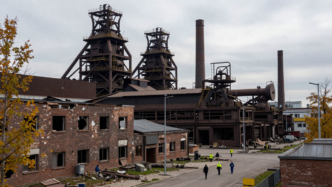
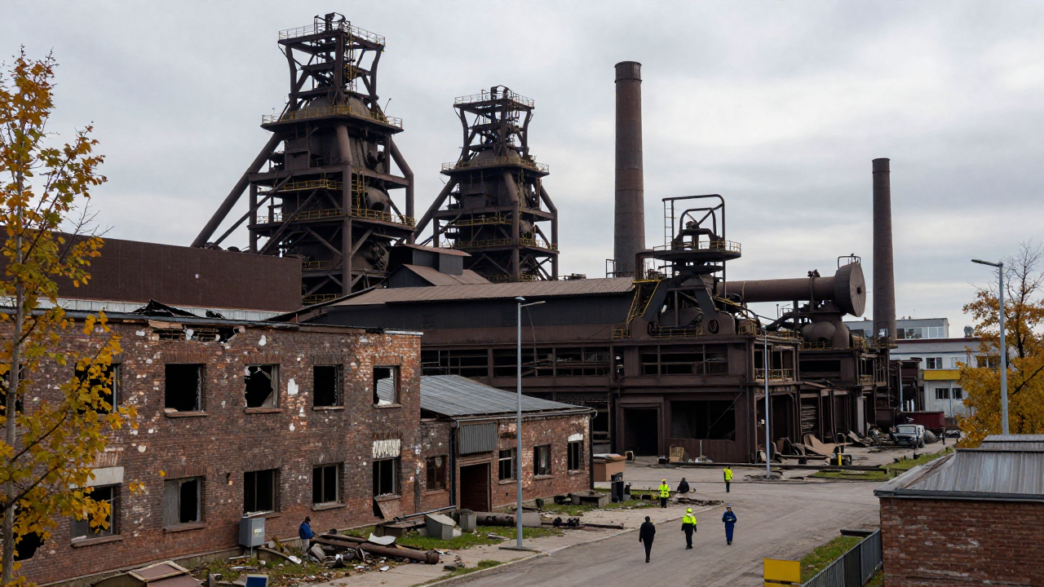
The squeeze is visible in Kryvyi Rih, President Volodymyr Zelenskiy’s hometown, where Russian missile strikes last month halted operations at ArcelorMittal’s mining and steel complex, the city’s largest employer. Mayor Oleksandr Vilkul said the city of about 600,000 was focused on keeping hospitals open, schools and kindergartens lit, and buses running.
The funding challenge combines delayed foreign support with weaker domestic receipts and growing defense costs. Ukraine and the European Commission said they had identified funds to meet this year’s needs, but bringing forward payments from a €90 billion European Union loan could leave a larger financing burden next year, Reuters reported, citing people familiar with the discussions.
Industrial damage adds pressure to public finances
Russian drone and missile attacks intensified over the summer, damaging factories and warehouses, ports and railways, and prompting businesses to close temporarily. Those disruptions have slowed economic growth and reduced tax collection, while strikes on Kryvyi Rih’s industrial facilities have halted production at a major source of employment and output.
Ukraine’s steel industry accounted for about one-tenth of national economic output before the war, Reuters reported. Mills in Zaporizhzhia and other industrial centers have also gone quiet, and steel exports have stopped. The damage compounds the effect of earlier attacks on infrastructure and supply routes.
The government estimates that Russian attacks cost the budget more than 49.5 billion hryvnias, or about $1.1 billion, in tax revenue during the first nine months of 2026. Officials said cumulative losses could reach 70 billion hryvnias by year-end. Economist Oleksandra Myronenko of the Centre for Economic Strategy described the revenue shortfall as structural, arriving as spending needs increase.
Military costs are rising as tax income lags
Ukraine spent more than $44 billion on defense in the first nine months of the year, according to data cited by Reuters, while tax revenue over the same period was about $42 billion. The defense figure does not include military assistance provided directly by allies in equipment and other support.
Roksolana Pidlasa, head of parliament’s budget committee, said the estimated daily cost of fighting had risen to $190 million from $140 million two years earlier. Costs include weapons, a larger army payroll and support for families of soldiers who have died or been disabled. The requirement for medium- and long-range weapons is also adding expense as Ukraine seeks capabilities that can strike Russian oil refineries and military factories.
Some businesses are delaying investment as risks rise. Vasyl Khmelnytskyi, who founded an industrial park near Kyiv, said he had abandoned plans for three factories. Ukraine’s agricultural exporters are also under pressure: September grain exports fell 36.6% from a year earlier after Russian attacks on Black Sea ports. Economy Minister Oleksandr Kravchenko said about $40 billion in export revenue was at risk this year because of the blockade.
Economists expect the economy to grow by between 0.5% and 1.5% in 2026, down from 1.8% in 2025, despite tens of billions of euros in outside support, according to the Reuters report. The slower outlook matters for the budget because it constrains the domestic revenue base at the same time that military and social obligations remain substantial.
Reforms hold up some foreign financing
Ukraine has received nearly $200 billion in foreign support since Russia’s full-scale invasion in 2022, helping maintain financial stability during more than four years of fighting. But Prime Minister Sergii Koretskyi said $29.5 billion in aid was at risk this year because legislation required by international partners had not passed. The outstanding measures include tax reforms and anti-corruption legislation.
The government has frozen non-essential spending, including reconstruction projects, to prioritize military needs, public-sector salaries and pensions. It also postponed about $900 million in capital spending until December while awaiting passage of the required measures. Koretskyi said the government aims to complete the legislation by October 15 so that the associated financing can be released.
In Brussels last week, Ukrainian officials and European partners discussed advancing disbursements under the EU’s €90 billion loan that are scheduled for next year. The European Commission and Ukraine said they had identified funds to cover the current-year gap. However, three people familiar with the talks told Reuters that acceleration could increase next year’s budget pressure, while elections in France and Poland could affect political support for Kyiv.
Next year’s budget gap remains unresolved
Ukraine’s proposed defense budget for next year is a record $110 billion, excluding direct military aid. Finance Minister Sergii Marchenko has put the unfunded gap in next year’s budget at more than $32 billion. The government’s immediate financing plan, therefore, does not resolve the longer-term question of how to sustain military spending and public services.
Marchenko has proposed using frozen Russian assets in Europe as part of the answer. EU countries have immobilized about €210 billion in Russian central bank assets since the invasion. The report did not establish that the assets had been allocated to Ukraine’s budget, or specify when any such financing might become available.
For now, Kyiv is relying on domestic cuts, delayed expenditure and negotiations with partners while seeking passage of reforms tied to aid. The government has identified a target date of October 15 for completing the legislation; the timing and terms of accelerated EU payments, and how the larger 2027 shortfall will be covered, remain unresolved.