



Updated:
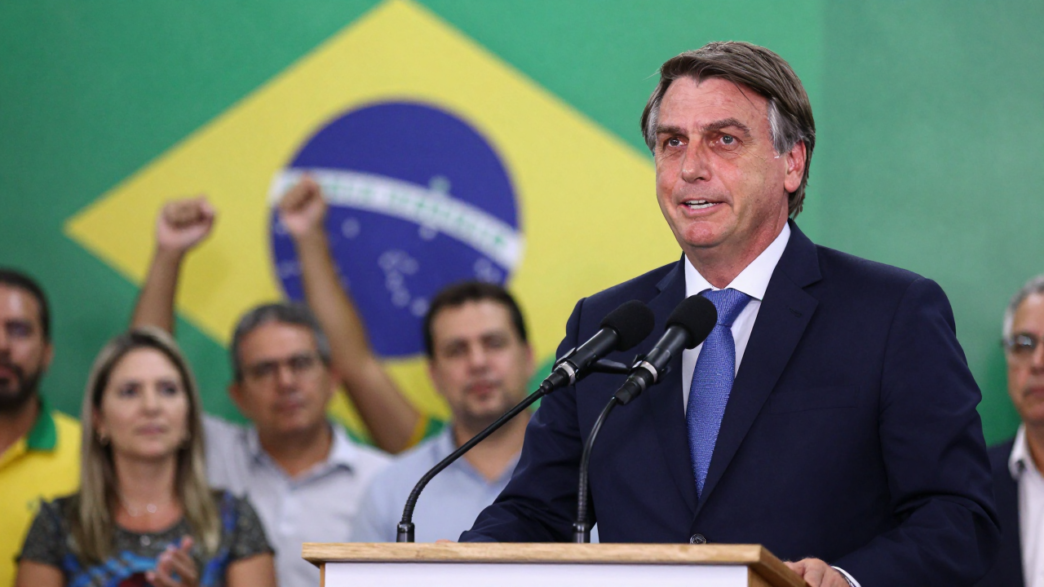
Brazilian financial markets were expected to rise on Monday, October 5, after right-wing Senator Flávio Bolsonaro finished ahead of President Luiz Inácio Lula da Silva in the first round of the presidential election. Bolsonaro won about 47% of the vote to Lula’s roughly 45%, outperforming polls that had generally expected the incumbent to lead. The two now face a runoff scheduled for October 25.
Investors and analysts told Reuters they expected the result to support Brazilian stocks and the real, reflecting hopes for a change in economic policy and tighter control of public spending. But their comments described an anticipated market reaction, not a settled assessment of Bolsonaro’s economic program or the eventual election outcome. Several said investors would look for evidence of credible fiscal plans, while warning that the first-round result does not determine the runoff.
Poll-beating result shifts market expectations
Bolsonaro’s first-place finish marked a sharp contrast with pre-election polling, which had pointed to Lula leading the first round. The result brought the senator, son of former president Jair Bolsonaro, into the runoff against Lula, who is seeking another term after leading a field of 12 candidates.
Pedro Galdi, an investment analyst at AGF Investments, told Reuters that markets wanted political change and reform, citing concern about Brazil’s public deficit. He expected Brazilian shares to rise and the real to strengthen against the U.S. dollar. The election campaign had focused in part on living costs, corruption, crime and insecurity, issues with direct relevance to investor confidence and household finances.
The reaction echoed market moves after Jair Bolsonaro exceeded expectations in the first round of the 2022 election. Reuters reported that the real strengthened by more than 4% against the dollar and the Bovespa benchmark index rose 5.5% the following day. That precedent offered investors a comparison, but not a guarantee of a repeat: the candidates, campaign and market conditions differ, and the 2026 contest still has a second round to come.
Analysts forecast a rally, with varying estimates
Ivo Chermont, chief economist at Quantitas, told Reuters he saw potential for a broad rally across Brazilian assets. He estimated that the dollar could fall by 2% to 4%, equities could rise by 4% to 6%, and nominal and inflation-adjusted interest rates could tighten significantly. These were forecasts about a possible immediate response, rather than reported final trading results.
Other market participants also described the result as supportive. Thierry Larose, a portfolio manager at Vontobel, expected a strong rise across Brazilian assets and said markets could give Bolsonaro the benefit of the doubt if he quickly presented a credible fiscal adjustment plan. Viktor Szabo, an emerging-market debt portfolio manager at Aberdeen, likewise characterized the result as positive for markets and relayed expectations among sellers of a 4% to 5% move in the currency and a 7% to 8% rise in equities.
Those projections differed in scale and market focus, underscoring that the reported reaction was a collection of investor expectations rather than a single consensus target. They also depended on the assumption that a Bolsonaro victory would improve the prospects for fiscal restraint or reform—an assumption that participants said would need to be tested against his policy proposals and ability to deliver them.
Fiscal policy remains the test for investors
Jeff Grills, head of emerging-market debt at Aegon Asset Management, urged caution about drawing conclusions from the first round, noting that voter intentions are difficult to predict. He said a Bolsonaro victory could make fiscal restrictions more likely, while warning that expectations of Lula moving toward the political center after winning might not hold in this election.
Thomas Haugaard of Janus Henderson Investors said the immediate interpretation was favorable to Brazilian assets because investors saw a greater possibility of fiscal consolidation and structural reform. He stressed, however, that medium-term confidence would depend on actual policy execution rather than campaign signals. The distinction matters because investors’ optimism about a potential change in direction does not establish what spending rules, reforms or budget measures a future administration would enact.
Gustavo Medeiros, global macro research head at Ashmore Group, said the runoff was not certain even though the arithmetic favored Bolsonaro. He also noted that a Bolsonaro presidency would inherit a divided country and that the senator lacks executive-branch experience. The prospect of a sharp market response therefore sits alongside questions about governing capacity, institutional tensions and the details of any fiscal program.
Runoff sets the next political and market catalyst
Reuters reported that Graham Stock, a senior sovereign strategist at RBC BlueBay, considered Bolsonaro the clear favorite after the first round. Stock pointed to the potential transfer of votes from eliminated candidates and to right-wing strength in state and congressional contests, while cautioning that the incoming Congress might not prioritize fiscal conservatism. He said it could instead focus on issues involving the Supreme Court and Jair Bolsonaro’s imprisonment.
The second round is scheduled for October 25. Until then, investors will have to assess campaign developments and whether Bolsonaro provides concrete economic proposals; the reporting did not establish a definitive policy program or guarantee the markets’ forecast moves. For now, the result has raised expectations of a rally, while fiscal credibility, the runoff result and the ability to govern remain unresolved.