


Updated:
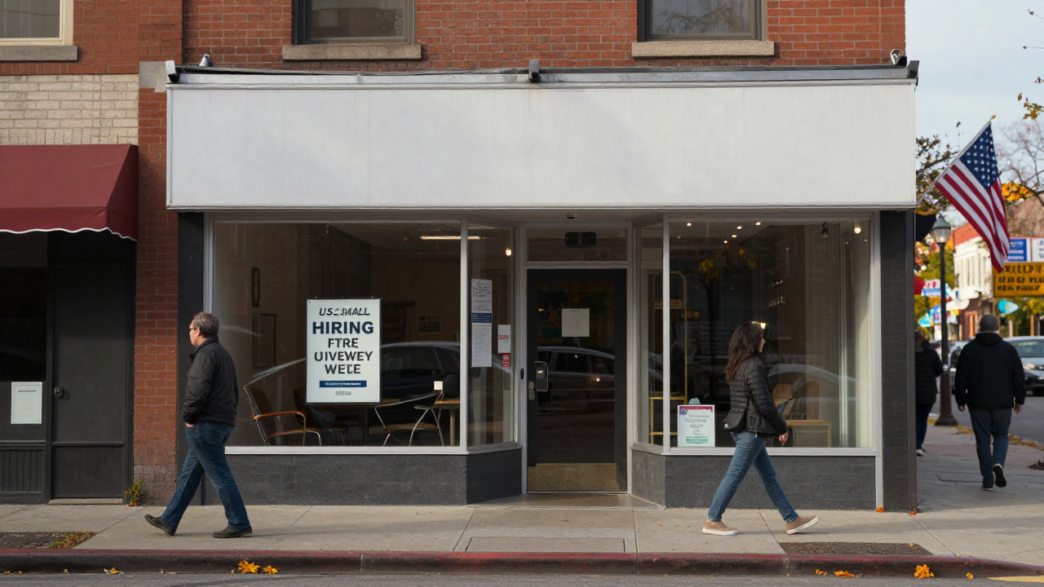
The U.S. unemployment rate stood at 4.2% in September, a low level by historical standards, but employers added just 29,000 jobs, leaving the labor market with little of the rapid hiring and worker mobility seen after the pandemic. The latest government jobs report, released October 2, was the final monthly employment scorecard scheduled before voters cast ballots in the November 3 midterm elections.
The combination complicates the economic picture facing President Donald Trump and Republicans. Low unemployment suggests many people who want jobs are working, yet slow hiring, modest wage gains and persistent concern about living costs can leave workers and jobseekers feeling less secure than the headline rate implies. Recent polling cited by Reuters has shown voters giving Trump and Republicans poor marks for their handling of the economy.
A low unemployment rate, but weaker hiring
The Bureau of Labor Statistics said nonfarm payroll employment increased by 29,000 in September and the unemployment rate was 4.2%, little changed from August. The result was well below economists’ expectations of roughly 90,000 jobs, according to the Associated Press. The Labor Department also revised combined July and August payroll growth down by 60,000.
Average hourly earnings rose 3% from a year earlier, the slowest annual increase since May 2021, AP reported. That nominal gain does not by itself show whether workers are getting ahead: the cost of living also matters, and Reuters reported that recent growth in inflation-adjusted, after-tax income has been modest and below 2%.
The weak hiring figure does not mean the economy has stopped creating jobs. AP reported employers added an average of 68,000 jobs a month so far in 2026, an improvement on the particularly weak 2025 pace. But the report illustrates how a labor market can retain a relatively low jobless rate while offering fewer openings and less opportunity to move to a better-paid position.
Fewer layoffs, fewer opportunities to move
Reuters described a shift away from the post-pandemic period when companies competed aggressively for workers and employees could more readily switch jobs for higher pay. Employers have been slow to lay people off, but hiring has also cooled, while workers are less likely to quit for another position.
That pattern is reflected in household sentiment. The Conference Board’s September survey found fewer people saying jobs were plentiful and more saying work was hard to find; its Consumer Confidence Index fell to a 12-year low, Reuters reported. Separately, AP cited a survey in which more than 28% of respondents expected fewer jobs to be available in six months, about twice the share expecting more.
AP also reported that the unemployment rate rose partly as 485,000 people entered the workforce, not all of whom immediately found work. That detail underscores why the headline unemployment rate alone does not capture the experience of people trying to get hired, even as it remains a widely watched measure of labor-market conditions.
Demographic change reshapes the employment picture
The size of the workforce is also under pressure from longer-term forces. Reuters pointed to an aging population, low birth rates and tighter immigration rules as factors limiting labor-force growth. The number of people working or looking for work had not returned to its November 2025 record of 171.5 million, the report said, despite some increases in recent months.
A smaller or slower-growing labor force changes how much job creation may be needed to keep unemployment steady. Wilmington Trust chief economist Luke Tilley told AP that the break-even pace could be far below the roughly 150,000 monthly jobs often associated with earlier years, potentially even zero in current conditions. That is an estimate, not a guarantee that weak payroll growth carries no risk: the figure depends on how the labor force and employment evolve.
Manufacturing gains remain limited
Manufacturing is another test of the administration’s jobs agenda. Trump campaigned on tariffs and deregulation as ways to expand factory employment, but Reuters reported that U.S. manufacturing employment, despite modest recent growth, totaled 12.6 million—about 21,000 below the level when he took office in January 2025.
The sector’s longer history also sets limits on what a short-term policy shift can show. Manufacturing employment peaked at about 19.5 million in mid-1979 and has declined over decades, with productivity growth among the factors behind the change, according to Reuters. September’s addition of 9,000 manufacturing jobs, reported by AP, was a monthly gain but did not reverse the broader comparison.
Election and Federal Reserve decisions ahead
The November 3 election will determine whether Republicans retain full control of Congress. The jobs report arrives as voters weigh employment alongside the cost of living, and AP reported that a recent AP-NORC poll found only 17% of U.S. adults approved of Trump’s handling of living costs while 26% approved of his handling of the economy.
The report may also affect the Federal Reserve’s deliberations. AP said the weaker hiring data could reinforce the case for leaving the central bank’s key interest rate unchanged at its next meeting, though inflation has remained above the Fed’s 2% target for more than five years. The jobs figures do not settle that decision; policymakers must weigh employment conditions against persistent price pressures.