

Updated:
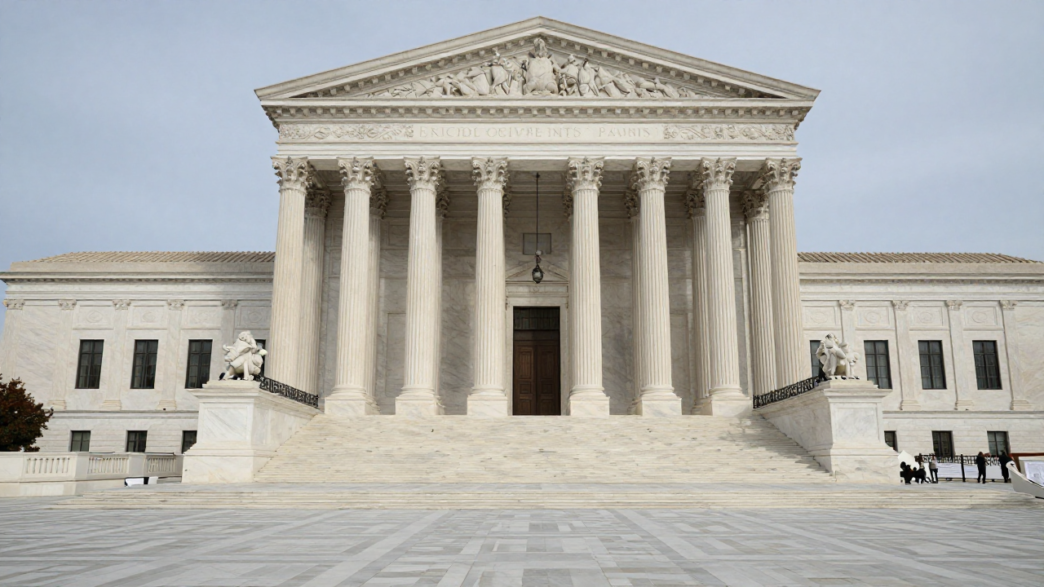
The U.S. Supreme Court heard arguments on Monday, October 5, in ExxonMobil and Suncor Energy’s effort to stop a climate lawsuit brought by the city and county of Boulder, Colorado. The local governments are seeking damages for climate-related costs, and the companies want the case dismissed before it proceeds in state court.
The dispute could affect dozens of similar lawsuits filed by state and local governments against fossil fuel companies. The justices’ ruling is expected by the end of June, according to Reuters. It remains undecided whether Boulder’s claims may continue; the case before the court concerns whether they can proceed in state court, not a final determination of the companies’ liability.
Boulder’s claims and the companies’ response
Boulder first sued ExxonMobil and Suncor in 2018, alleging the companies violated Colorado law by misleading the public about fossil fuels’ contribution to climate change. The city and county seek unspecified compensation for costs associated with climate impacts, including infrastructure repairs, environmental damage, emergency management and public-health harms.
ExxonMobil, based in the United States, and Canada-based Suncor appealed after the Colorado Supreme Court allowed the lawsuit to proceed. They argue that the claims intrude on federal authority over air pollution and conflict with the Clean Air Act, which gives the federal government a central role in regulating emissions.
The companies and their supporters also contend that state lawsuits are an unsuitable way to address a global problem, and that allowing local claims over emissions and conduct beyond state borders could give individual states excessive regulatory reach. The Trump administration has backed the companies, arguing that federal authority to regulate air pollution precludes Boulder’s claims.
A ruling with wider implications
Nearly 60 state and local governments have brought comparable lawsuits, seeking billions of dollars from fossil fuel companies, Reuters reported. A decision for ExxonMobil and Suncor could lead to many of those cases being dismissed; a decision allowing Boulder’s case to continue would leave the merits of its allegations to be addressed in further proceedings.
The lawsuits commonly seek to make energy companies pay for local costs attributed to climate change, while the companies argue that emissions and their effects cannot be addressed through a patchwork of state-court cases. The Supreme Court’s decision may therefore shape where these disputes can be heard and whether they can proceed, without itself resolving the underlying scientific or factual allegations in each lawsuit.
Local damages at the center of the case
The lawsuit predates the 2021 Marshall Fire, which destroyed homes in Boulder County and was considered to have been influenced by climate change. The fire caused an estimated $2 billion in damage, according to the Associated Press, and became the costliest wildfire in Colorado history. That disaster was not the basis for the original 2018 filing, but it illustrates the kinds of local losses officials say they want the companies to help cover.
Boulder’s position is that it seeks compensation for costs within Colorado, rather than authority to regulate emissions elsewhere. The companies and the federal government characterize such claims as an attempt to use state litigation to impose emissions policy beyond state boundaries. The justices must consider those competing arguments within the limits of the appeal before them.
Recusal leaves eight justices hearing the appeal
Justice Samuel Alito recused himself from the case. Reuters reported that he owns shares in several oil and gas companies, though not ExxonMobil or Suncor. The recusal means eight justices are participating, leaving open the possibility of a tied decision.
The Associated Press reported that the court is also considering whether it has jurisdiction to hear the appeal at this stage, a procedural question that could affect how the case proceeds. The court’s eventual ruling, expected by the end of June, will determine the next legal step for Boulder’s case; Monday’s arguments did not settle whether the companies owe damages.