

Updated:
U.S. households that heat primarily with natural gas or propane are expected to spend less on energy this winter than last, while those relying on electricity or heating oil face higher bills, according to the Energy Information Administration’s 2026–27 Winter Fuels Outlook released Tuesday, October 6. The divergent outlook reflects differences in fuel prices and regional weather assumptions, with heating-oil users facing the steepest projected increase.
The EIA estimates that natural-gas-heated homes will spend an average of $640 from November through March, down 9% from last winter. Households primarily using propane are forecast to spend $1,246, a 3% decrease. By contrast, the agency projects average winter expenditures of $1,196 for electricity-heated homes, up 4%, and $2,115 for heating-oil homes, up 21%.
The estimates concern a household’s main space-heating fuel and include the agency’s modeled winter consumption and fuel costs. The EIA cautions that actual expenses vary with home size and efficiency, heating equipment, household energy use and weather; its averages are not direct comparisons of what the same home would pay using different fuels.
Gas inventories help hold down projected costs
Natural gas supplies are expected to provide a relative cushion. The EIA forecasts inventories will enter the heating season 2% above the previous five-year average, while strong production growth is expected to restrain price increases even as U.S. liquefied natural gas exports rise.
For households using gas as their main heating fuel, the EIA projects an average retail price of $13.44 per thousand cubic feet this winter, 9% below last winter. It expects average household consumption to remain flat, leaving lower fuel prices as the main reason for the projected decline in bills. Natural gas is the most widely used residential heating fuel; Census Bureau data cited in the outlook show it was the primary space-heating source in 46% of U.S. homes in 2024.
Propane users are also forecast to see a modest reduction in spending. The EIA puts the national average propane price at $2.52 per gallon, 2% below last winter, and projects consumption to fall 1%. Regional results vary: the agency expects a 15% drop in propane expenditures in the Northeast, while its forecast is flat in the South and down 4% in the Midwest.
Heating oil faces the sharpest increase
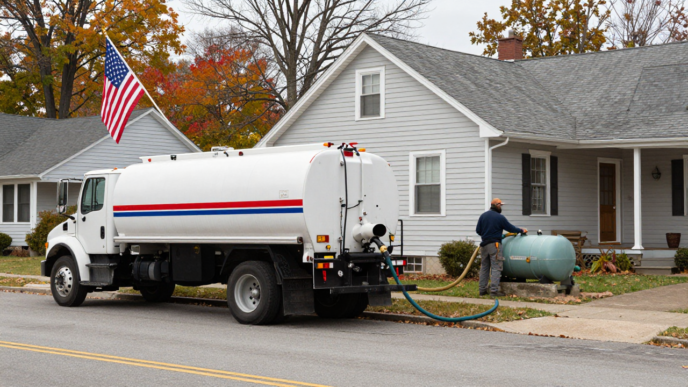
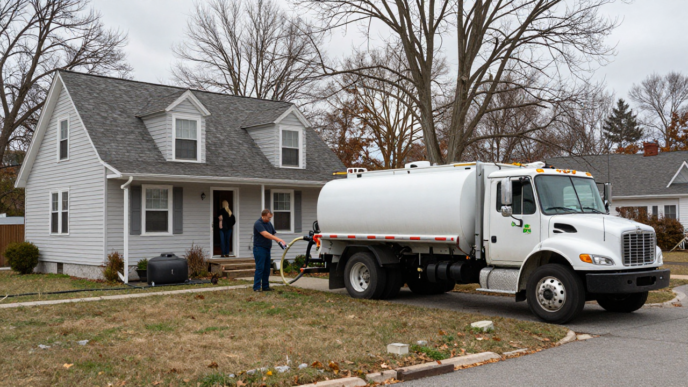
Heating oil, used as the primary heating fuel by about 3% of U.S. households, mostly in the Northeast, is the cost outlier. The EIA forecasts average winter expenditures of $2,115 per household, up 21%, even as consumption falls 9%. Its projected average heating-oil price is $5.26 per gallon, 34% higher than last winter.
The EIA links the price pressure to tight distillate markets. Heating oil is part of the distillate fuel category, which also includes diesel. The agency says reduced global refining activity has lowered distillate production, lifting international prices and increasing costs for U.S. imports as demand for U.S. exports rises. East Coast distillate inventories were 32% below their five-year seasonal average in September and are forecast to remain 20% to 30% below average through winter.
Milder weather in the Northeast is expected to partly offset higher prices by reducing heating demand. EIA Administrator Tristan Abbey said relatively high natural-gas inventories provide a cushion, while heating-oil users face higher prices because distillate markets remain tight.
Electricity costs also rise, with regional differences
For homes that rely primarily on electricity for heat, the EIA projects a 4% increase in average winter expenditures, to $1,196. The forecast combines a 3% rise in residential electricity prices with a 1% increase in household consumption. The West has the largest projected increase in electricity spending, at 9%, as the agency expects colder weather there than last winter.
The outlook separates electricity used for space heating from other household uses, and the heating share of total electric consumption is smaller in regions with milder winters, particularly the South. The EIA’s figures cover all uses of a home’s main heating fuel, not just space heating; for electricity, the agency adjusts its calculations to exclude air-conditioning use.
Weather could change the forecast
The EIA expects national winter temperatures to be broadly similar to last winter and the previous 10-winter average, but its regional assumptions differ. It forecasts warmer conditions in the Northeast after a relatively cold winter last year and much colder weather in the West after an unusually warm winter. Midwest and Southern temperatures are assumed to be similar to last year.
A strong El Niño pattern could produce weather outcomes that depart from those assumptions and alter heating demand and household expenditures. The outlook includes alternative cases that are 10% colder or warmer than its baseline, underscoring that the figures are forecasts rather than guaranteed bills.
The EIA said it will update the Winter Fuels Outlook alongside subsequent Short-Term Energy Outlook releases through the winter. Its October estimates use price and weather forecasts from the October 2026 edition of that report, and the agency notes that its calculations do not account for heating oil or propane bought in advance or under contracts with prices set before winter begins.