

Updated:
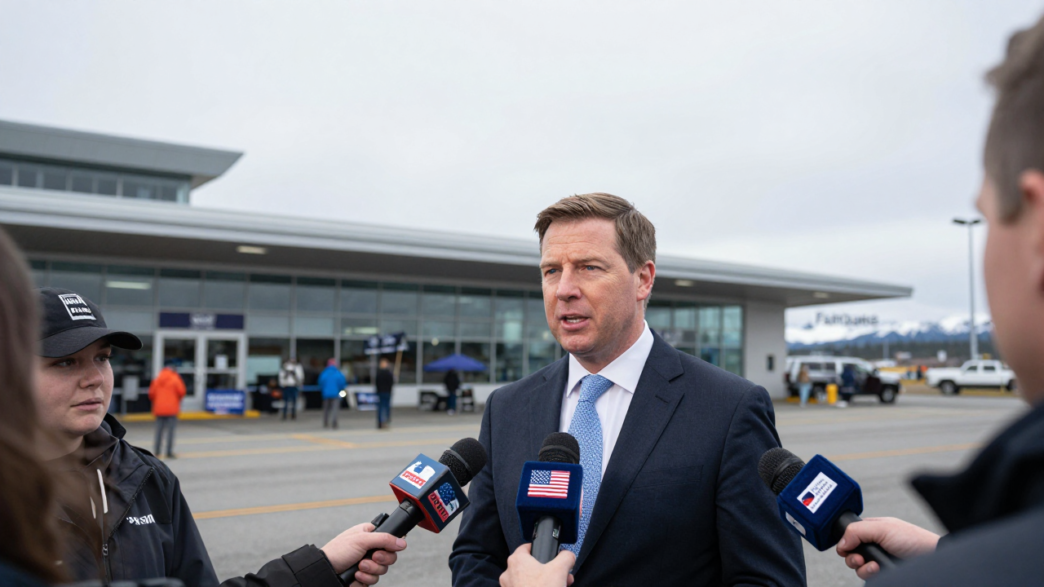
U.S. Vice President JD Vance said Iran must make a meaningful, concrete reduction in its nuclear-enrichment capacity for Washington to agree to end the countries’ seven-month war. In an interview with Reuters in Fairbanks, Alaska, published October 6, he said a promise of future reductions would not meet the U.S. demand.
Vance’s position sets nuclear concessions as a threshold issue in negotiations that have also focused on ending the fighting and reopening the Strait of Hormuz, a major energy-shipping route. The conflict has disrupted global energy markets, while higher energy costs and the war’s reported $3 billion monthly price tag have become political issues for President Donald Trump and Republicans ahead of November’s midterm elections.
Washington wants a reduction, not a future pledge
Vance argued that Iran’s enrichment capability itself must be reduced, pointing to the country’s production of uranium enriched to 60%. He said the United States would not treat assurances as a substitute for action, while leaving the scale and technical terms of an acceptable reduction unspecified.
The vice president said the administration remained open to an agreement, but described a tangible nuclear concession as necessary. Reuters reported that the United States and Iran had exchanged proposals in recent weeks intended to end the war and reopen the Strait of Hormuz; President Trump had rejected Tehran’s latest offer.
Vance also said Trump had warned military operations could intensify after the midterm elections. The interview did not establish a date for any next negotiating round, or disclose a U.S. counterproposal or a detailed framework for measuring an Iranian reduction.
Dispute over who can decide in Tehran
Vance said Washington was uncertain about Iran’s internal decision-making and how much authority Iranian President Masoud Pezeshkian and Foreign Minister Abbas Araqchi hold in negotiations. He linked that uncertainty to the killing of Supreme Leader Ayatollah Ali Khamenei in joint U.S.-Israeli strikes at the start of the war.
Iranian Foreign Ministry spokesperson Esmaeil Baghaei disputed the U.S. characterization. Speaking at a weekly press conference on Sunday, he said U.S. officials knew their Iranian counterparts and understood Iran’s decision-making system; he blamed contradictory statements from American officials for confusion instead.
The difference matters to any prospective agreement: Vance’s account raises questions about whether the officials engaged in talks can secure and deliver Tehran’s commitments, while Iran’s response rejects that premise. The interview provided no independent resolution of the competing claims.
Hormuz and energy costs remain part of the negotiations
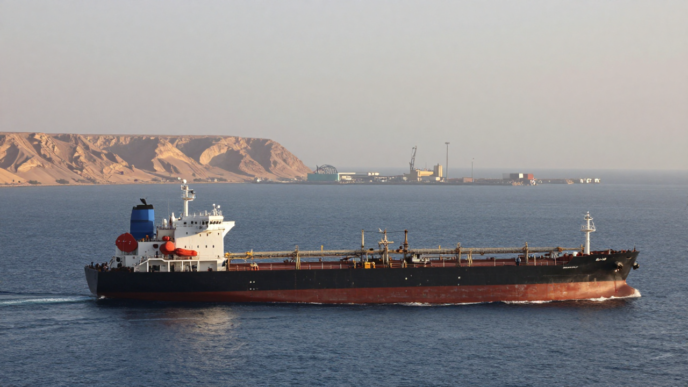
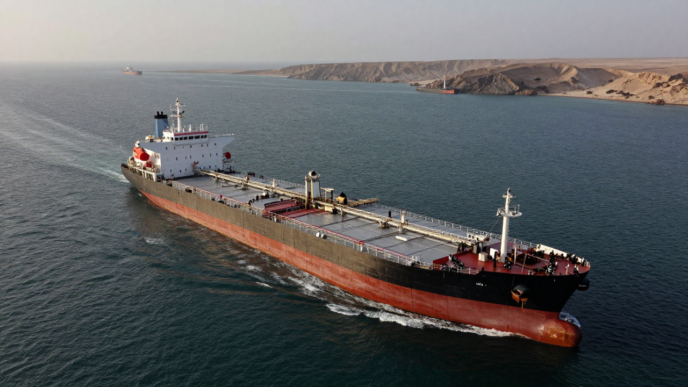
The Strait of Hormuz is central to the diplomatic proposals because it is a vital route for energy shipping. Vance said Iranian forces could periodically strike commercial vessels but were largely unable to prevent energy exports through the waterway. He also said he had spoken with field commanders to assess battlefield conditions and dismissed concerns about critical munitions shortages.
Those comments describe the administration’s assessment, not an independently verified account of shipping security or military inventories. Reuters’ report did not provide figures for current traffic through the strait or quantify the war’s effect on energy prices beyond noting that higher costs had become a political pressure point.
Vance’s role and the unresolved next steps
Vance has taken part in efforts to negotiate a settlement, but declined to say whether he was leading the peace talks. He said the administration was involved and that Trump was directing the U.S. approach. Reuters reported that Vance had previously brokered a provisional peace agreement that quickly fell apart.
As of the interview, no completed agreement or agreed schedule for further talks had been announced in the reporting. The central outstanding issues include the size and verification of any enrichment reduction, the reopening of Hormuz, and whether negotiators on both sides can secure decisions from their governments.
The dispute also carries domestic political stakes. Vance made the remarks after a campaign trip in Alaska, where he rallied for Republican Senator Dan Sullivan, who is seeking reelection against Democrat Mary Peltola. He focused on affordability and energy at the event as the administration faced criticism over the war and its costs.