

Updated:
Russia told the World Health Organization on Tuesday, October 6, that no plague cases had been recorded in the Siberian city of Irkutsk after a worker at a regional plague research institute died following an illness diagnosed as pneumonia of unknown origin. Russian authorities also said they had identified the deceased woman’s contacts and that testing found no dangerous infectious pathogens among them.
The update addresses concerns raised by unconfirmed reports that the 28-year-old laboratory technician may have died of pneumonic plague. Russian officials have not publicly confirmed that diagnosis: the country’s health watchdog, Rospotrebnadzor, previously said extensive tests found no microorganisms linked to the woman’s work. The cause of death remains unclear in the public statements reported so far.
Russia’s report to the WHO
WHO spokesperson Christian Lindmeier said at a Geneva briefing that Russian authorities reported no plague cases in Irkutsk in their official response to the agency. The response followed a WHO request and came within the 24-hour timeframe described in the report by Investing.com, which cited Reuters.
According to the WHO-relayed account, Russia said it had traced all people who had contact with the woman and that their test results for dangerous infectious pathogens were negative. The Associated Press separately reported that Russian authorities said medical monitoring of all identified contacts had concluded, while the epidemiological situation remained under observation.
The finding is limited to the cases and tests reported by authorities; it does not establish publicly what caused the woman’s illness. No additional plague cases were reported in the WHO briefing, and Russian officials had not announced a confirmed plague diagnosis for the deceased worker.
How the investigation began
The woman worked at the Irkutsk Anti-Plague Research Institute of Siberia and the Far East, a facility that studies dangerous pathogens. She died at a hospital in Shelekhov, a town outside Irkutsk, after developing severe pneumonia. Local reports and public statements described the illness as having an unknown cause.
Rospotrebnadzor said on Sunday that extensive testing found no microorganisms associated with the employee’s professional activities and that investigators had not identified an incident involving pathogenic microorganisms at the institute. The agency also said some contacts tested positive for common respiratory infections, including a virus associated with the common cold and COVID-19; it did not identify those results as plague infections.
Speculation about pneumonic plague circulated in local media, but that account has not been confirmed by the Russian health authorities cited in the reports. The distinction matters: the official statements establish that an investigation and contact monitoring took place, not that plague caused the death.
Precautions and public-health assessment
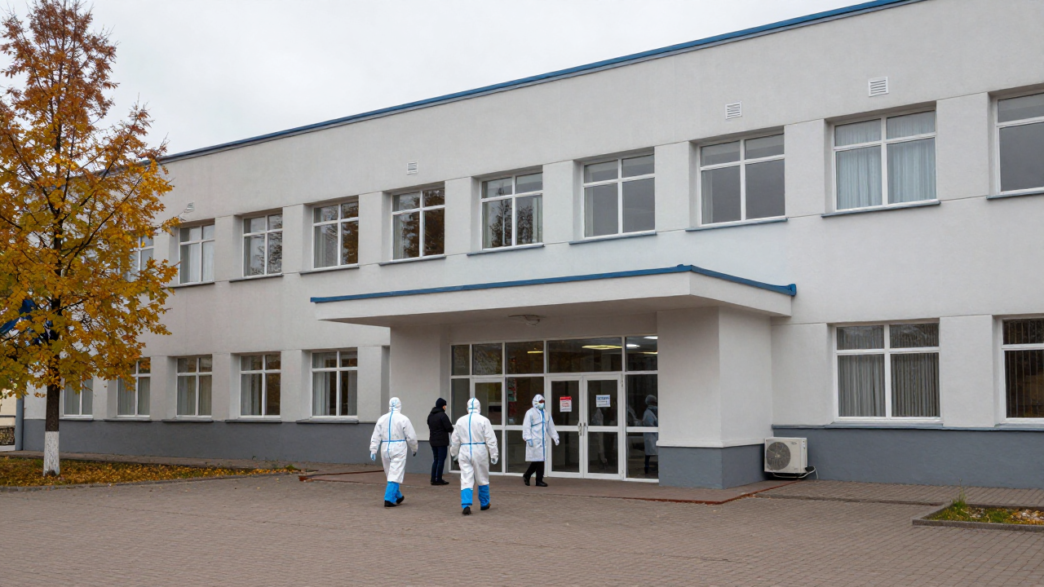
Authorities took precautionary steps while investigating. The mayor of Shelekhov said the hospital where the woman died was placed under quarantine, with admissions and discharges suspended and its laboratory pausing routine tests, while its outpatient clinic continued operating. Russia’s public-health watchdog chief, Anna Popova, traveled to the region on Friday to meet with local officials.
The WHO said its initial assessment put the risk at moderate-to-low for Irkutsk, low for Russia overall and very low for the WHO European region. The agency said it was in contact with Russian authorities, but had not been asked to send experts to the country. WHO specialists were reviewing the situation from its offices in Geneva and Copenhagen.
Pneumonic plague is a severe, less common form of plague that affects the lungs and can spread between people through respiratory particles. The WHO has said that prompt treatment is important; however, the available reports do not establish that the woman had plague or that any of her contacts were infected with it.
What remains unknown
Russian authorities have reported that contact monitoring has concluded, while the epidemiological situation remains under observation. The public information available does not specify the final cause of the woman’s pneumonia, provide further details of the diagnostic tests, or describe any timetable for releasing additional findings.
The WHO’s next steps will depend on information from Russian officials; the agency said it had not been asked to deploy experts. For now, the confirmed development is the Russian report of no recorded plague cases in Irkutsk and negative pathogen tests among identified contacts—not a definitive public explanation of the laboratory worker’s death.