

Updated:
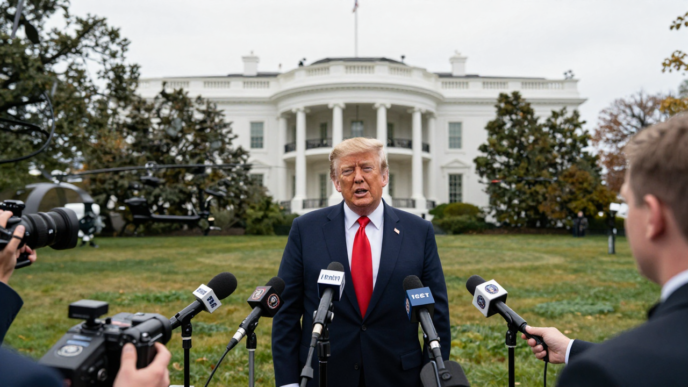
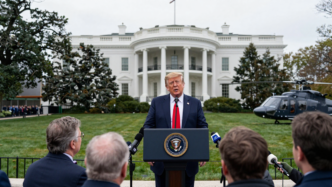
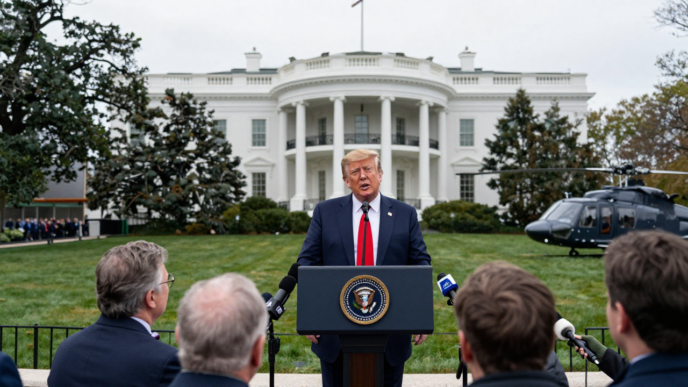
President Donald Trump said on Tuesday, October 6, that his administration was considering suspending the federal gasoline tax, reviving a proposal he first raised in May as fuel costs remain high ahead of the November midterm elections. Asked whether the tax should be suspended, Trump said his administration was “thinking about that,” according to Reuters.
The remark signals renewed interest in a potential consumer-relief measure, but does not amount to a formal proposal or decision. Congress would need to approve a suspension; the president cannot suspend the federal tax on his own. Trump did not outline a legislative plan or say when lawmakers might consider one.
Congress would have to approve a suspension
The federal excise tax is 18.4 cents per gallon on gasoline and 24.4 cents per gallon on diesel, according to reporting by The Guardian and Axios. The gasoline levy is a portion of the pump price rather than a mechanism that determines the underlying cost of fuel. A suspension would reduce the federal tax component, but would not remove state and local fuel taxes.
The federal fuel taxes support transportation programs. The Guardian reported that the levies generate more than $23 billion annually for highways and public transit, making the proposal consequential beyond the immediate effect at the pump. A suspension would raise questions about how to replace that revenue or manage the impact on transportation funding.
Fuel costs remain a political concern
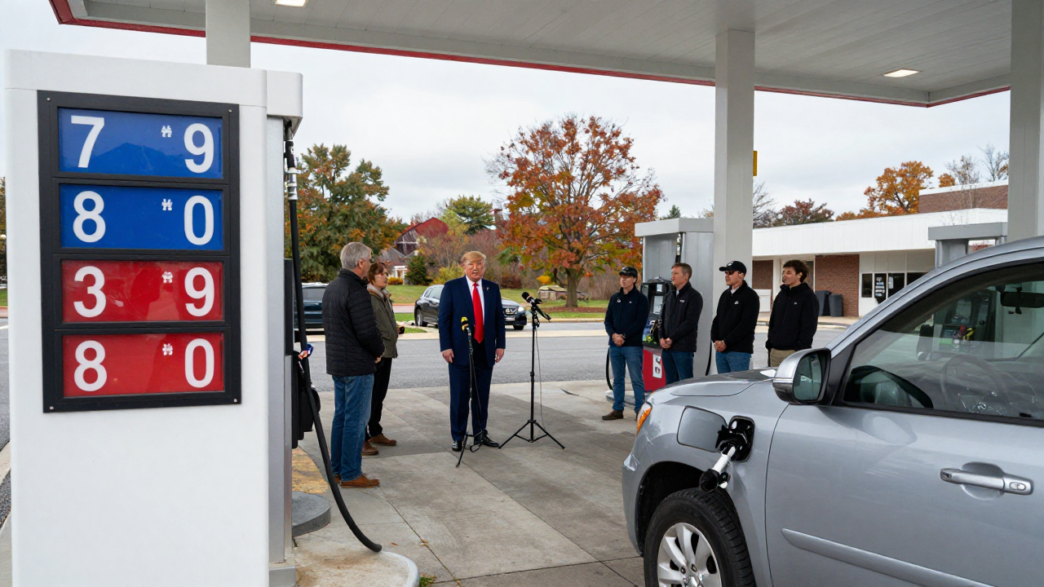
The announcement came as rising fuel prices weigh on household budgets and feature in political debate before the November 2026 elections. The Guardian reported that the national average for regular gasoline was $4.3685 a gallon on Tuesday, citing AAA, and more than a dollar above its level a year earlier.
Trump linked his comments to the wider fuel-price situation, saying prices were coming down and that oil would fall further after the war ended. He did not provide a date for the war’s end. His remarks offered no specific explanation of how a tax suspension might affect fuel prices or how soon consumers could see any change.
In a separate Axios report published October 5, the outlet described states pursuing tax pauses and other measures as fuel costs persisted. Its coverage noted that federal lawmakers had introduced or pressed for legislation, but that Washington had not coalesced around a solution. State actions do not themselves alter the federal tax.
A proposal raised before, with no new timetable
Trump first raised suspending the federal gas tax in May, as fuel prices surged amid the Iran war. The October 6 comment returned to the idea but did not specify a duration, start date, or whether the administration would formally ask Congress to act.
Axios reported that several states had suspended, lowered or delayed increases to their fuel taxes during 2026. Those state-level steps provide a broader backdrop to the federal discussion, but their tax rates and policies are separate from the national levy. The outlet also noted concerns that tax relief could reduce transportation funding.
What happens next remains unclear
Trump said he expected Republicans to perform well in the midterms and credited his rallies with changing the political environment, The Guardian reported. He did not say how a gas-tax bill would move through Congress or identify lawmakers involved in negotiations.
As of Tuesday, no federal suspension had been announced, and no congressional timetable was provided in the reporting. The immediate next step, if the administration chooses to pursue the idea, would be to seek congressional action; until then, the existing federal fuel taxes remain in place.