

Updated:
Samsung Electronics forecast third-quarter operating profit of 107.4 trillion won ($80.17 billion), a 782.5% increase from a year earlier, as demand for memory used in artificial-intelligence infrastructure lifted sales and prices. The South Korean company’s preliminary results, released on October 8, also put revenue at 195 trillion won, up 126.6% year over year.
The profit estimate was slightly above the 106.1 trillion won consensus compiled by LSEG, according to Reuters. Samsung said the figures are preliminary, prepared under international financial reporting standards before the quarter’s accounts are finalized. The company is scheduled to publish its detailed results, including performance by business division, on October 29.
Memory demand drives record preliminary result
The forecast marks Samsung’s fourth consecutive quarter of record operating profit, Reuters reported. The company’s official release confirmed the consolidated revenue and operating-profit estimates and the year-over-year growth rates; it did not provide a breakdown of earnings by segment.
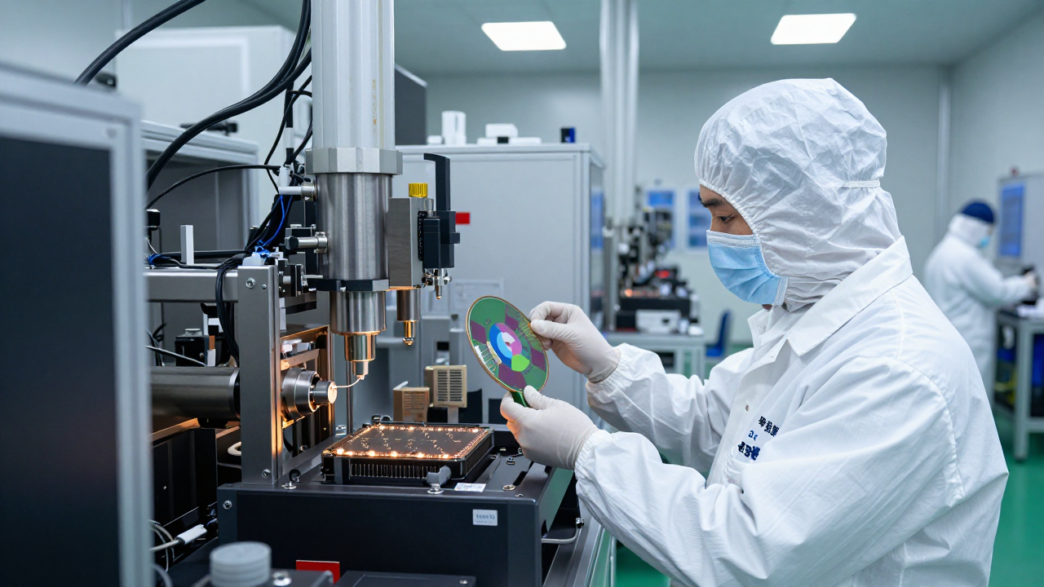
Memory chips are expected to account for most of the improvement, according to analysts cited by Reuters. High-bandwidth memory, or HBM, is used alongside advanced processors in AI systems, while demand for conventional DRAM and NAND has also strengthened. Tight supply and rising prices across memory products have increased the earnings contribution from Samsung’s semiconductor business.
Analyst Douglas Kim estimated that Samsung’s HBM bit shipments rose close to 50% quarter over quarter in the third quarter, Reuters reported. That estimate reflects the company’s effort to narrow its position gap with SK Hynix in HBM; it is not a figure Samsung included in its preliminary earnings release.
Chip boom lifts sector but raises cost pressure
Samsung’s results arrive amid a broader expansion in AI-related investment, which has increased demand for data-center components. Reuters reported that the growing imbalance between memory supply and demand had pushed chip prices higher, benefiting Samsung, SK Hynix and Micron. The companies expect tight conditions to continue into 2028, although Chinese competition and the possibility of slower AI spending pose risks to the longer-term outlook, Reuters said.
The same pricing environment can weigh on Samsung’s businesses that buy memory rather than sell it. Reuters reported that higher component costs were pressuring the smartphone and consumer-electronics operations. Analysts cited in the report estimated that Samsung’s mobile business recorded a loss of more than $1 billion in the quarter, while the contract chipmaking business was expected to remain loss-making amid fixed costs and low utilization.
These segment assessments are analyst estimates, not confirmed results from Samsung. The company’s full October 29 release is expected to provide the first detailed view of how the semiconductor gains compared with performance in mobile, consumer electronics and foundry operations.
Investors weigh earnings against sustainability
The preliminary profit estimate exceeded the LSEG consensus, but Reuters reported that investors remained focused on whether the rapid earnings growth can last. Samsung shares had fallen more than 25% from a record high in June, according to the report, amid questions about the durability of the AI-driven upswing. The company’s preliminary release did not include a forecast for future earnings.
Analysts also pointed to the South Korean won’s appreciation as a factor affecting forecasts: a stronger local currency can reduce the won value of overseas sales denominated in dollars. Reuters reported expectations for slower sequential profit growth in the fourth quarter, as memory-price increases moderate. TrendForce projected conventional DRAM contract prices would rise 10% to 15% in that quarter from the previous one, below the roughly 60% increase reported for the second quarter.
Full accounts due October 29
Samsung’s October 8 announcement is a preliminary estimate rather than a complete earnings report. The company said final accounting was still in progress and described the early release as information provided for investors’ convenience. The detailed results are due October 29, when investors will be able to assess the contribution from each business and compare the reported figures with the preliminary totals.
Reuters also reported that investors were watching for details of Samsung’s shareholder-return policy during the earnings call later in October. The company had not announced those details in its preliminary results. Until the full release, segment-level profit figures and the precise division of the quarter’s gains remain unconfirmed.