

Updated:
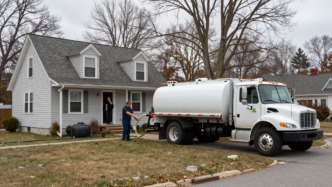
Democratic lawmakers from northeastern states urged Energy Secretary Chris Wright to take steps to reduce heating oil costs, blaming the increases on President Donald Trump’s war with Iran and administration policies. In a letter dated Monday and seen by Reuters, the group, led by Massachusetts Senator Elizabeth Warren, said heating oil prices were about 60% above pre-conflict levels and that households could pay roughly $600 more to heat their homes this winter.
The appeal comes as households prepare for colder weather and the November midterm elections approach. Heating oil and diesel are made from the same refining stream, so tight diesel supplies and higher prices for the fuel can also raise heating costs. The lawmakers asked the administration to support ending the Iran conflict, restore energy assistance and reverse cuts to clean-energy and grid programs.
Oil-dependent homes face higher winter bills
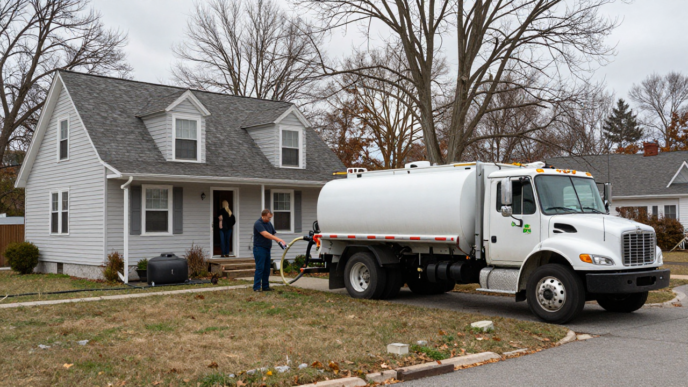
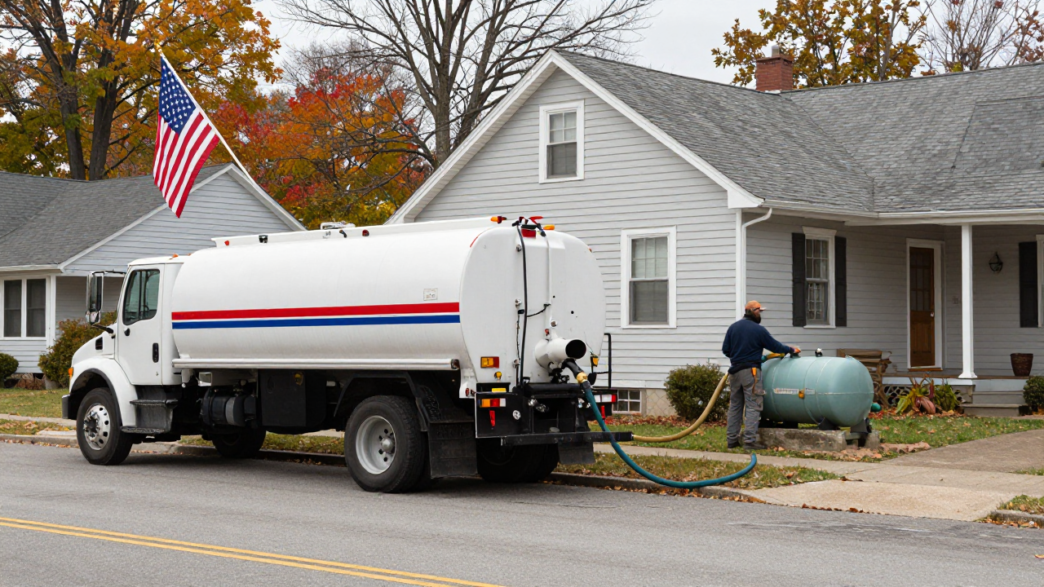
Heating oil is used by about one-third of homes in New England, with the share reaching roughly half in some states, Reuters reported. Nationally, oil-heated homes account for about 3% of U.S. households and are concentrated mainly in the Northeast, according to the Energy Information Administration’s October 6 winter outlook.
The EIA forecast that heating-oil prices would be more than 30% higher than last winter and that household expenditures on the fuel would increase 21% on average. The agency said a milder winter forecast for the Northeast would partly offset the price increase. Its projection is a separate estimate from the lawmakers’ roughly $600 figure, which they cited in their letter; the two estimates use different measures and should not be treated as directly interchangeable.
The EIA’s assessment highlights how the same fuel-price shock can affect households unevenly. While oil-heated homes face the largest projected increase in spending among the major heating-fuel groups, the agency expected lower average winter expenditures for households primarily using natural gas or propane.
Diesel measures form part of the administration response
The letter landed as the administration pursued measures to increase diesel availability. President Trump signed an executive order on Monday expanding access to tax-exempt red-dyed diesel, allowing buyers to purchase the fuel without federal highway taxes regardless of its intended use, Reuters reported.
Officials have also pressed European allies to release emergency diesel stocks and raised the possibility of a U.S. diesel export ban. Separately, G7 countries agreed last week to release 100 million barrels of crude oil and diesel from reserves. Reuters reported that diesel prices had climbed above $6 a gallon as the administration sought to bolster supplies ahead of winter.
The lawmakers pointed to the closure of the Strait of Hormuz, low fuel inventories and strong exports as contributing factors behind higher diesel and heating-oil prices. Those were the lawmakers’ stated explanations in the letter; the report did not quantify how much each factor had contributed to household heating costs.
Regional reserve has been used once
Republican Senator Susan Collins and independent Senator Angus King, both of Maine, have separately urged Trump to draw on the Northeast Home Heating Oil Reserve. Reuters said the reserve holds about 1 million barrels and had not been used since Hurricane Sandy in 2012.
The Department of Energy describes the reserve as a supply buffer intended to help the commercial market respond to interruptions. DOE records say it was reduced to 1 million barrels of ultra-low-sulfur distillate, stored in New England, in 2011–12. The agency’s history identifies the reserve’s first emergency use as the 2012 storm response.
The lawmakers’ call for action did not establish that the reserve would be released, or set out a timetable for any drawdown. DOE did not immediately respond to Reuters’ request for comment, and the report did not identify a specific administration decision on the lawmakers’ broader requests.
Energy prices add to election pressure
The letter raises the political stakes of winter heating costs in a region where oil heat is common. Reuters noted that the issue intersects with two competitive Senate contests: Collins is seeking reelection in Maine, while New Hampshire’s open seat is being contested by Democrat Chris Pappas and Republican John Sununu.
For now, the verified next steps remain uncertain. The administration’s actions on red-dyed diesel and international reserves are under way, but no response from Wright to the lawmakers’ letter had been reported. Whether officials will release the Northeast reserve, restore energy assistance or change clean-energy and grid programs also remained unresolved.