

Updated:
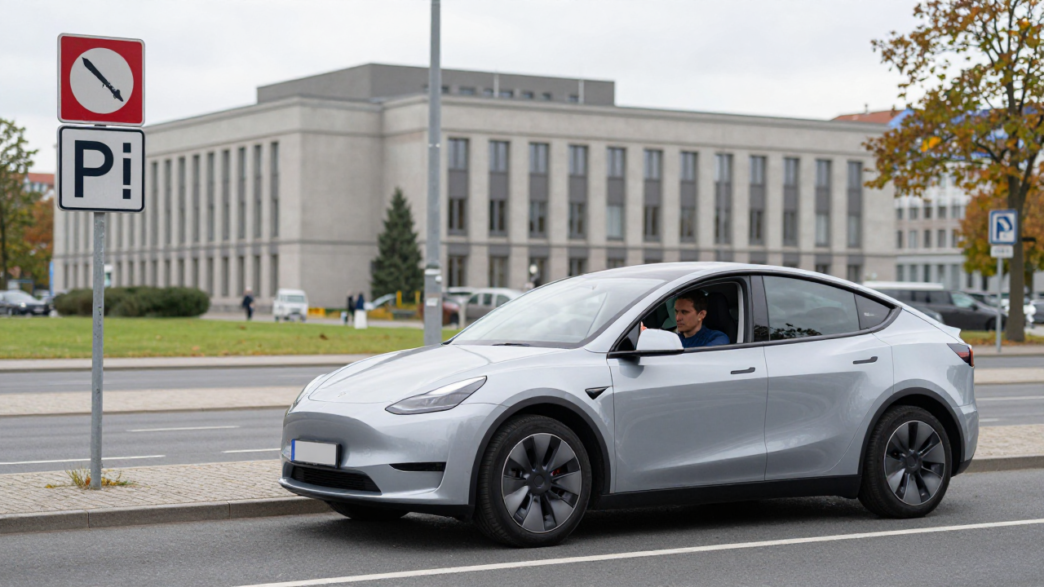
Tesla CEO Elon Musk welcomed Germany’s support for moving the company’s driver-assistance system toward EU-wide approval, after German Transport Minister Steffen Bilger said Berlin would advocate for the process to advance. The announcement, made on October 6 and reported by Reuters on October 7, follows discussions between Tesla and the ministry in September on technical issues and liability.
The German position is a boost for Tesla’s campaign, but it does not amount to EU-wide authorization. The system, currently marketed as Full Self-Driving (Supervised), still faces scrutiny over functions including its ability to exceed posted speed limits. Regulators and safety advocates in several countries have raised concerns, and an EU vote expected in October has been postponed until at least December, according to Reuters.
Germany signals support, with conditions still in focus
In its October 6 statement, Germany’s transport ministry said Bilger was seeking timely approval across the bloc. It described the product as a driver-assistance system that can help with acceleration, braking and steering, rather than a system that takes over the full driving task.
The ministry said Tesla had offered to rename the product “Tesla Assisted Driving,” addressing concerns that “Full Self-Driving” could give a misleading impression of its capabilities. The ministry also emphasized that drivers remain responsible for safe vehicle operation and must stay attentive.
Speed limits remain a point of contention
Germany and Tesla agreed that the system may exceed the posted maximum speed by up to 10%, according to the ministry. Berlin said it would support this approach in the European process, while noting that system functions and liability had been examined during discussions.
That position does not resolve broader objections. Reuters reported that safety advocates and some regulators want Tesla to remove its speed-offset function before approval. The Netherlands-approved European version retains a function that can raise the vehicle’s maximum speed to as much as 50% above the detected limit, although some features available in the United States were excluded.
EU-wide approval remains uncertain
The Netherlands and Belgium are among the European countries that have supported the technology, Reuters reported. Sweden and France have voiced concerns, including about speed-limit compliance, while some countries are conducting further tests.
The next EU decision is not imminent: a vote anticipated for October has been pushed back to at least December. Germany’s backing may strengthen Tesla’s case, but the available announcements do not establish that other member states have changed their positions or that the system will receive approval at the next vote.
Tesla’s commercial interest in Europe
Tesla has described approval as important to expanding the system’s availability in Europe. Reuters reported that the company is seeking to regain market share in the region amid competition from Chinese electric-vehicle makers; its first European factory is outside Berlin.
Reuters also reported that safety researchers have challenged claims about the system’s benefits. Experts who reviewed Tesla’s methodology for the news agency said the company’s study did not demonstrate its central claim that the technology saves lives. The ministry’s statement, meanwhile, framed its support as conditional on resolving technical and liability matters while retaining driver responsibility.
Musk responded to Bilger’s support on X with a brief message of thanks. The immediate next step remains the continued EU approval process; the timing and outcome are unresolved, and Germany’s endorsement alone does not authorize use throughout the bloc.