


Updated:
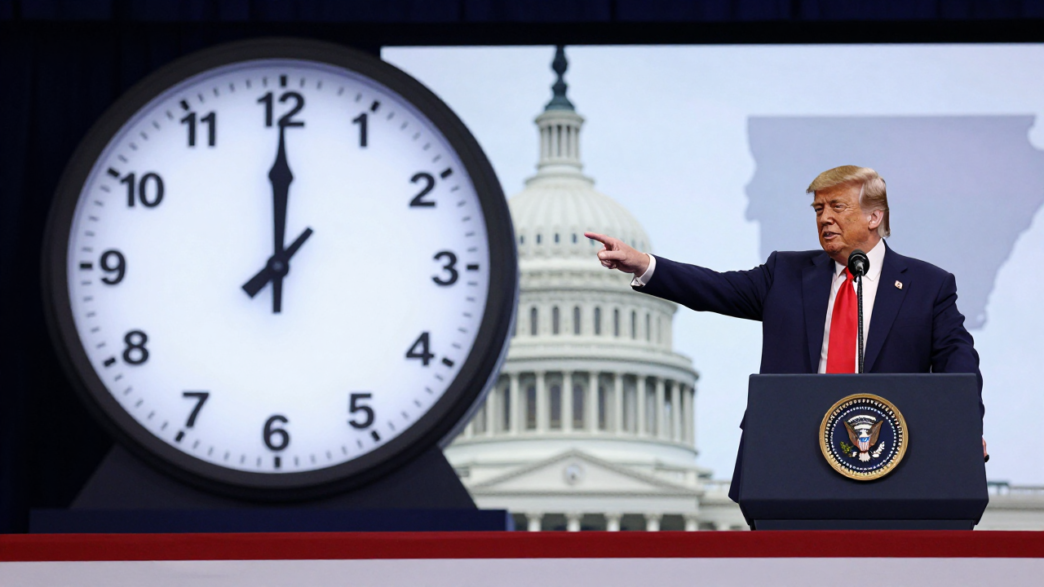
President Donald Trump escalated his dispute with Republican Sen. Tom Cotton of Arkansas on Saturday, urging Arkansans to contact the senator over legislation that would make daylight saving time permanent. Trump shared a number he described as Cotton’s cellphone number; the Associated Press reported that its call to the number went unanswered and the voicemail box was full, while Reuters said the voicemail greeting did not identify Cotton.
The confrontation centers on the Sunshine Protection Act, which would end the twice-yearly clock changes and keep the country on daylight saving time year-round. The House passed the measure in July, but it has not cleared the Senate. The Senate was not scheduled to return until after the November midterm elections, according to reporting published Saturday, leaving no immediate vote on the calendar.
Trump presses for Senate action
In his social media post, Trump argued that the bill should pass with bipartisan support and accused Cotton of holding it up. He urged people in Arkansas to tell the senator to support the measure, presenting longer evening daylight as a benefit for golfers, tennis players, hunters and farmers, as well as the public more broadly.
Trump also cited a letter from PGA Tour chief executive Brian Rolapp supporting the change, saying tournaments need more afternoon daylight to finish. The arguments reflect one of the bill’s main appeals: moving daylight into the evening, when many people are active, rather than leaving more of it in the early morning.
But the number Trump posted was not listed among Cotton’s official Senate office contacts, and the available reporting did not independently establish that it was Cotton’s personal line. The Associated Press said no one answered its call and the mailbox was full; Reuters reported that the voicemail did not name the senator. Neither news organization reported a response from Cotton’s office to the episode by Saturday.
Cotton cites darker winter mornings
Cotton has opposed keeping daylight saving time year-round, arguing that the later winter sunrise would leave children waiting for school buses and workers traveling in darkness. In a Senate speech last October, he said he would continue to oppose the change and warned that winter mornings would become darker for millions of people.
Cotton is not the only Republican senator resisting the proposal. Louisiana Sen. John Kennedy called the bill effectively dead this week and said he did not expect Senate Majority Leader John Thune to schedule it for a vote, Reuters reported. The House vote therefore has not resolved the central obstacle: senators must take up and pass the legislation before it can become law.
Legislative history leaves the next step uncertain
The Senate approved a permanent daylight-saving measure in 2022, but it stalled in the House. The latest House passage, in July, revived the effort, though Saturday’s reports did not identify a scheduled Senate vote or a negotiated path to one. With senators not due back until after the midterms, the proposal’s near-term prospects remain unclear.
Under the current system, most states move clocks forward in spring and back in fall; some states and territories do not observe daylight saving time. The Sunshine Protection Act would make the seasonal change permanent, while allowing states to opt out under the bill’s terms. Clocks are scheduled to return to standard time on November 1 this year, Reuters reported.
Public preferences are not uniform. An Associated Press-NORC poll conducted in 2025 found that 47% of U.S. adults opposed the current system requiring most states to change clocks twice a year, 40% were neutral and 12% favored it. That result measures views on the existing system, rather than establishing that respondents support permanent daylight saving time over permanent standard time.
A familiar tactic in a party dispute
Trump’s move recalls a 2015 clash with then-Sen. Lindsey Graham, a Republican from South Carolina. During his first presidential campaign, Trump released Graham’s personal phone number after the senator criticized him. Graham later became one of Trump’s prominent allies in Congress.
The latest dispute puts pressure on a fellow Republican over a policy question, but the immediate legislative outcome is unchanged: the House has passed the bill, the Senate has not, and a vote has not been announced. Cotton’s office and Thune’s office did not immediately respond to requests for comment, Reuters reported.